Wondering if slimmer cheeks and a crisper jawline are possible without going under the knife? Buccal fat removal without surgery explores non-invasive options to enhance facial definition while avoiding traditional plastic surgery. This guide shows what’s realistic, who benefits, and how to pursue cheek reduction surgery results with modern approaches.
From targeted skincare habits to device-based therapies, today’s innovations make it possible to refine facial contours with minimal downtime. We’ll explain what actually works, when small changes can make a noticeable difference, and where surgical approaches may still offer the most impactful results. By the end, you’ll understand which path aligns best with your goals, timeline, and comfort level—so you can make confident, informed decisions about your facial aesthetics.

Buccal Fat Removal Without Surgery: Is It Possible?
Buccal fat removal without surgery is not fully possible. The buccal fat pads are deep, genetically determined fat compartments that cannot be directly eliminated through non-surgical methods.
However, several non-surgical approaches can reduce cheek fullness and create results similar to buccal fat removal without surgery by improving facial definition and reducing surrounding fat. These treatments and strategies don’t remove the buccal fat pads themselves but can mimic the results of buccal fat removal by improving facial definition and reducing surrounding fat.
Best Non-Surgical Alternatives to Buccal Fat Removal
Not everyone is ready for surgery, and that’s where modern aesthetic treatment paths come in. Advances in technology now offer non-surgical options designed to refine cheek contours and reduce fullness without incisions or lengthy recovery. These approaches can be appealing for those seeking subtle, natural enhancements while maintaining flexibility in their overall care plan.
Dermal Fillers
Facial fillers can enhance facial structure to create a more defined and contoured appearance. By adding volume to areas like the cheekbones or jawline, fillers can reduce the visual prominence of fuller cheeks and improve overall balance. While they don’t remove fat cells directly, pairing fillers with Kybella (injection lipolysis) can target small fat deposits. Together, these methods refine contour without surgery.
Coolsculpting
CoolSculpting is a non-invasive treatment that uses cryolipolysis to target and reduce fat cells in areas such as the lower cheeks and under the chin. While it does not remove buccal fat pads directly, it can reduce surrounding fat and create a slimmer facial appearance similar to buccal fat removal without surgery. Results develop gradually as the body eliminates treated fat cells over time.
Facetite Treatment
FaceTite is a minimally invasive treatment that uses radiofrequency energy to reduce fat and tighten skin beneath the cheeks. While it is not completely non-invasive, it offers a middle ground between surgery and non-surgical treatments. FaceTite can reduce lower cheek fullness and improve contour, helping achieve results similar to buccal fat removal with less downtime.
SculpSure
SculpSure is a non-invasive laser treatment that targets and reduces fat in areas like the cheeks and chin. Although it does not remove buccal fat pads directly, it can decrease surrounding fat and enhance facial definition, helping create a slimmer appearance similar to buccal fat removal without surgery.

Philadelphia’s Premier Double Board Certified Facial Plastic Surgeon & Rhinoplasty Specialist.
Dr. Lozada is a facial sculpting expert who can help you achieve your desired aesthetic results.

How to Reduce Cheek Fat and Improve Double Chin Without Surgery
Lifestyle choices also play a powerful role in how your face looks day to day. While they won’t remove buccal fat pads directly, healthy routines can reduce overall puffiness and keep cheeks looking balanced. For many, it’s reassuring to know there are ways to refine the appearance of cheeks without surgery through everyday habits.
Diet and Exercise
Traditional weight loss strategies, like balanced nutrition and consistent cardio, help reduce overall body fat and can make the face appear leaner. Some people add facial exercises to their routine, though evidence is mixed. Still, these habits support long‑term health and may naturally slim the midface without medical intervention.
Adequate Sleep
Consistent, high‑quality sleep helps regulate hormones that influence fluid retention and facial puffiness. Aim for a steady schedule and 7–9 hours nightly to support lymphatic drainage and skin recovery. Reducing late‑night alcohol, excess salt, and screen time can minimize morning swelling. Over time, better sleep hygiene keeps the midface looking fresher and more defined—complementing lifestyle changes without medical intervention.
Non-Surgical vs Surgical Buccal Fat Removal
Buccal fat removal surgery physically removes fat from the cheeks, creating more dramatic and permanent contour changes. In contrast, non-surgical treatments reduce surrounding fat or enhance facial structure to create a slimmer appearance.
While non-surgical options do not remove the buccal fat pads directly, they can deliver noticeable improvements with less downtime and lower risk. The right choice depends on your goals, how much change you want, and your comfort with surgery.
Should I Get Buccal Fat Removal Surgery?
Deciding whether to undergo buccal fat removal surgery depends on your unique anatomy, goals, and comfort with recovery time. Some individuals with naturally fuller cheeks may benefit from the procedure, while others achieve their desired contour through lifestyle changes or non‑surgical approaches.
The best way to know is through a personalized consultation. A qualified specialist evaluates factors like facial balance, skin elasticity, and long‑term goals before recommending the most effective path. For some, surgery provides lasting refinement; for others, less invasive steps may be the smarter first move.
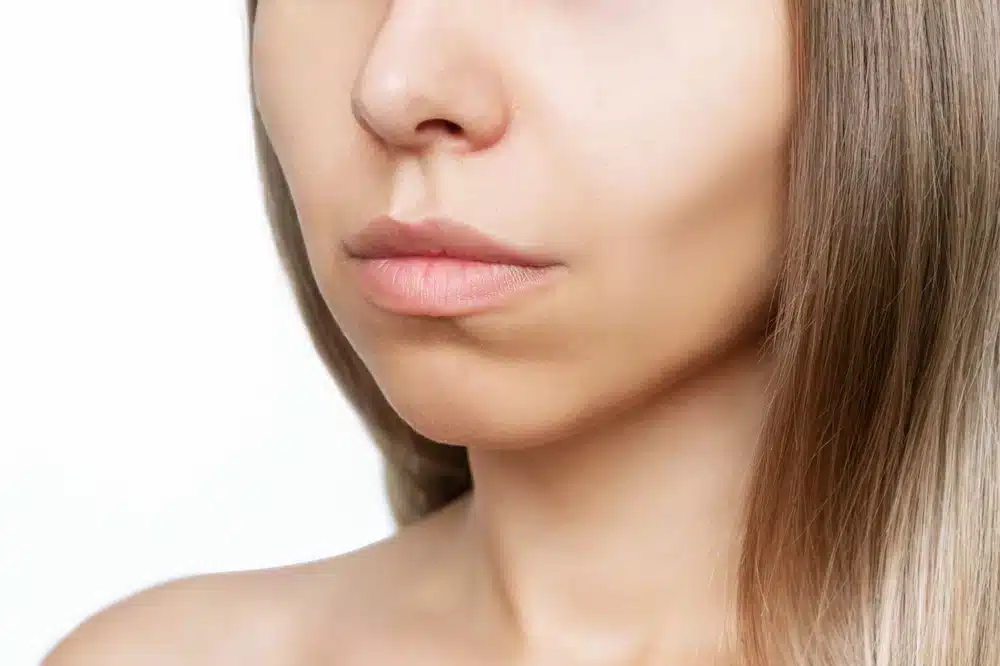
Before and After Buccal Fat Removal Photos


* All patients are unique and individual results may vary.
Choosing a Facial Contouring Surgeon
Facial contouring is nuanced. An experienced facial plastic surgeon evaluates bone structure, fat distribution, skin quality, and bite dynamics to recommend the safest, most effective path. Whether you’re exploring cosmetic surgery and non-surgical treatments, precision planning minimizes risks, prevents over-thinning, and prioritizes natural balance so your results age gracefully—on camera and in real life.
Dr. Kirk Lozada is a double board‑certified facial sculpting expert known for natural outcomes and minimal downtime. Trained with top teams in Philadelphia, New York, and New Jersey and active in the AAFPRS, he tailors every plan to your goals. Ready to talk options? Call 267‑817‑4600 or visit our contact page to schedule a consultation.