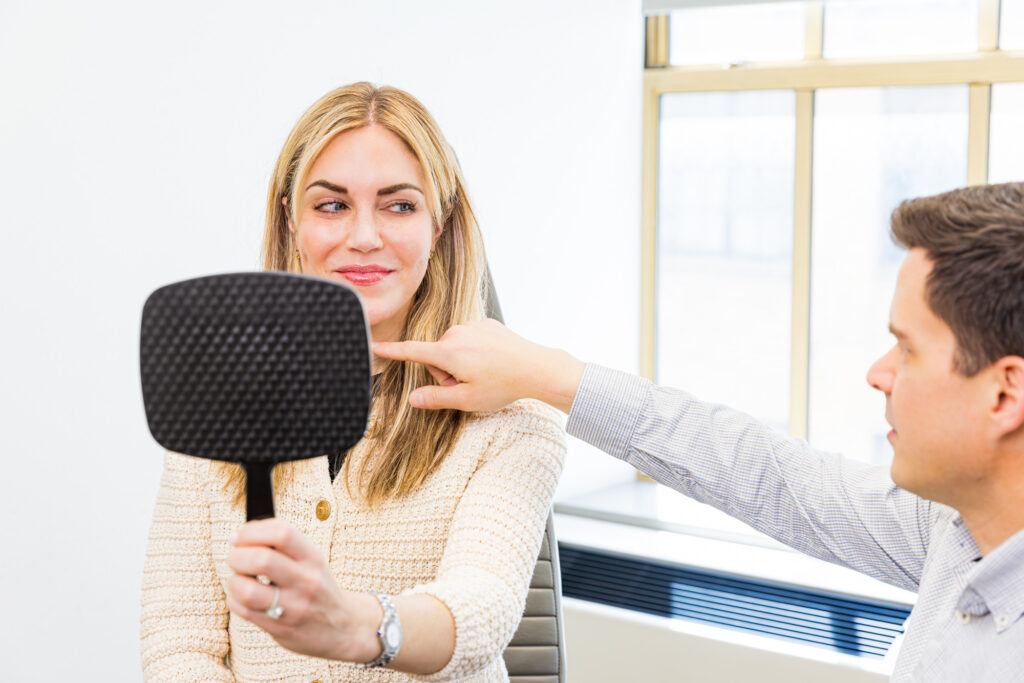





You’ll go home the same day with a protective head wrap in place. This dressing supports healing and typically comes off the following day.
Philadelphia Ear Pinning
Correct Ear Projection
Otoplasty is a transformative procedure that fine-tunes the symmetry of the ears, aligning them with one’s facial profile.
Consultation Required?
Yes
Performed By
Dr. Kirk Lozada
Procedure Length
1 to 2 Hours
Recovery Time
About 1 Week
What It Treats
- Protruding ears
- Ear asymmetry
- Misshapen cartilage
- Lack of fold
Understanding Ear Pinning
Ear pinning is a commonly performed cosmetic surgery to correct developmental abnormalities of the ear(s) in both children and adults.
What It Is
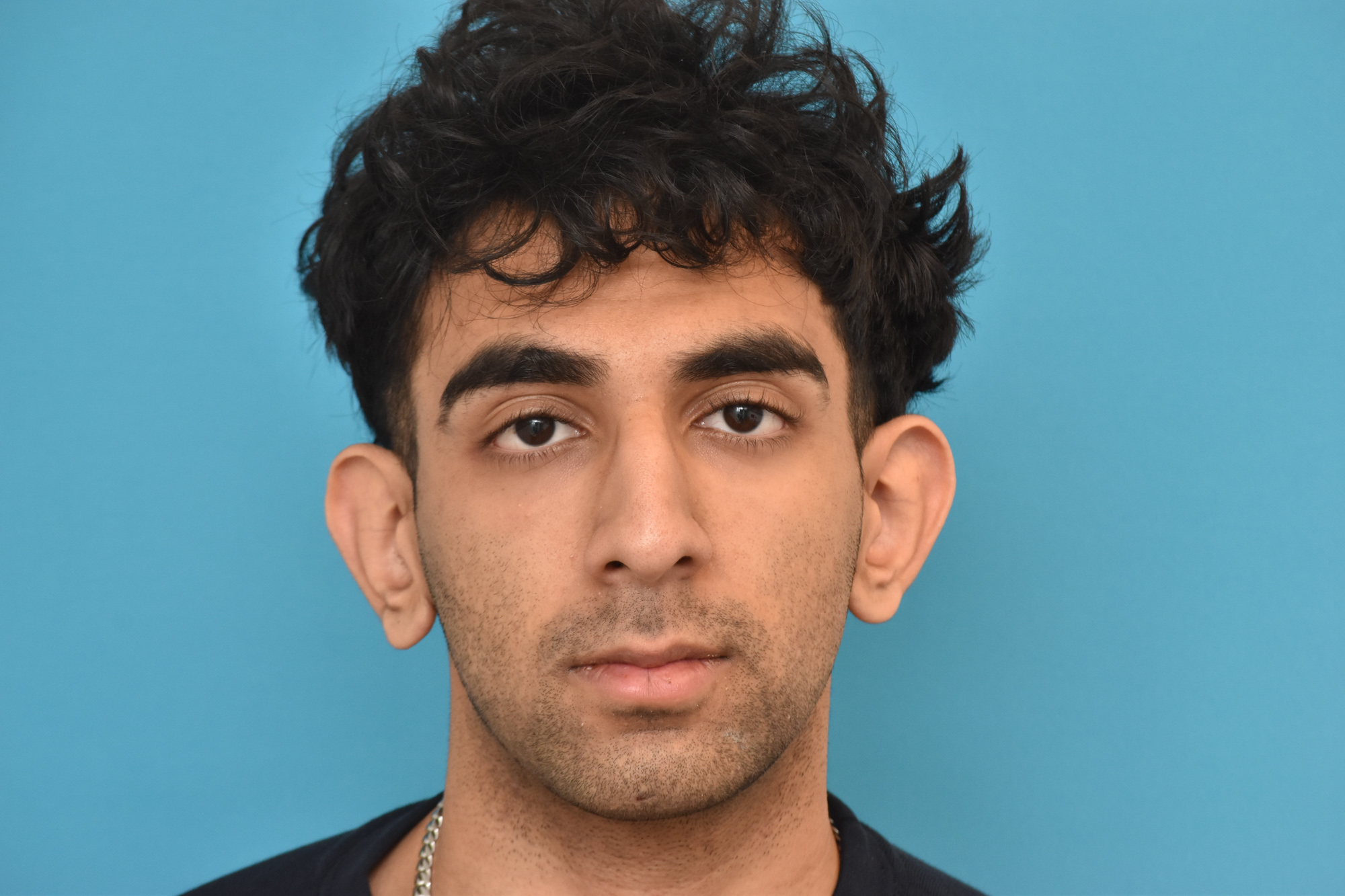
Otoplasty, often called ear pinning, reshapes one or both ears to improve position, contour, and proportion. It addresses structural differences in cartilage rather than simply adjusting the surface appearance.
Why It Happens
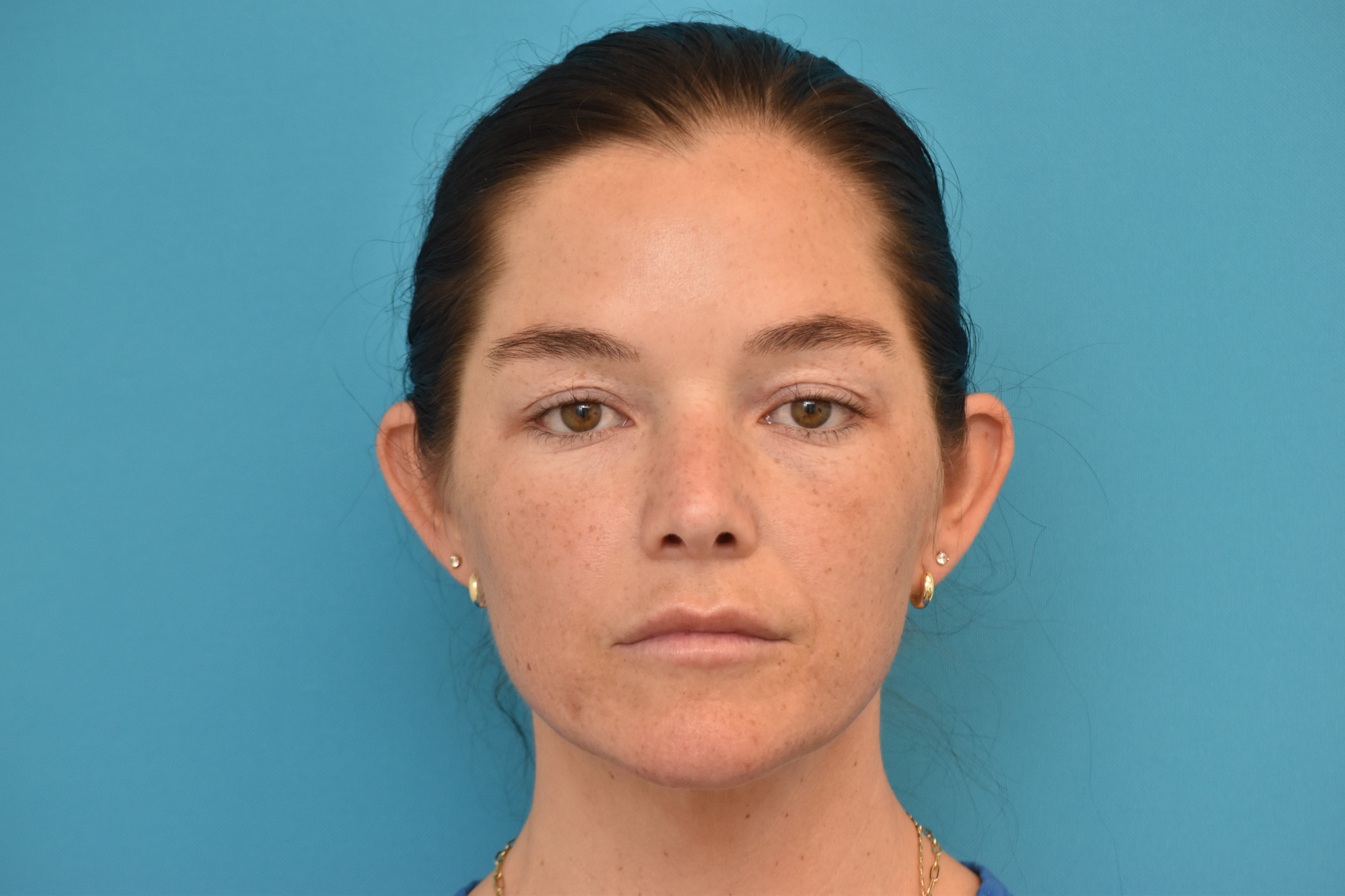
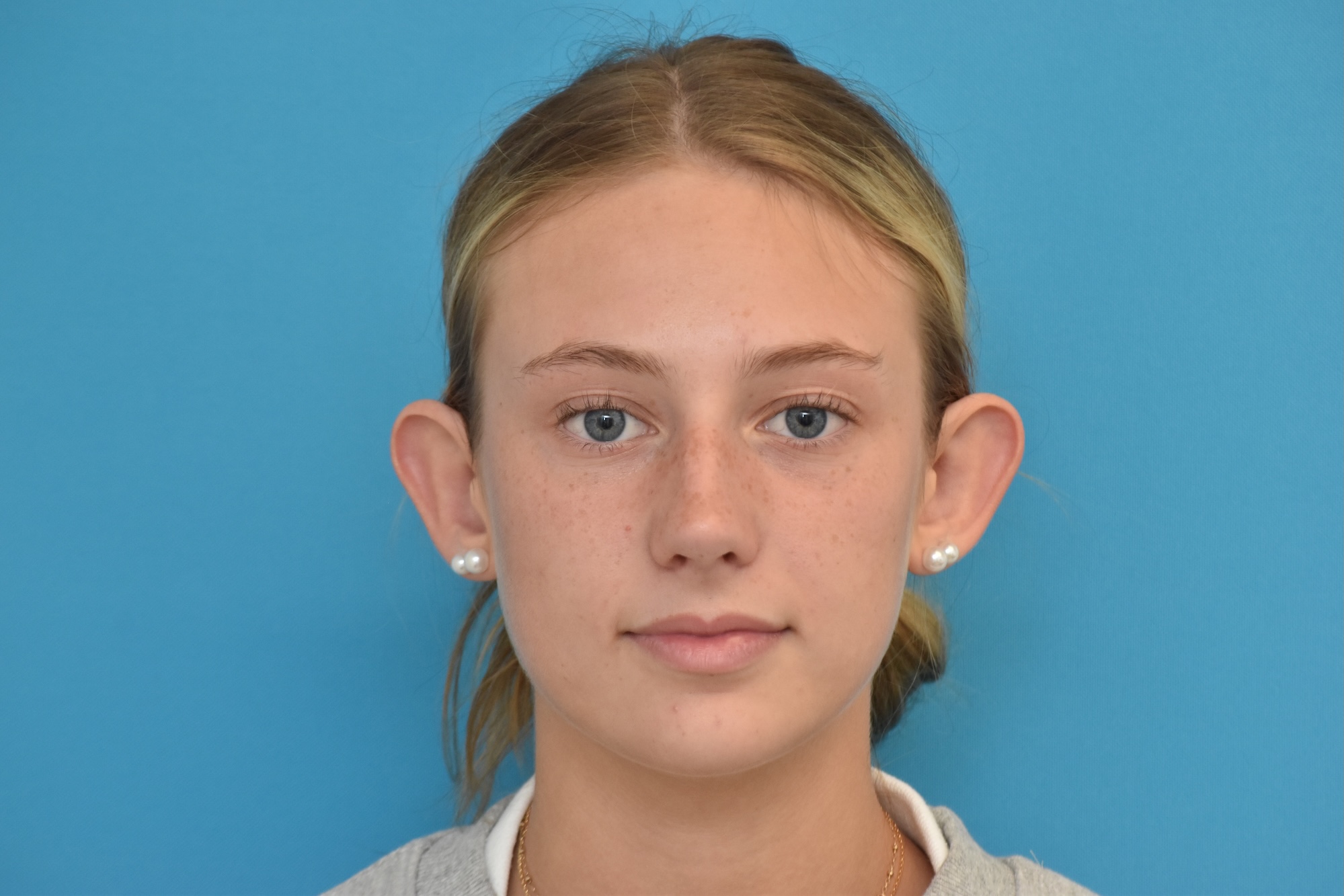
Prominent ears often result from underdeveloped folds or excess cartilage. These differences can cause the ears to project outward or appear less defined.
What It Corrects
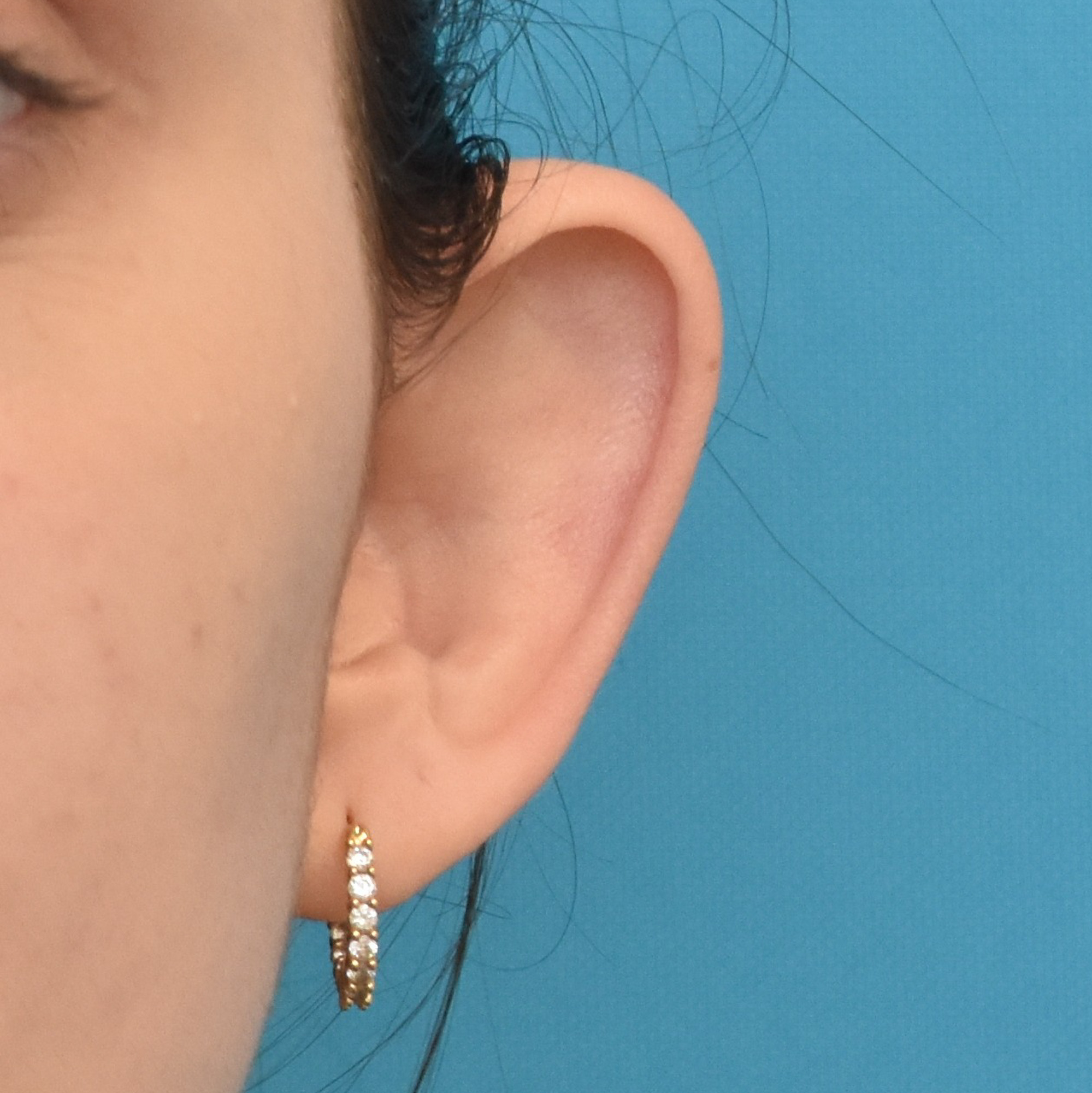
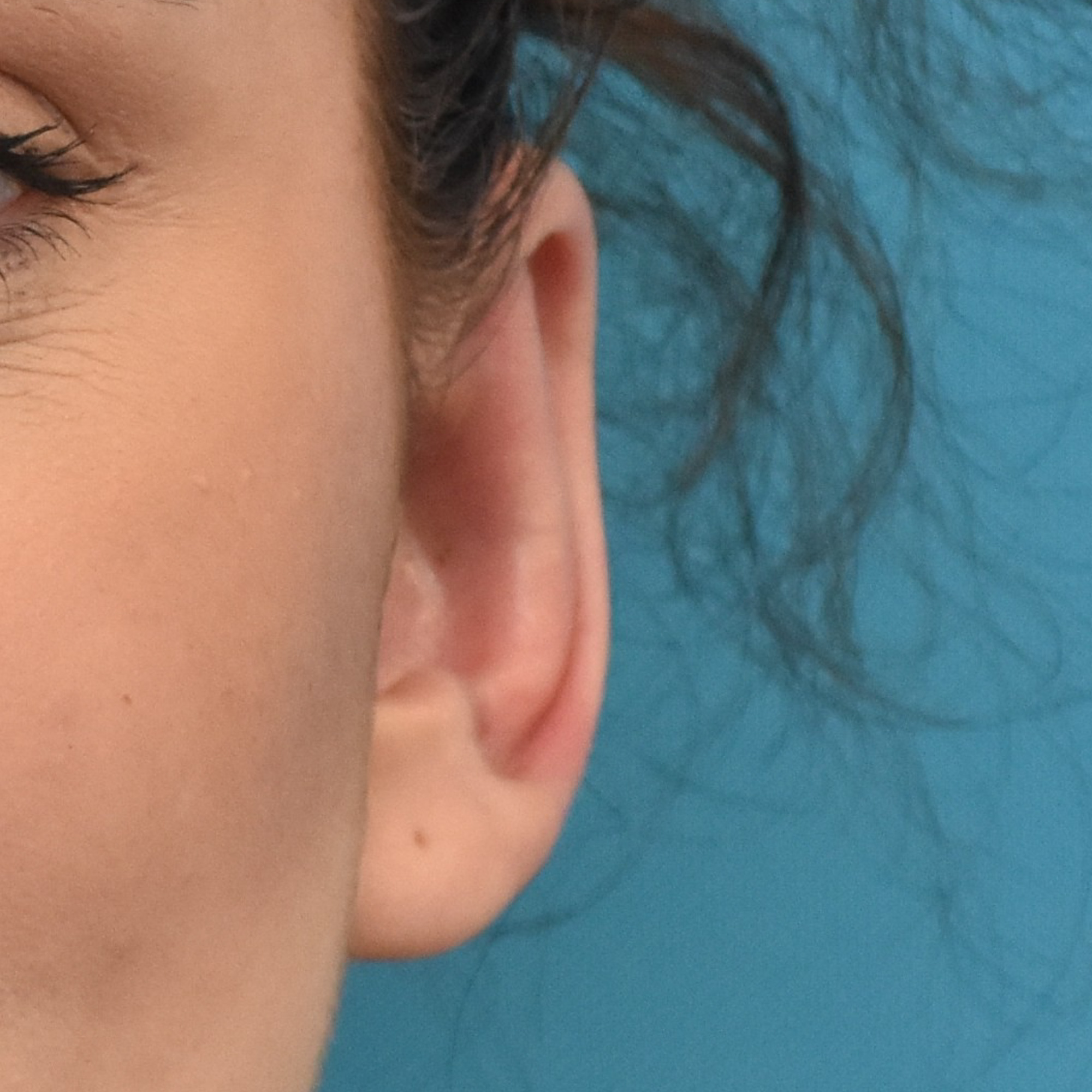
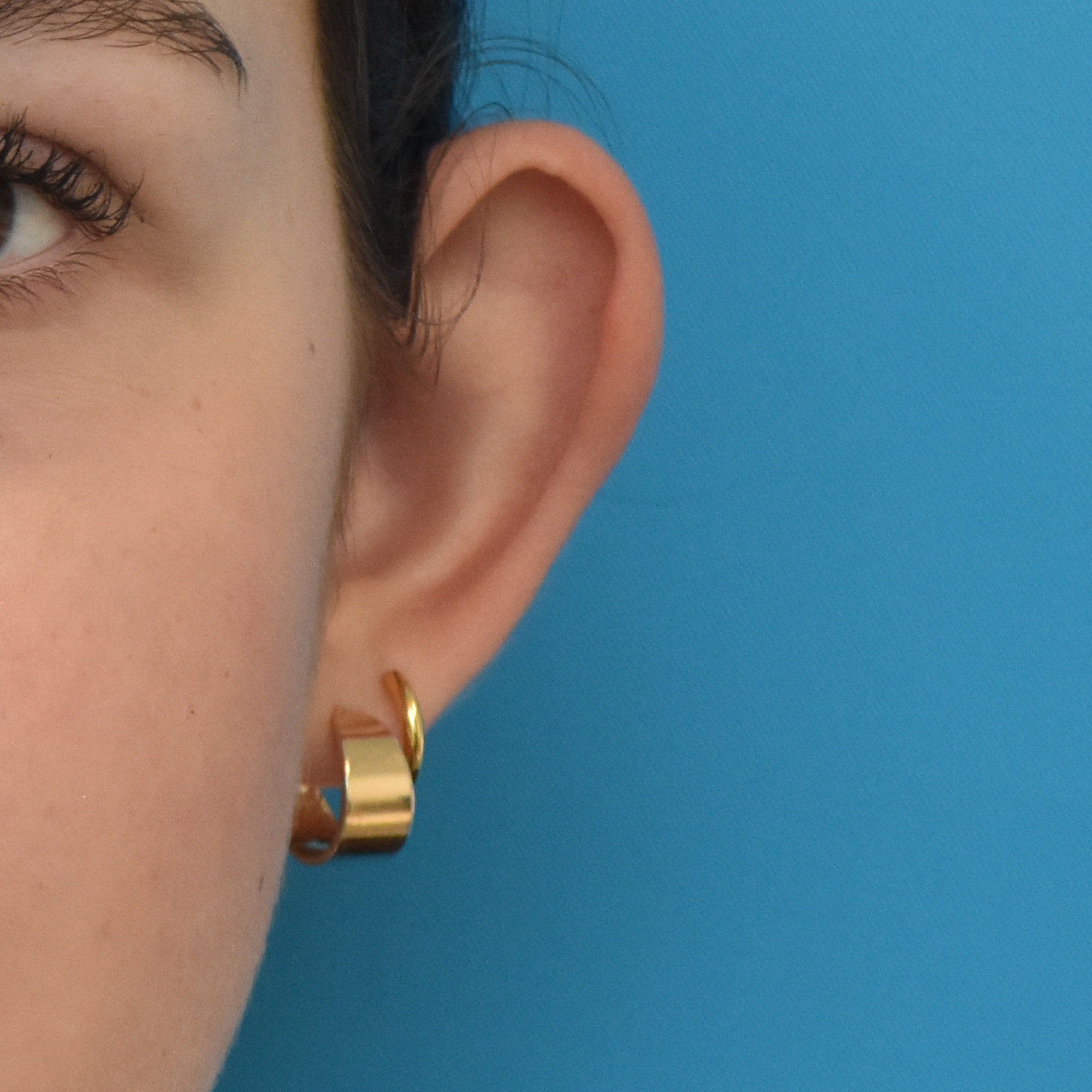
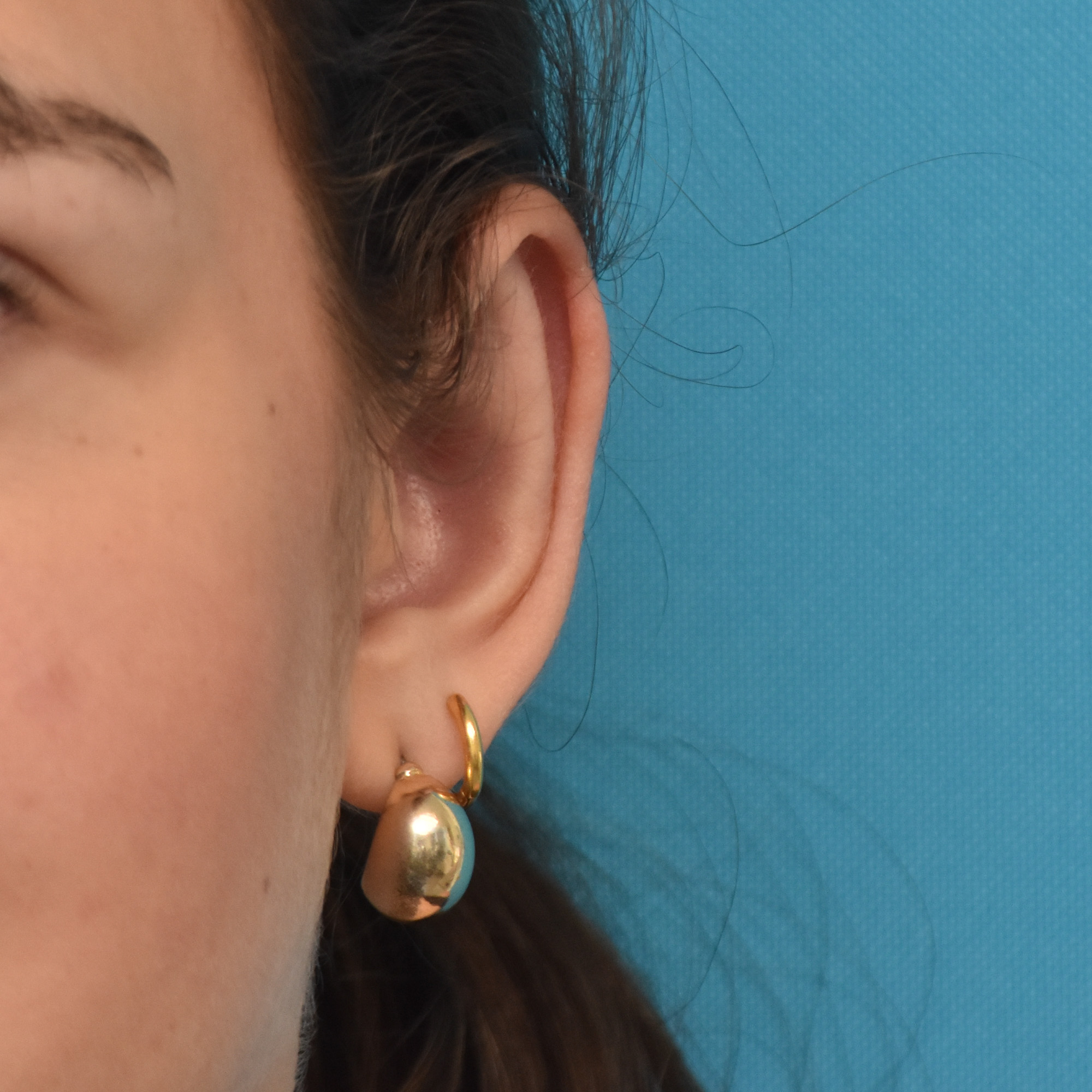
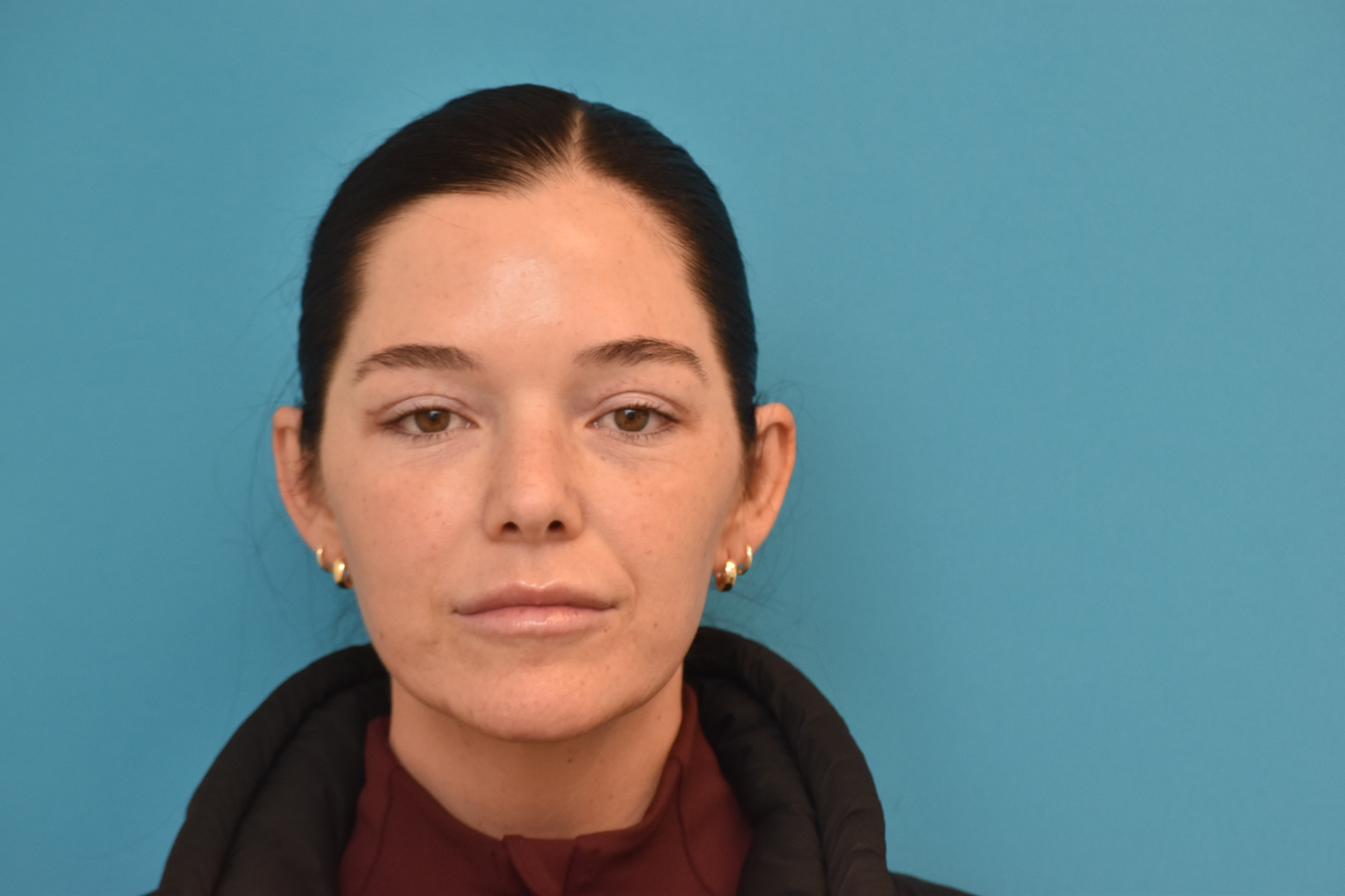
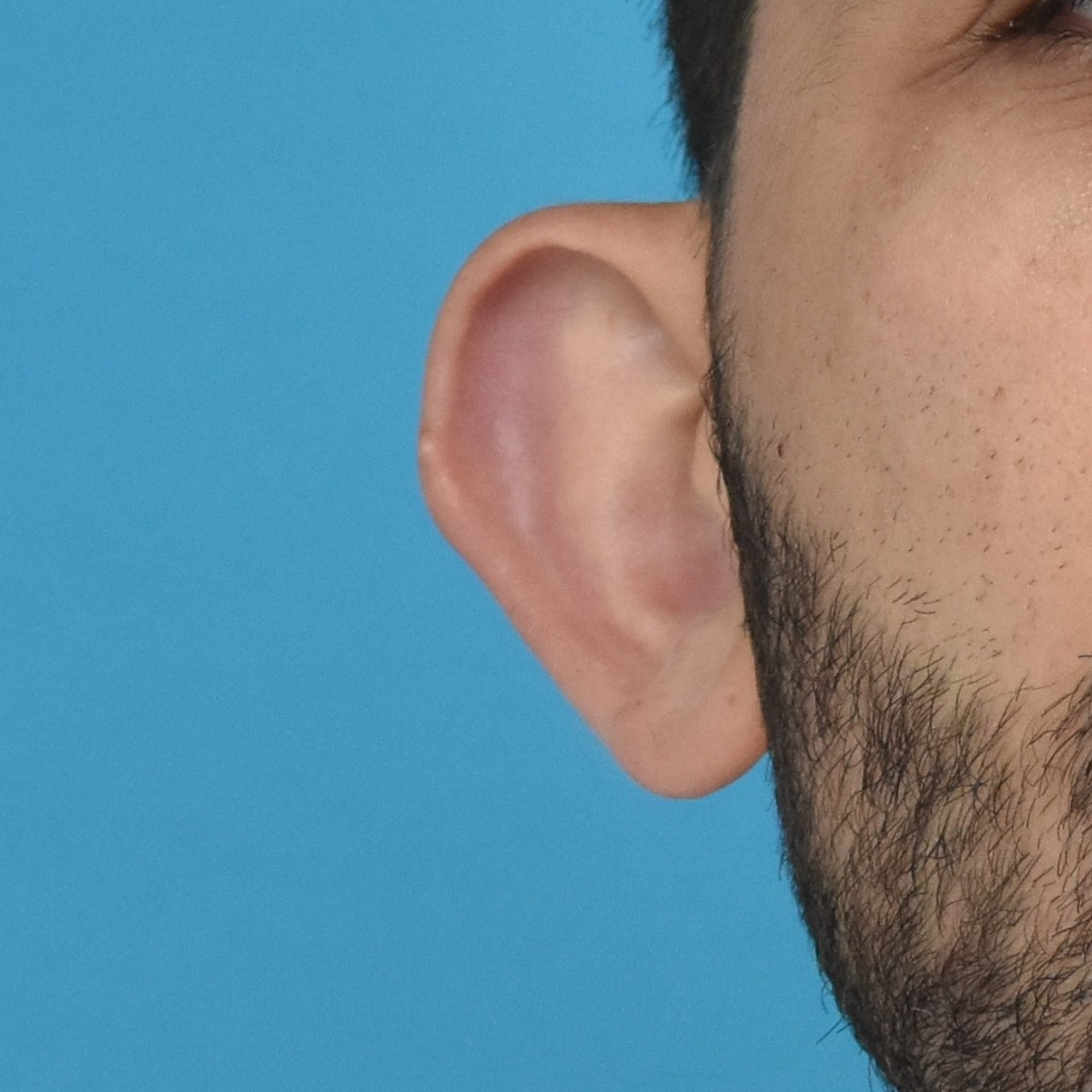
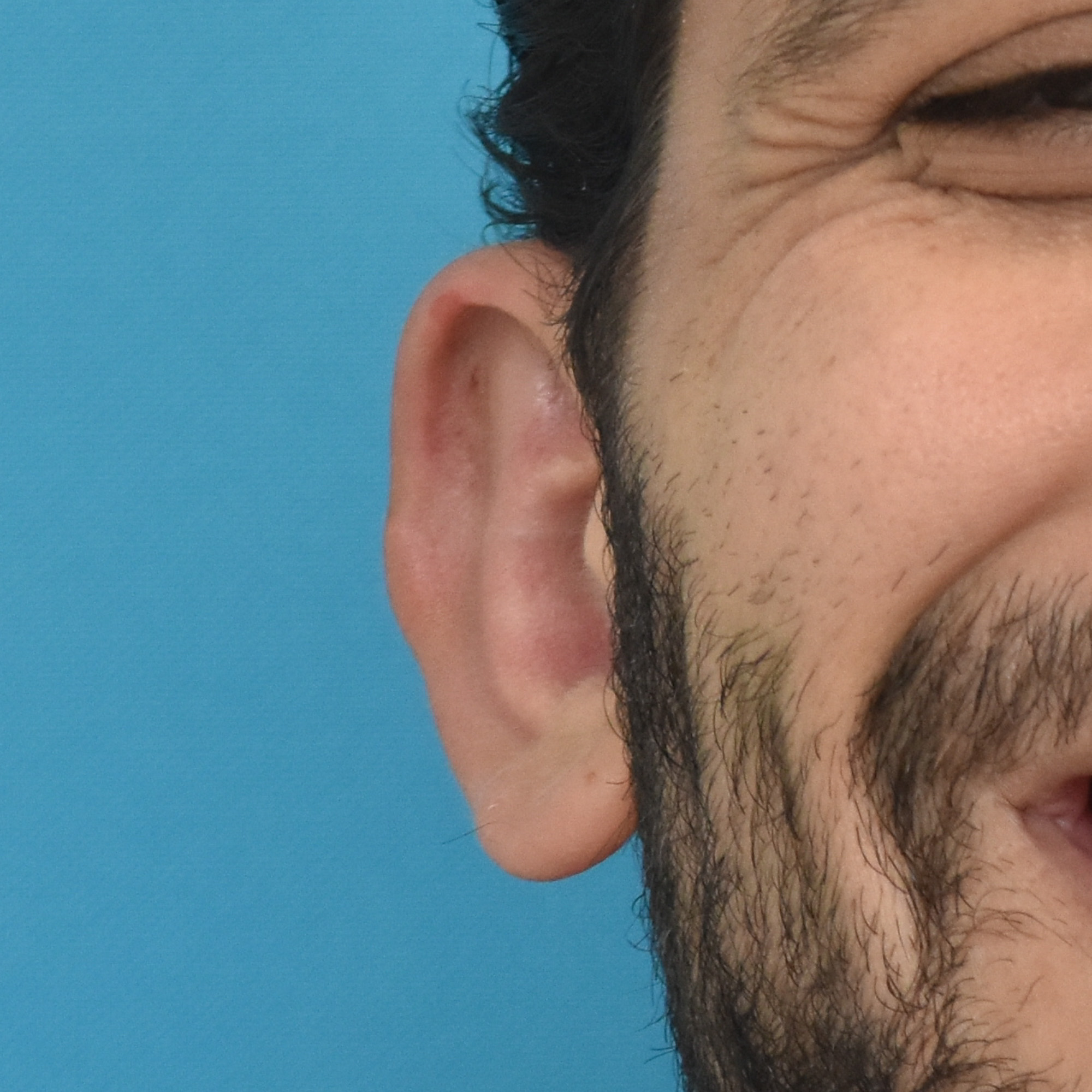
Otoplasty can recreate natural folds, reduce projection, and refine your overall ear shape. It addresses concerns like protruding ears, asymmetry, or irregular cartilage development.
The Goal
The goal isn’t to change the ears entirely. It’s bringing them into better proportion so they no longer draw attention away from the rest of the face.
Before
After
Before
After

Before
After
Before
After
Before
After
Before
After

Real Patient Transformations
See how small refinements can create meaningful improvements.
Benefits and Outcomes
Long-Lasting Results
Otoplasty reshapes cartilage permanently. Once healed, the position and contour hold without ongoing maintenance or retreatment.
Better Proportion, Less Attention
When the ears sit closer to the head, they stop competing with the rest of the face, and the overall profile reads as more naturally balanced.
Natural Confidence
Patients often feel more at ease in everyday settings, without thinking about how their ears look in photos or conversation.
Dr. Lozada’s Approach
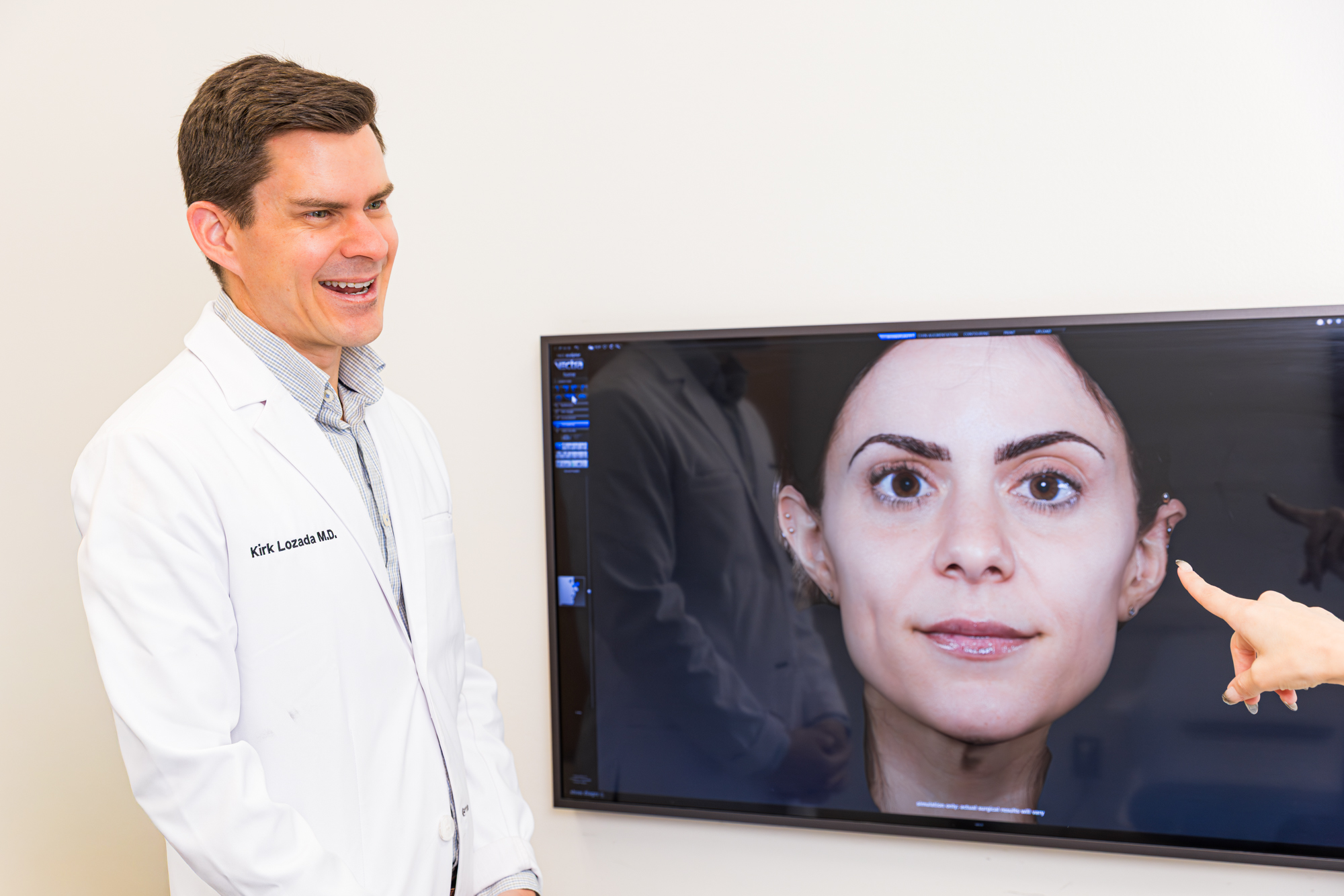
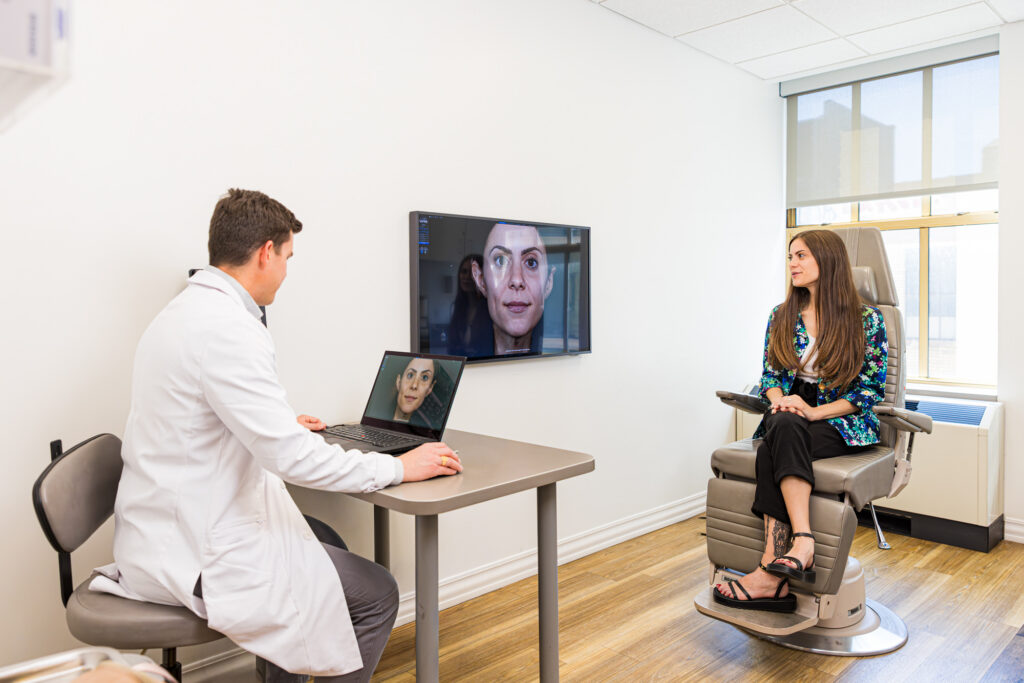
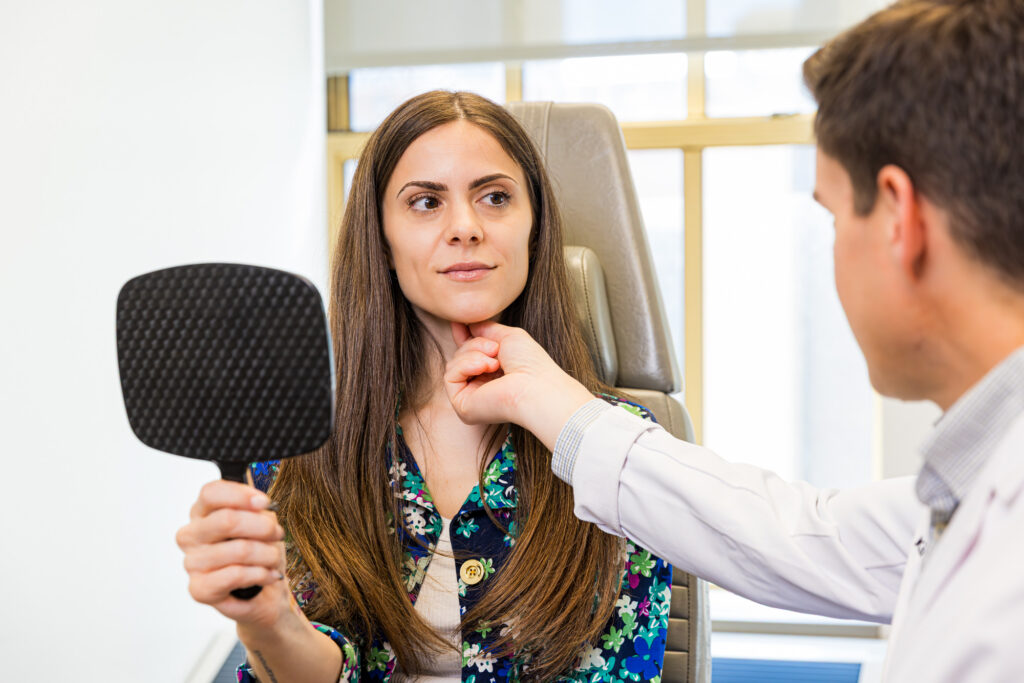
Dr. Lozada, a double board-certified facial plastic surgeon, evaluates the ears based on their underlying cartilage shape, projection, and how they relate to the rest of the face. Not every patient benefits from the same approach.
He walks through whether surgical otoplasty or a less invasive option makes sense, based on your anatomy and goals. When structural correction is needed, surgery allows him to reshape cartilage and create a more balanced, natural result that lasts for patients considering ear pinning in Philadelphia at Lozada Facial Plastic Surgery.

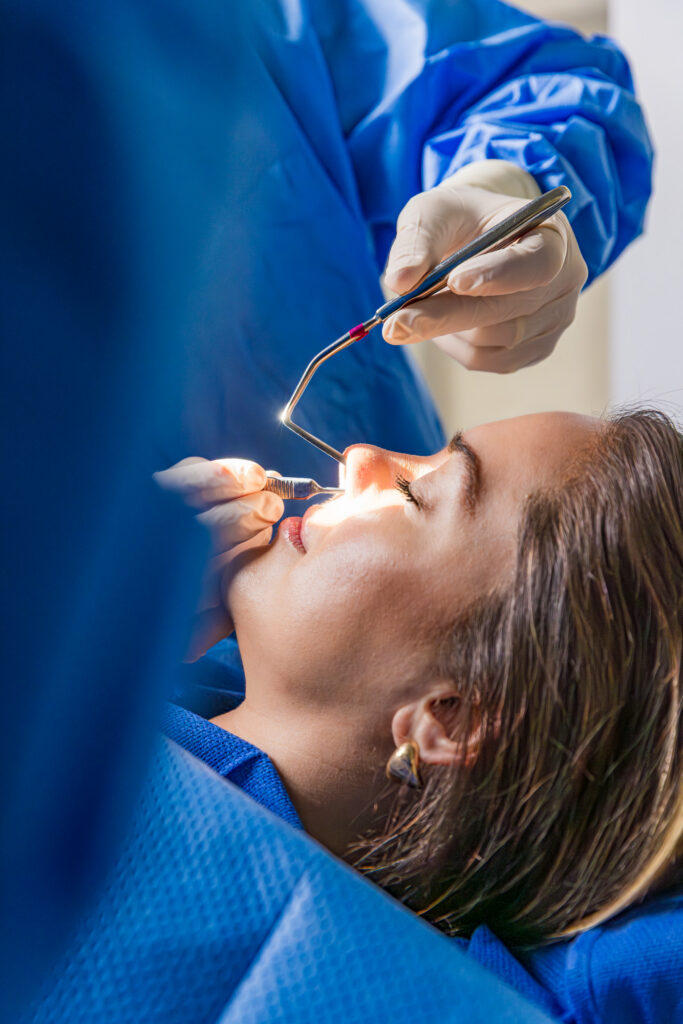
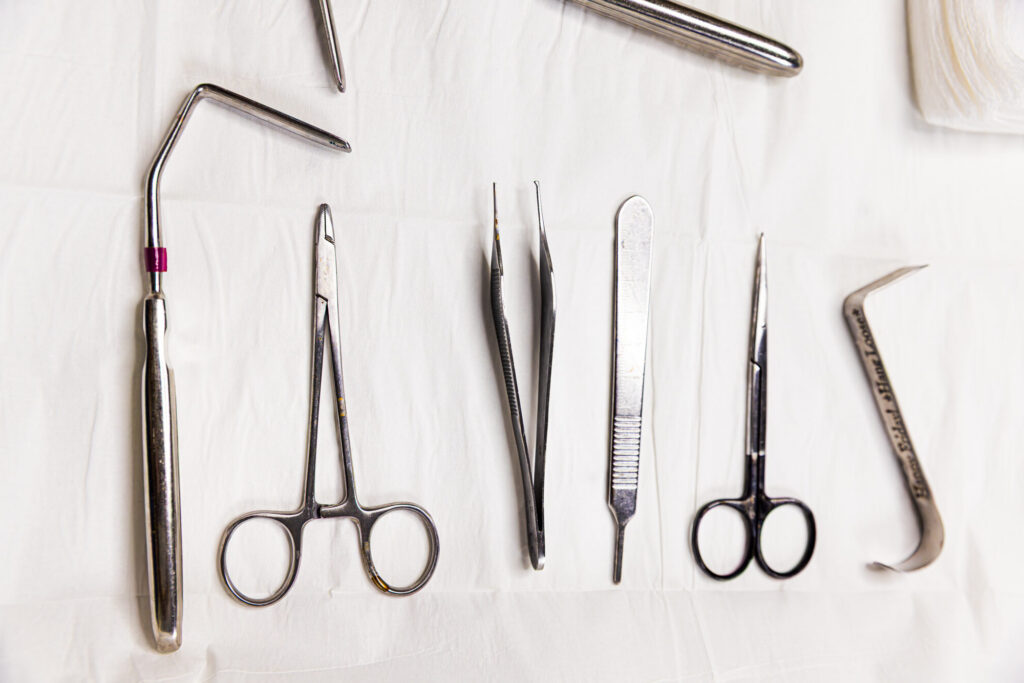
The Surgical Process
Anesthesia Approach
1
Dr. Lozada performs otoplasty while you’re under local or general anesthesia, depending on the patient and the complexity of the correction.
Hidden Access
2
He will place a small incision behind the ear, keeping scars concealed while creating access to reshape the underlying cartilage.
Fold Creation
3
If the natural fold is missing, Dr. Lozada reshapes the cartilage and uses permanent sutures to recreate a more defined, natural contour.
Positioning the Ear
4
He places internal sutures to guide the ear closer to the head, setting it at a balanced angle that aligns with your facial structure.
Structural Refinement
5
When needed, he removes a small amount of skin or cartilage to refine shape and ensure the ear sits naturally and symmetrically.
You’ll wear a soft headband to keep the ears supported. Swelling and bruising are expected, but begin improving within the first week.
Most swelling and bruising continues to resolve. Patients often feel comfortable returning to normal routines, as any remaining bruising is typically easy to conceal.
Avoid strenuous activity for 2 to 3 weeks and contact sports for about 6 weeks to protect the ears as they heal.


Related Treatments
Frequently Asked Questions
The initial healing period after otoplasty typically lasts about 1 to 2 weeks. During this time, swelling and bruising will gradually improve. We often remove sutures within the first week after your ear pinning in Philadelphia.
While many patients return to non-strenuous activities within a few days, it’s best to avoid more vigorous activity for several weeks to protect the ears. Full recovery and final results take 2 to 3 months as residual swelling subsides and the ears settle into their new position.
Otoplasty focuses on reshaping or repositioning the outer ear and does not involve the inner ear structures responsible for hearing. Because of this, the procedure should not directly affect your ability to hear.
As with any surgery, it’s important to discuss your specific concerns with your surgeon beforehand. Following post-operative instructions closely after your procedure will help ensure proper healing and minimize any potential risks after an otoplasty in Philadelphia.
After treatment, it’s generally recommended to avoid swimming and submerging the ears in water for about 4 to 6 weeks. This allows the incisions to heal properly and helps reduce the risk of infection or complications.
Your surgeon may adjust this timeline based on how you’re healing. Before returning to swimming or water activities, it’s always best to confirm that everything is progressing as expected after your otoplasty in Philadelphia.
Ready to Move Forward?
Whether you’re exploring surgical options or considering nonsurgical refinement, start with the path that feels right. Use our planning tool for direction or schedule a consultation to speak directly with our team.