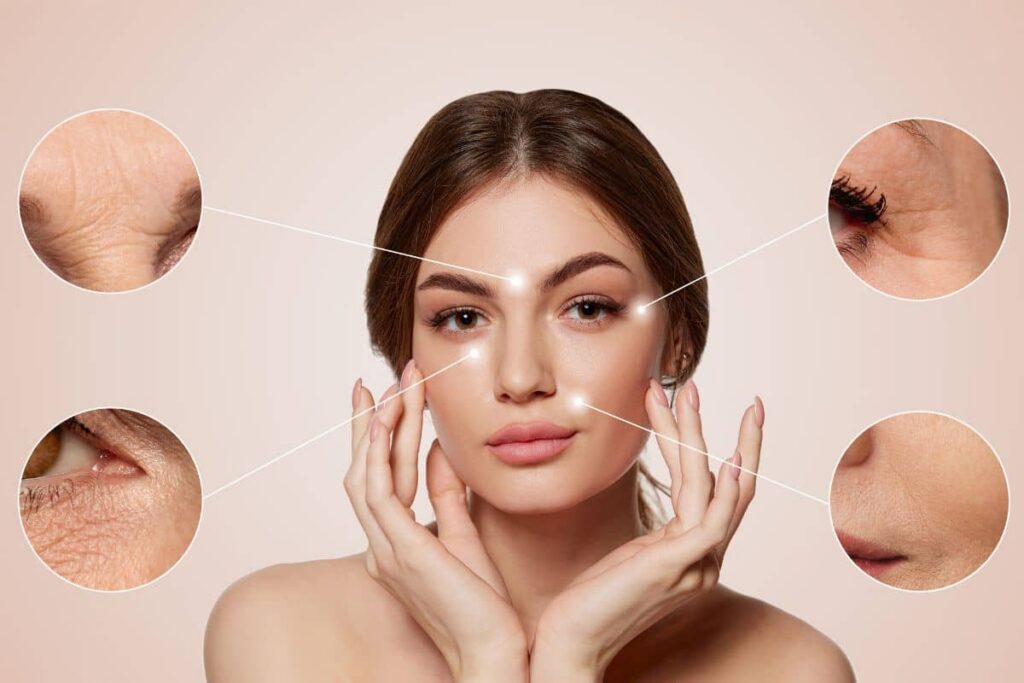
Refining facial expression lines with Botox injections can make the skin look smoother and more refreshed without surgery or downtime. But one of the most common questions patients ask is, How many units of Botox do I need? The answer depends on several factors, including muscle strength, skin elasticity, facial anatomy, and personal goals. At Lozada Facial Plastic Surgery in Philadelphia, Dr. Kirk Lozada and his experienced nurse injectors, Brooke Carrero, RN-BSN, and Marielle Roselli, RN, personalize every Botox treatment for natural, balanced results.
Understanding how Botox dosage varies from one treatment area to another can help you plan your visit and set realistic expectations for your outcome.
Quick Insights on Botox Dosage and Results
- Botox dosage depends on muscle strength, facial anatomy, and goals.
- Most results last three to four months before touch-ups are needed.
- Each facial area requires a different number of units for natural balance.
- A skilled injector customizes Botox treatment for symmetry and safety.
- Consistent maintenance keeps your skin smoother for longer.
What Factors Determine Your Botox Dosage?
Botox injections temporarily relax specific facial muscles that cause wrinkles and lines. The ideal Botox dosage varies because no two faces are the same. Several factors influence how many units you’ll need in each specific area of the face:
- Muscle strength and movement patterns: Stronger facial muscles, especially around the forehead and eyes, often require more units for effective softening.
- Facial anatomy and symmetry: Each person’s muscle placement and skin elasticity differ, affecting both dosage and injection technique.
- Age and skin condition: With time, skin becomes thinner and less elastic, which can alter how Botox distributes within the tissue.
- Gender and metabolism: Men often need higher doses due to greater muscle mass, while faster metabolisms may shorten the duration of results.
- Treatment history and goals: First-time patients often start with fewer units so their injector can assess muscle response. After initial treatments, the dosage may be adjusted for optimal results. Over time, as facial muscles adapt and remain more relaxed, some patients may maintain their results with slightly fewer units.
- Event planning: Patients preparing for weddings, photos, or public appearances should plan Botox treatments several weeks in advance for best timing.
Botox Units by Facial Area
Each Botox treatment targets a specific set of facial muscles to reduce wrinkles and restore smoother contours. Below are common treatment areas and typical dosage ranges. These numbers are approximate and should always be customized by your injector.
Forehead Lines (Horizontal Forehead Lines)
Horizontal forehead lines are caused by repeated lifting of the eyebrows. Treating this area usually requires around 10 to 20 units depending on forehead size and muscle activity. Proper placement keeps the forehead relaxed without limiting natural expression.
Frown Lines and Glabellar Lines (Between Eyebrows or Brow Furrow)
The glabellar complex—responsible for frown lines between the eyebrows—often needs 15 to 25 units of Botox. Softening this brow furrow can make the face appear calmer and more approachable. Many patients choose to treat both the forehead and glabellar areas together.
Crow’s Feet (Around the Eyes)
Horizontal forehead lines are caused by repeated lifting of the eyebrows. Treating this area usually requires around 10 to 20 units depending on forehead size and muscle activity. Proper placement keeps the forehead relaxed without limiting natural expression.
Brow Lift and Eyebrow Shape
A gentle eyebrow lift using Botox helps elevate the outer brows and open the eye area. Usually, 2 to 5 units per side are sufficient to create subtle lift without stiffness.
Bunny Lines and Nose Area
Fine lines along the bridge of the nose appear when scrunching or smiling. Treating these muscles often takes 4 to 8 total units, producing a smoother nose contour while maintaining expression.
Lip Flip, Gummy Smile, and Lip Lines
For patients who want a softer upper lip or wish to reduce a gummy smile, treatment typically involves around 4 to 6 units to relax the muscles around the mouth. Treating vertical lip lines requires a similar low-dose approach, improving definition without affecting speech or eating.
Marionette Lines, Smile Lines, and DAO (Downturned Mouth Corners)
When frowning muscles pull the mouth corners downward, small doses—usually around 4 to 8 units total—are used in many cases to relax these areas and improve facial balance. Because anatomy varies, dosing in this area can differ from patient to patient. Botox injections here are sometimes combined with dermal fillers for a smoother lower-face rejuvenation.
Chin Dimpling and Chin Area
Overactive chin muscles can create an uneven texture known as “pebble chin.” Botox injections usually range from about 4 to 6 units to even out the surface and refine chin contours.
Masseter Muscles and Jawline Contouring
Botox treatment in the masseter muscles, located at the back of the jaw, can slim and soften the lower face. In moderate cases, treatment often involves around 20 to 30 units per side, though higher or lower amounts may be used depending on muscle size and strength. This is also helpful for patients who grind their teeth or experience jaw tension.
Platysma (Neck Bands and Lower Face)
The platysma muscle extends from the chin down the neck. Treating mild to moderate vertical neck bands often requires about 25 to 50 total units, helping create a smoother neckline and firmer jaw definition. Larger or more prominent bands may require a different approach tailored to the individual.
Every face is different, and Dr. Lozada and his team carefully personalize both injection placement and dosage to create balanced, natural-looking results that fit your anatomy and goals.

Philadelphia’s Premier Double Board Certified Facial Plastic Surgeon & Rhinoplasty Specialist.
Dr. Lozada is a facial sculpting expert who can help you achieve your desired aesthetic results.

How Often Do You Need Botox?
Most patients enjoy visible improvement within three to seven days, with optimal results at two weeks. On average, Botox lasts three to four months. Regular maintenance helps facial muscles remain more relaxed, so lines often return softer over time. With repeated, consistent treatments, some patients may notice that their injector can maintain results with slight unit adjustments—but this isn’t guaranteed for everyone and depends on individual response. Those with stronger facial muscles or faster metabolisms may prefer slightly shorter intervals, while consistent treatment can sometimes extend longevity.
Potential Side Effects and What to Expect After Botox Treatment
Immediately after Botox injections, you might notice small bumps, mild redness, or tenderness at the injection sites. These effects usually fade within hours. Bruising is generally mild and uncommon when injections are performed by skilled clinicians using gentle technique. Rare potential side effects may include temporary drooping of the eyelid or eyebrow, but these are minimized through precise technique and proper Botox dosage. Avoid rubbing the area or strenuous exercise for 24 hours to ensure even distribution.
Why Choosing the Right Injector Matters More Than the Number of Units
While dosage guides can help you understand averages, the true art of Botox lies in expert assessment and precise technique. Experienced injectors focus on understanding facial anatomy, muscle strength, and individual balance—customizing every treatment rather than simply following “average” unit counts. Dr. Kirk Lozada, a fellowship-trained facial plastic and reconstructive surgeon in Philadelphia, combines advanced anatomical knowledge with an artistic eye to achieve natural, symmetrical results. Working closely with Brooke Carrero, RN-BSN, and Marielle Roselli, RN, he ensures that each Botox treatment plan is tailored to the patient’s unique features and goals, delivering refreshed, authentic results that enhance rather than alter expression.
Schedule a Consultation in Philadelphia
If you’re considering Botox for smoother skin and a more relaxed appearance, schedule your consultation at Lozada Facial Plastic Surgery in Philadelphia. Whether you want to treat forehead lines, frown lines, or jawline tension, Dr. Lozada and his team can design a treatment plan that fits your features and goals. Consistent care from experienced injectors is the best way to maintain long-lasting, confident results.