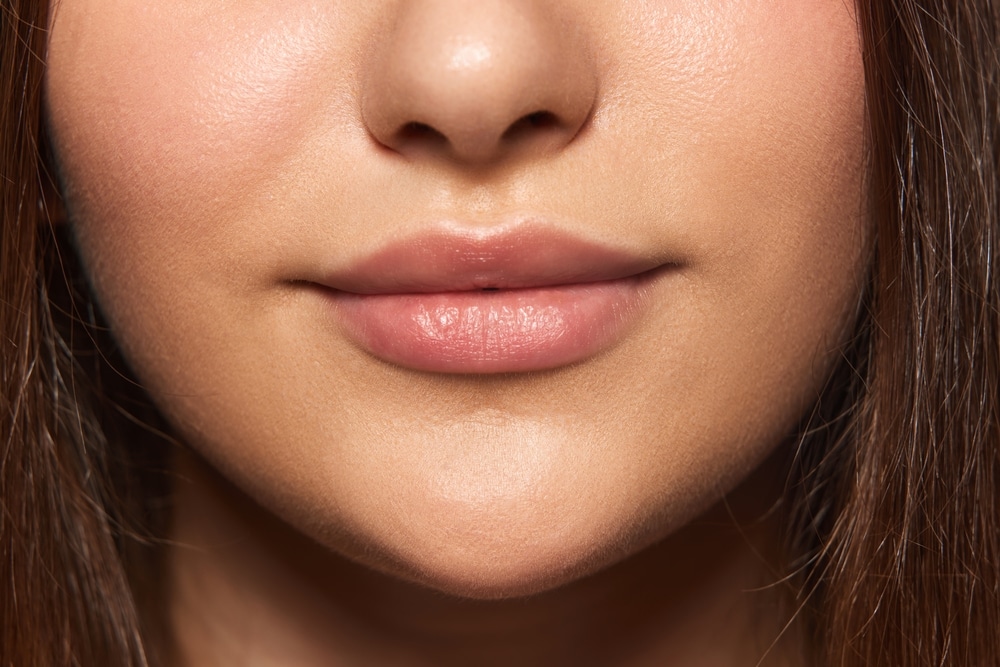

Wondering whether a lip lift can refresh your smile without leaving telltale marks? A lip lift procedure shortens the space between the nose and the upper lip to create full lips and youthful balance. Yet concerns about the appearance of scars are common, making lip lift scar revision a key part of facial rejuvenation after an initial surgery.
In this guide, we cut through confusion, what healing really looks like, when a mark softens, and how gentle choices elevate results. You’ll learn when simple care works and when precision treatment shines, plus what to expect from lip lift scar revision options so your outcome looks seamless, confident, and camera-ready.
How Long Does It Take for Lip Lift Scars to Heal?
Most patients notice steady improvement throughout the recovery from lip lift surgery, with early redness fading over the first 6–12 weeks as collagen remodels. While incisions usually settle nicely, lip lift scars can continue to mature up to a year, maybe even more, depending on genetics, skin type, and the finesse of the original closure.
Healing really depends on consistent aftercare and time. Swelling and pinkness typically calm in months, while texture and color refine slowly as the scar softens. Gentle massage, sun protection, and proper wound care support smoother results; if a mark remains raised or wide after maturation, targeted treatments—like lasers, microneedling, or silicone therapy—can further improve it.
Why Do Some Patients Seek Lip Lift Revisions?
Even with careful planning and realistic expectations, not every initial lip lift heals exactly as a patient hoped. Some individuals notice aesthetic concerns, lingering scar visibility, or changes in function once swelling subsides. In other cases, the final outcome simply doesn’t align with their desired balance or facial harmony. These situations can lead patients to explore revision options tailored to their unique needs.
Unsatisfactory Aesthetic Results
For some patients, the healed result simply doesn’t match the vision they had going into surgery. Elements like lip shape, symmetry, or incision placement may not create the refined look they imagined, leading to dissatisfaction with the aesthetic outcome. Even subtle differences can prompt individuals to explore options for refinement to better suit their features and goals.
Visible Scarring After Recovery
Even when an incision heals on schedule, the skin around the lip area may develop noticeable scar tissue over time. Some individuals see lingering redness, thickness, or uneven texture that stands out more than expected. When cosmetic camouflage or conservative treatments don’t fully address these marks, patients might consider revision to soften the appearance and improve overall confidence.
Functional Issues Post-Procedure
In some cases, healing changes may affect how the mouth moves or feels, especially if tightness develops along the incision line. Patients may notice mild restriction when smiling or speaking, or experience discomfort that wasn’t expected after recovery. When form and function are impacted, revision can help restore natural movement and comfort.
Inadequate Post-Surgical Care
When instructions after surgery aren’t followed closely, scars may heal less predictably and become more noticeable. Skipping recommended cleaning, ointments, or follow-up visits can increase redness, thickening, or tension around the incision. Without attentive care and protection, small issues early on can lead to concerns that later require revision for the best cosmetic result.
Types of Lip Lift Scars
Not all marks left after surgery behave the same way, and understanding how scar formation varies can help patients know what to expect. Factors like skin type, healing response, and incision technique influence whether a scar becomes raised, flat, discolored, or thin. Identifying the specific type allows for tailored treatments and realistic expectations going forward.
Hypertrophic Scars
These scars typically appear as raised, firm areas that stay within the boundaries of the original incision. After a lip lift, tension along the surgical site can sometimes trigger excess collagen production, causing the scar to thicken. While hypertrophic scars may flatten over time, many patients seek early interventions to encourage smoother healing and reduce texture changes.
Keloid Scars
Keloids extend beyond the original incision line and can become thicker or more raised over time. They occur when the body overreacts during healing, creating excess collagen that pushes past the initial scar borders. Although less common around the lips, these scars often require a combination of therapies to flatten, fade, or prevent further enlargement.
Atrophic Scars
Atrophic scars appear as shallow depressions where the skin has lost volume or collagen beneath the incision site. They can create a subtle dip along the treated area, especially if healing was delayed or tissue support was compromised. While often less raised than other scar types, these indentations may still draw attention and benefit from focused therapies to restore a smoother texture and contour.
Pigmentation Issues
Some scars heal with noticeable changes in color, creating contrast with the surrounding skin. Hyperpigmentation may appear darker, while hypopigmentation can leave a lighter patch that draws attention in photos or daily expression. Sun exposure, inflammation, and individual skin tone all influence these color shifts, which often respond best to targeted treatments and careful protection.
FEEL CONFIDENT IN YOUR RESULTS WITH LIP LIFT REVISION & SCAR TREATMENT
Don’t let scars or unsatisfactory results hold you back. Get expert care to refine and enhance your look.
Different Treatment Options for Lip Lift Scars
Many patients can improve the look and feel of their scars with thoughtful scar management and noninvasive therapies. Customized care can address texture, color, or thickness without the need for more involved plastic surgery procedures. Understanding the benefits of each option helps set realistic expectations and supports a smoother, more confident recovery.
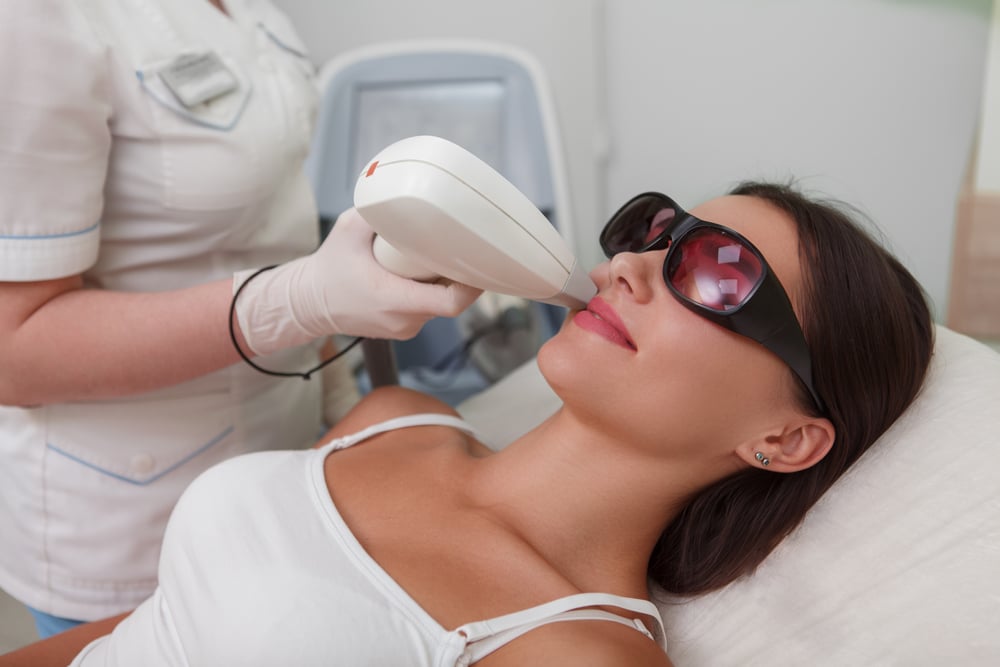
1. Laser Treatments for Scar Reduction
Modern laser therapy can soften scar texture and reduce discoloration by targeting excess collagen and encouraging healthy skin renewal. These cosmetic procedures work by delivering controlled energy to the scar tissue, prompting gradual remodeling without harming surrounding areas. Depending on the severity of the mark, multiple sessions may be recommended to blend the scar more seamlessly with nearby skin.
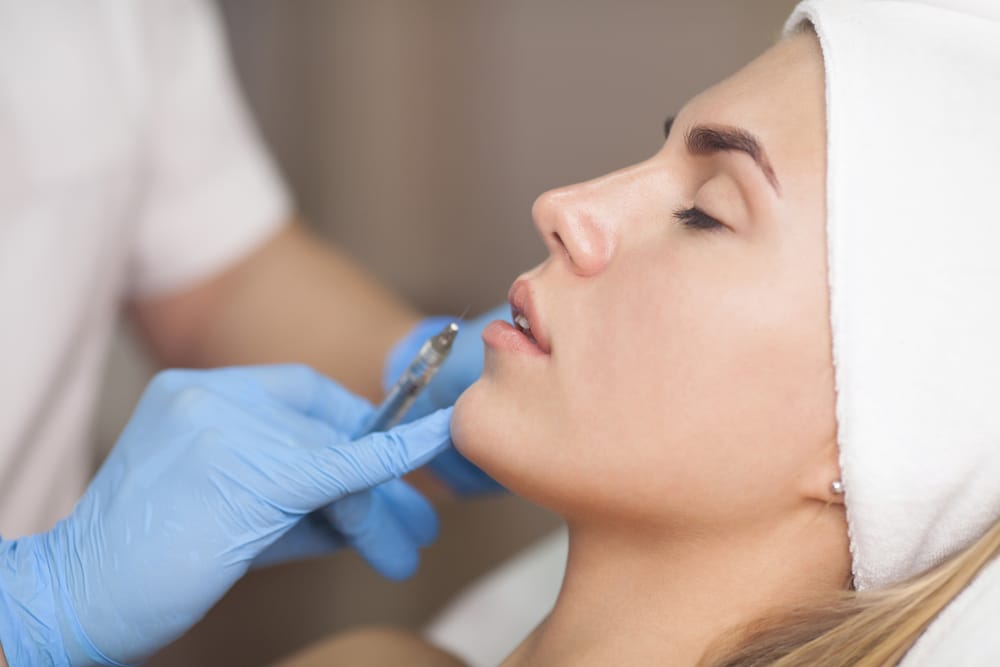
2. Platelet-Rich Fibrin (PRF) Injection
PRF uses a small sample of your own blood, spun to concentrate platelets, growth factors, and fibrin, then carefully injected along the scar line to encourage natural remodeling. By boosting cellular signaling and collagen production, PRF can soften firmness and refine texture with minimal downtime. Because it’s autologous, the risk of reaction is low, and results build gradually over weeks. PRF may be used alone or paired with microneedling or laser to enhance overall scar improvement.
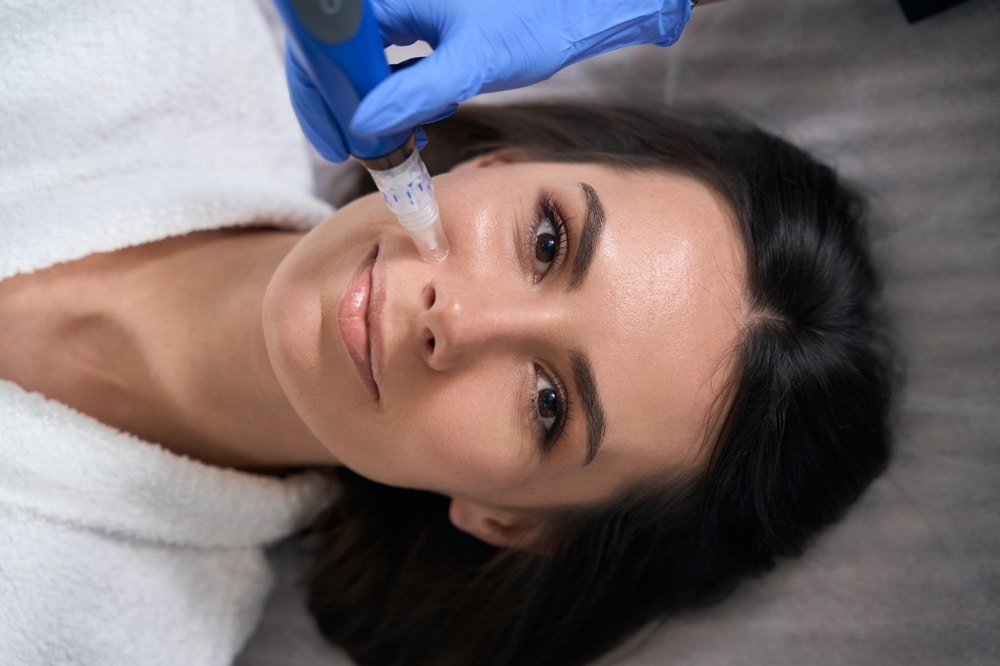
3. Microneedling Therapy for Scar Repair
Microneedling creates precise micro-channels that stimulate a natural healing response, encouraging fresh collagen and elastin where the scar feels tight or uneven. Over a series of sessions, this controlled injury-and-repair cycle helps smooth texture, soften borders, and improve how light reflects from the skin around the incision. Microneedling can be paired with PRF or topical actives to amplify results, and downtime is typically short—often mild redness for a day or two—making it a versatile option for subtle, steady scar improvement.
4. Steroid Injections for Raised Scars
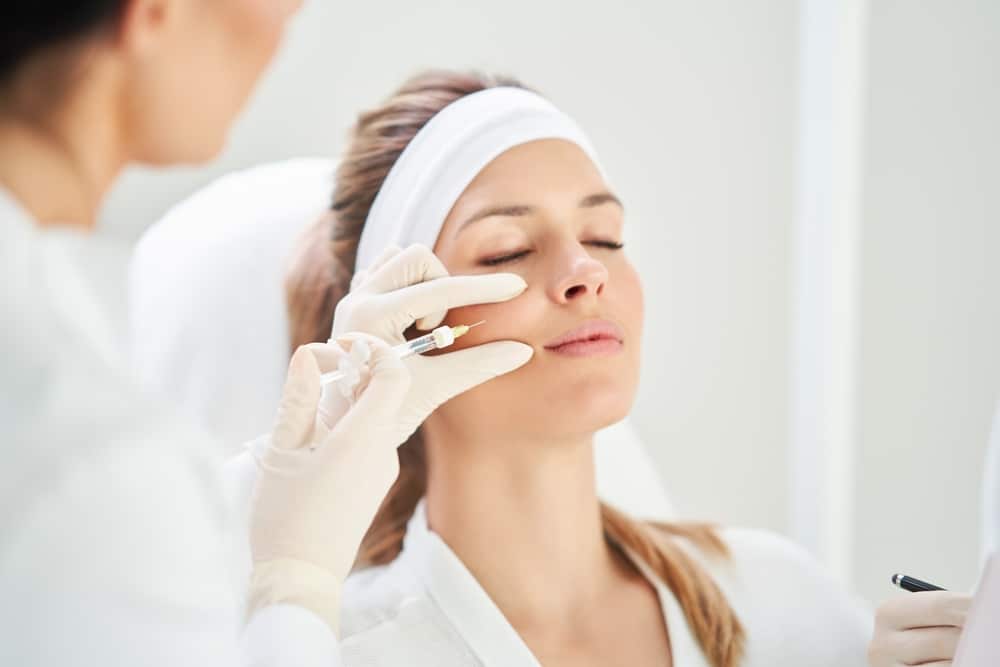
Targeted corticosteroid injections (commonly triamcinolone) can help flatten thick, raised scars by reducing inflammation and slowing excess collagen production. Treatments are typically spaced several weeks apart to gradually soften firmness and relieve itch or tenderness. Your surgeon will dose carefully to minimize risks like thinning or lightening of the skin, often combining steroids with silicone, laser, or microneedling for a more blended result.
5. Silicone Gel and Scar Tapes
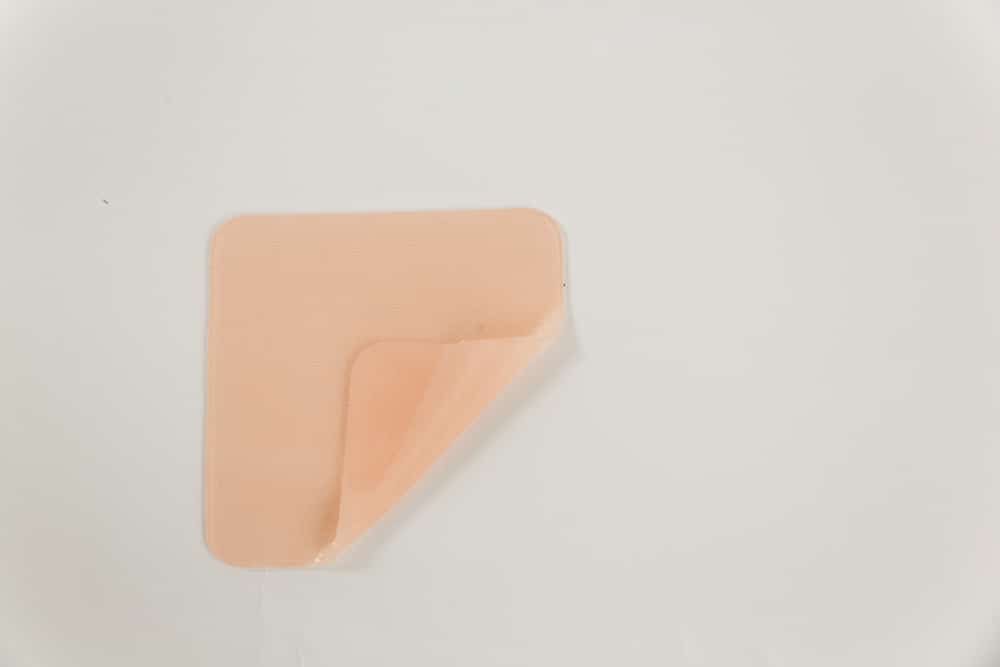
Silicone-based products are popular topical treatments that help flatten and hydrate scars while protecting the incision site. Many patients also pair these options with scar creams to encourage more even texture and support smoother healing over time. Consistent use can minimize thickness and discoloration, making silicone gels and tapes a convenient, low-maintenance tool in early and long-term scar care.
6. Good Post-Surgical Wound Care
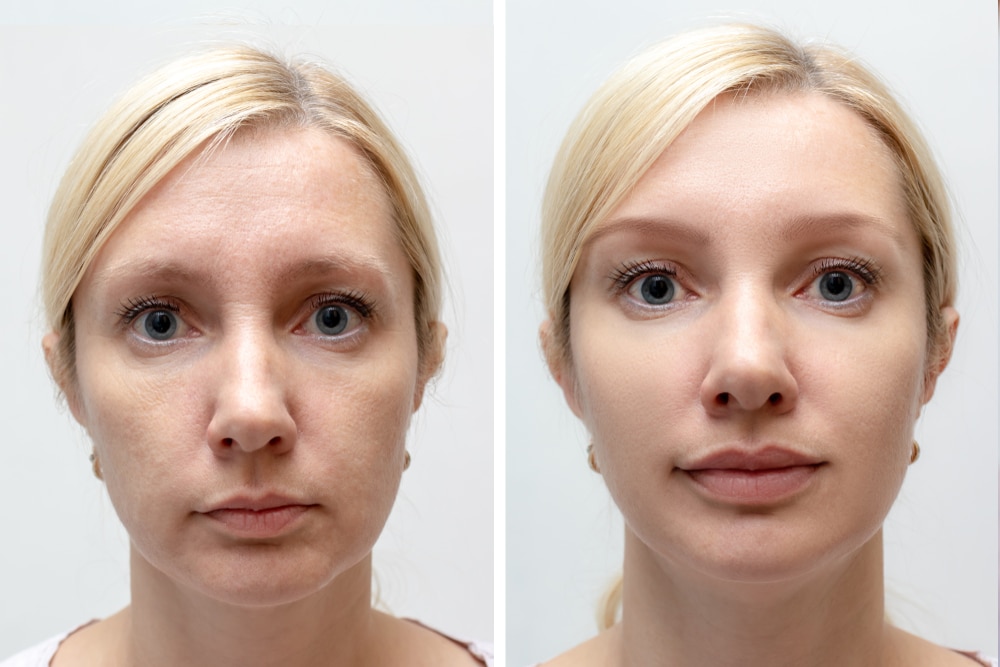
Consistent daily wound care supports the proper healing process and helps scars mature more predictably. Gentle cleansing and ointment as directed, light massage along the incision line once cleared by your surgeon, and strict sun protection (hat plus high-SPF) can reduce redness and texture changes. If desired, fragrance-free makeup may help conceal pinkness during early healing. Following instructions closely—and avoiding tension or picking—keeps progress steady and minimizes long-term visibility.

Philadelphia’s Premier Double Board Certified Facial Plastic Surgeon & Rhinoplasty Specialist.
Dr. Lozada is a facial sculpting expert who can help you achieve your desired aesthetic results.

Lip Lift Revision Surgery – When Is It Necessary?
A scar revision surgery may be recommended when conservative treatments fail to improve the appearance, texture, or comfort of the scar left from a previous lip lift. In some cases, the incision may have healed with excess thickness, discoloration, or asymmetry that affects both confidence and lip contour. Revision surgery can help refine the area, correct tissue irregularities, and restore a more balanced look.
Before moving forward, it’s essential to consult with a qualified facial plastic or reconstructive surgeon. An expert evaluation helps determine whether revision is truly necessary or if less invasive options could deliver lasting benefits. During consultation, your surgeon will assess scar maturity, tissue quality, and aesthetic goals to create a realistic, individualized treatment plan.
Contact an Expert Plastic Surgeon for Your Scar Revision
Choosing a highly trained facial plastic surgeon matters. Scar behavior is nuanced, and an expert in facial plastic surgery and reconstructive surgery understands lip anatomy, tension lines, and advanced surgical techniques to refine the incision and optimize healing. The goal is harmony—enhancing definition while minimizing visibility—especially for patients who’ve had prior lip augmentation procedures.
At Dr. Lozada’s practice, you’ll receive a thoughtful exam, customized plan, and modern, minimally disruptive solutions. Dr. Kirk Lozada is double board-certified in Facial Plastic Surgery and Head & Neck Surgery, an AAFPRS member, and widely published. If you’re considering surgical or non-surgical lip lift scar revision, facelift, or any type of surgery for your face, we’d love to help—call 267-817-4600 or visit our contact page to schedule a consultation.