



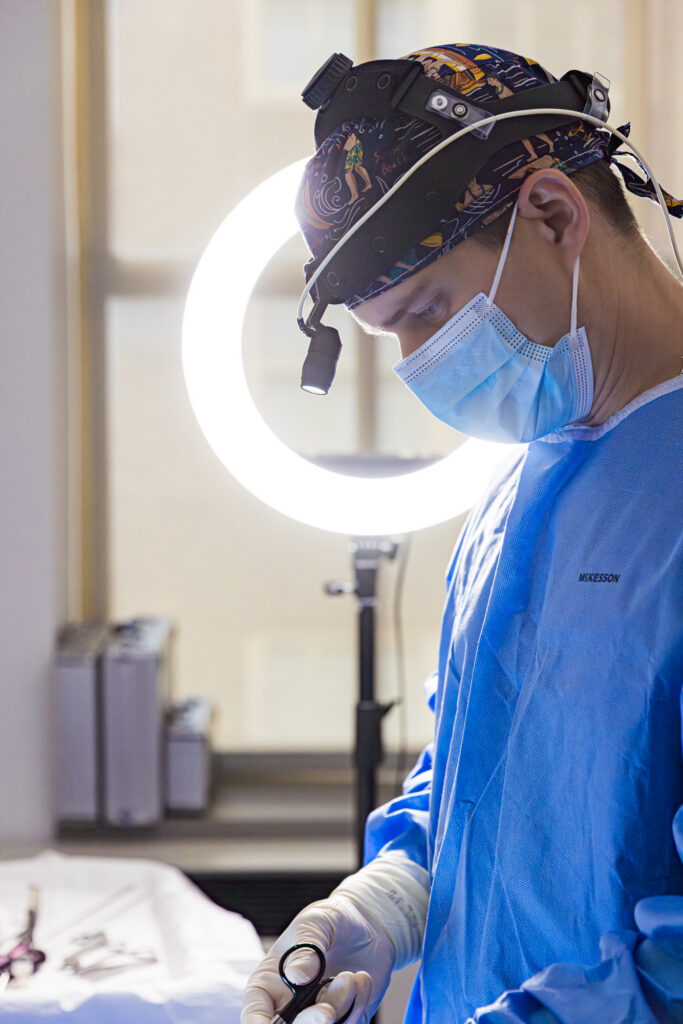
Doctors perform the procedure while you’re under local anesthesia. You’ll go home the same day, with mild swelling or bruising beginning shortly after.
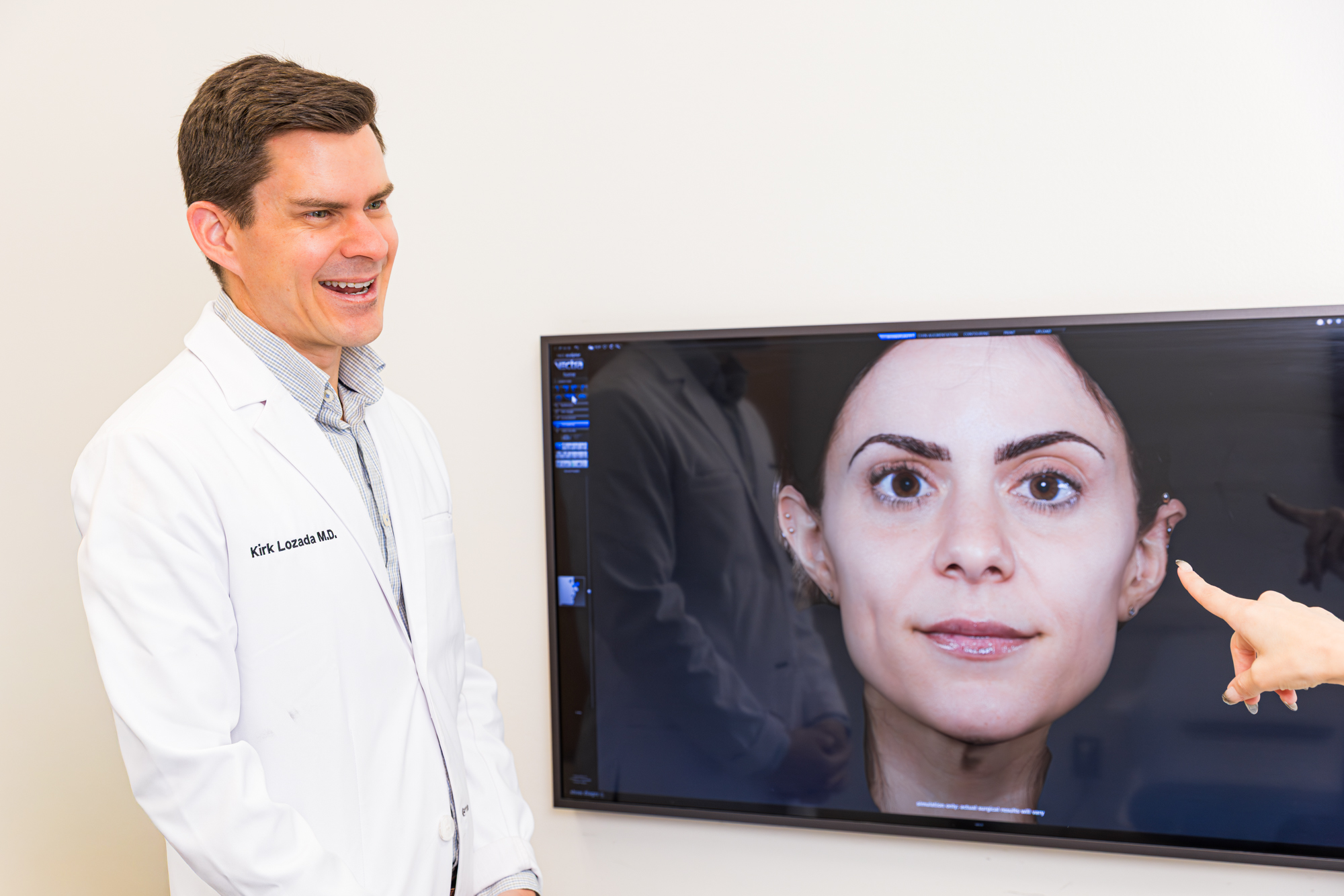
Facial Fat Grafting Philadelphia
Get Back to Feeling Like You
Embrace the power of natural transformation with facial fat grafting, an advanced technique that revitalizes your facial appearance using your body’s own resources.
Consultation Required?
Yes
Performed By
Dr. Kirk Lozada
Procedure Length
30 to 60 Minutes
Recovery Time
3 to 5 Days
What It Treats
- Hollow cheeks
- Under-eye volume loss
- Temple hollowing
- Facial deflation
Understanding Fat Grafting
Facial fat grafting is a procedure that uses the patient’s own fat cells to replace volume lost during aging, thereby rejuvenating their overall appearance.
Why Volume Matters
Aging isn’t just about skin. Bone recedes, fat diminishes, and tissues shift downward. Replacing lost volume is one of the most effective ways to restore balance and soften signs of aging.
Your Natural Tissue
Fat grafting uses your own fat—typically from the abdomen or thighs—to restore facial volume. Because it’s your tissue, the result integrates naturally and avoids the limitations of synthetic materials.
Strategic Placement
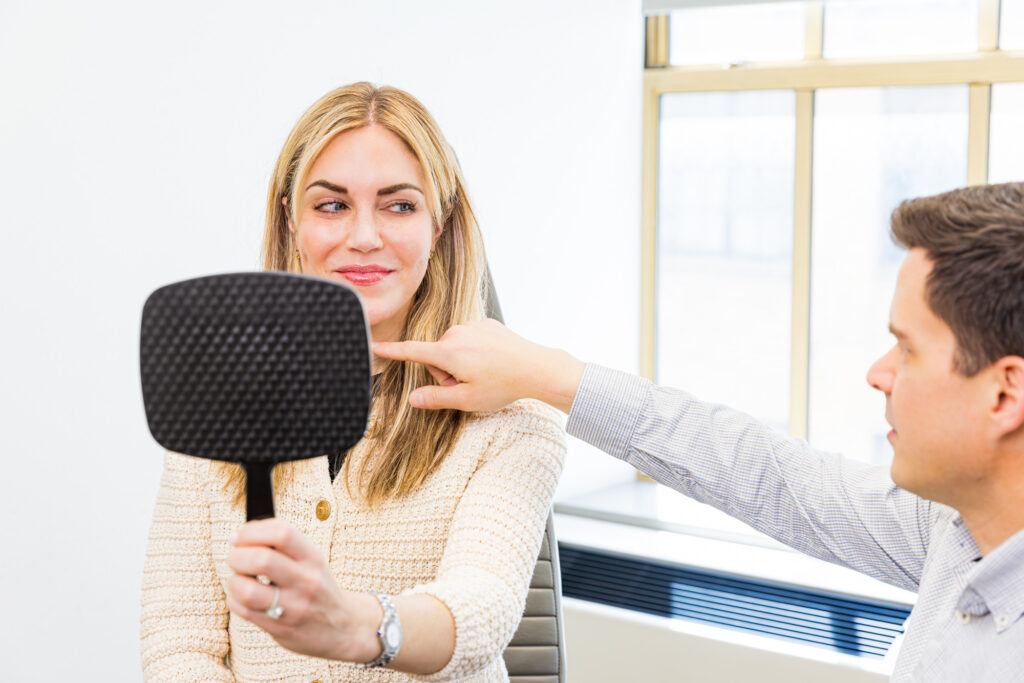
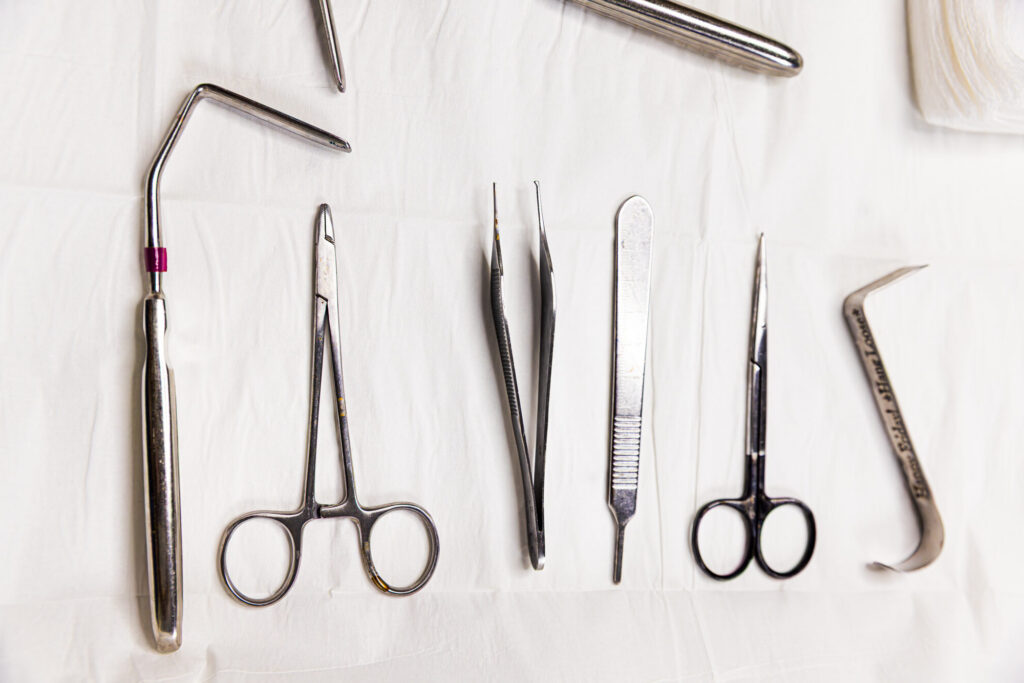
The doctor carefully processes and injects fat into areas like the under-eyes, cheeks, or jawline. Each placement is intentional, designed to rebuild structure rather than simply add fullness.
Benefits and Outcomes
Subtle, Natural Radiance
Results take time to settle in, so the refinements appear as a refreshed, more rested version of you.
Sculpted Where It Counts
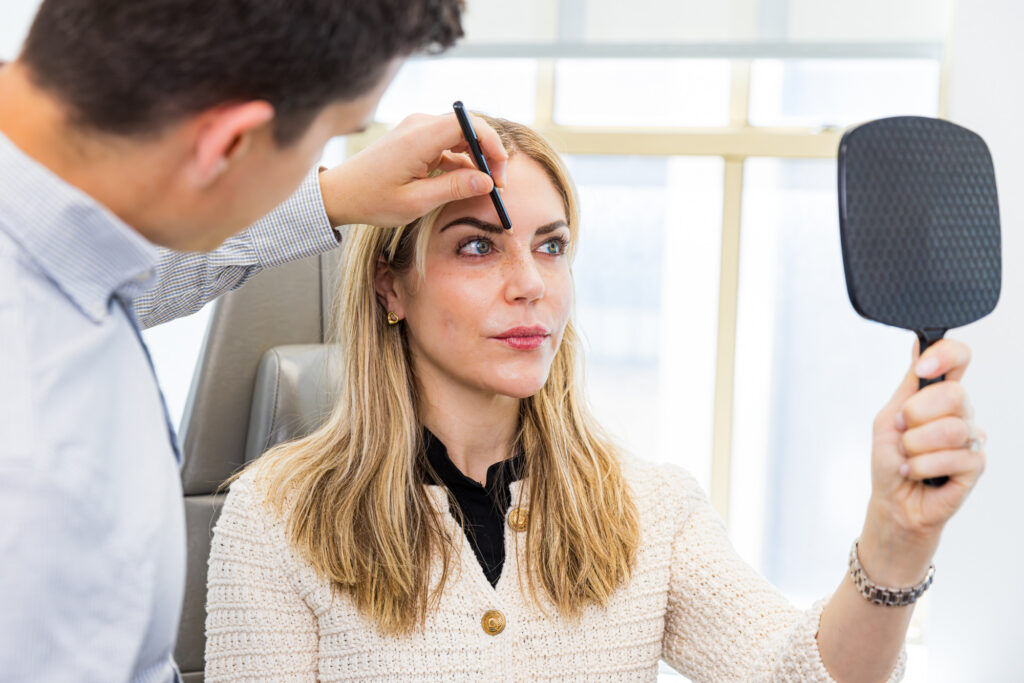
Dr. Lozada precisely places fat in areas like the under-eyes, temples, and cheeks, targeting the specific spots where aging tends to show first.
A Longer-Term Investment
The fat that survives the transfer integrates as living tissue, aging naturally with your face rather than requiring ongoing appointments to maintain.
Dr. Lozada’s Approach
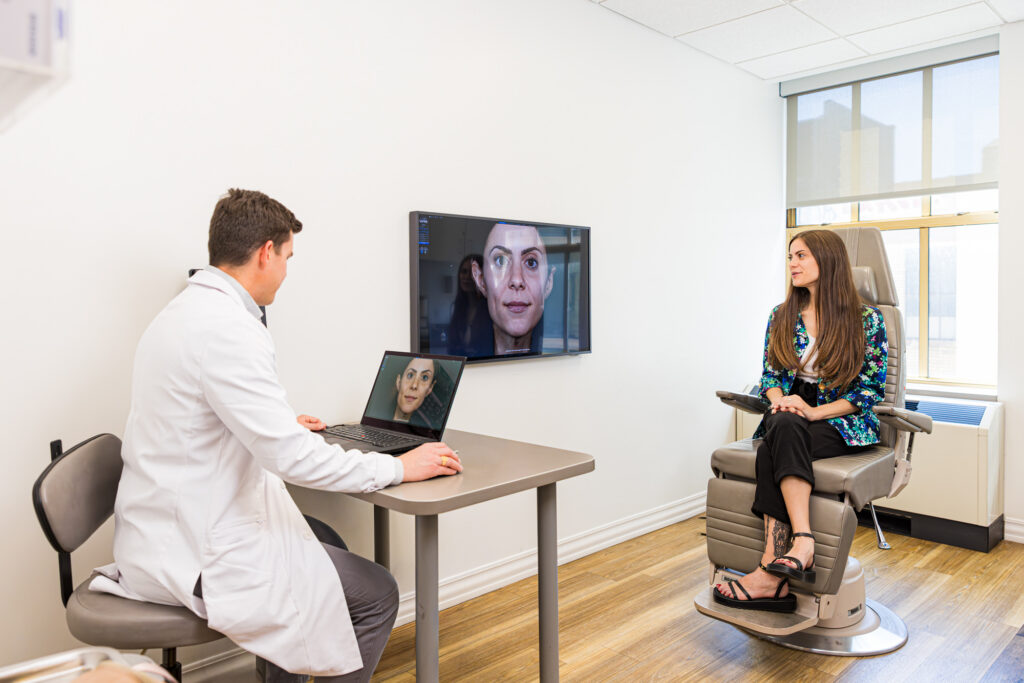
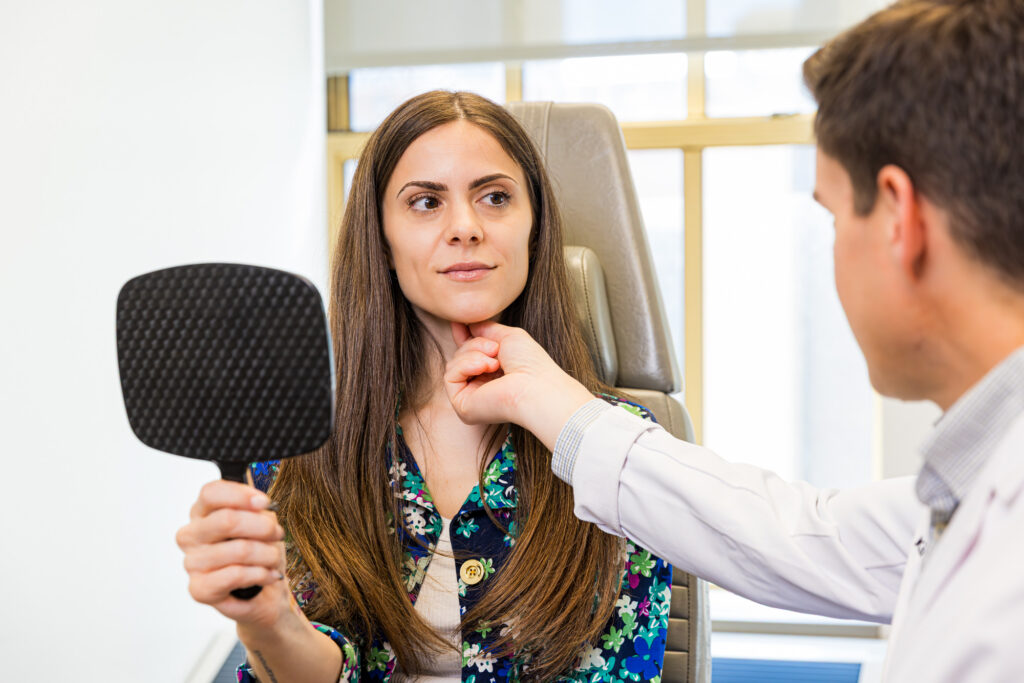
Dr. Lozada, a double board-certified facial plastic surgeon, approaches fat grafting by focusing on volume loss. Rather than defaulting to one solution, he evaluates whether fat, filler, or a combination makes the most sense. When Dr. Lozada chooses facial fat grafting, he uses it strategically to restore balance and create a natural, cohesive result at his office in Philadelphia.
The Surgical Process
Fat Harvesting
1
Your surgeon will gently collect fat from areas like the abdomen or thighs using a minimally invasive technique designed to preserve healthy, viable fat cells.
Fat Processing
2
They purify and refine the harvested fat into a usable form. This step prepares the cells for transfer and helps ensure optimal quality for reinjection.
Strategic Placement
3
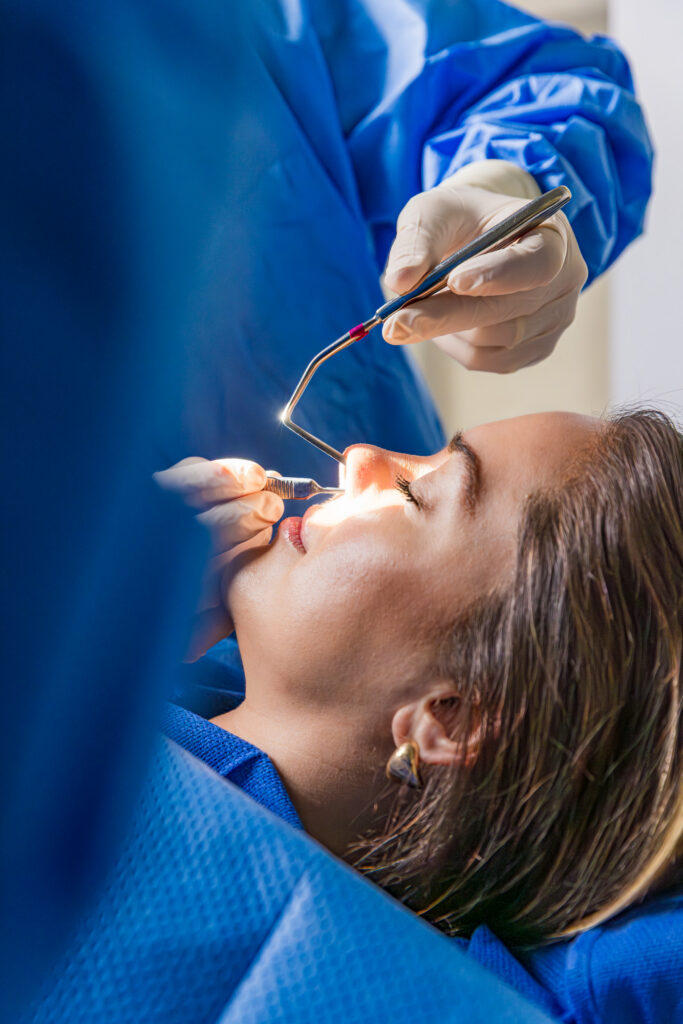
The doctor carefully processes and injects fat into targeted areas of volume loss. Each placement is intentional, designed to rebuild structure rather than simply add fullness.
Precise Injection
4
Using small cannulas, surgeons strategically place fat into areas like the temples, under-eyes, and mid-cheek to restore structure and balance where it’s needed most.
Recovery & Healing
5
Expect mild swelling and bruising. As the body heals, the remaining fat integrates naturally, and your results gradually settle into a softer, more refined appearance.
Swelling and bruising are most noticeable early, then improve over several days. Most patients feel comfortable returning to normal routines within 3 to 7 days.
Swelling continues to resolve, and early results begin to take shape. You should avoid strenuous activity for 1 to 2 weeks.
As swelling subsides and the remaining fat stabilizes, results settle into a natural, long-term improvement that continues to refine over time.


Related Treatments
Frequently Asked Questions
Fat grafting and dermal fillers both restore volume, but they serve different purposes. Fillers are temporary and can be a great way to test changes or make small adjustments. Fat grafting uses your own tissue and offers a longer-lasting result, making it a better option for patients seeking more permanent volume restoration.
The right choice depends on your anatomy, goals, and how long you want your results to last. During your consultation, Dr. Lozada will help you decide whether facial fat grafting in Philadelphia or a filler-based approach is the better fit for you.
Yes, we often perform facial fat grafting alongside procedures like blepharoplasty or facelifts. While lifting procedures address skin laxity, they do not replace lost volume. Fat grafting helps restore that volume, creating a more complete and balanced result.
In many cases, combining treatments leads to a more natural outcome because each procedure addresses a different aspect of aging. This is a common approach for patients considering fat transfer for the face Philadelphia as part of a broader facial rejuvenation plan.
You’ll notice improvement as early swelling begins to settle, but final results can be seen in 1 to 2 weeks. During this time, swelling resolves, and your body will naturally absorb some of the transferred fat.
By around 2 to 3 months, the remaining fat stabilizes, and your results become more consistent. From there, your outcome continues to refine subtly. Patients choosing facial fat grafting in Philadelphia at Lozada Facial Plastic Surgery should expect a gradual improvement rather than an immediate, dramatic change.
Ready to Move Forward?
Whether you’re exploring surgical options or considering nonsurgical refinement, start with the path that feels right. Use our planning tool for direction or schedule a consultation to speak directly with our team.