




You can expect swelling and discomfort early on. Cold compresses and prescribed medication help manage both as your body begins to heal.

Buccal Fat Removal Philadelphia
Buccal Fat Removal Philadelphia
Buccal fat removal is the subtle art of perfecting facial contours, creating a sleek and harmonious look.
Consultation Required?
Yes
Performed By
Dr. Kirk Lozada
Procedure Length
30 to 60 Minutes
Recovery Time
1 to 2 Weeks
What It Treats
- Full cheeks
- Rounded face
- Soft contours
- Cheek fullness
What Buccal Fat Removal Is
By targeting the excess fat in the cheeks, this procedure can highlight your natural beauty in a way that’s both youthful and sophisticated.
Buccal Fat Location
The buccal fat pad sits deep within the cheek and can create lower cheek fullness. Some patients notice this as “chubby cheeks” that remain even when the rest of the face looks lean.
What the Surgery Does
Buccal fat removal reduces the volume of this fat pad to slim the face from the cheekbones down toward the chin. The goal is to create a more visible, harmonious balance between your facial features.
Who It Helps
This procedure is best for patients with true buccal fullness in this region. Some people feel their face looks round, but the underlying cause may be cheek position or bone structure, not excess fat.
Before
After
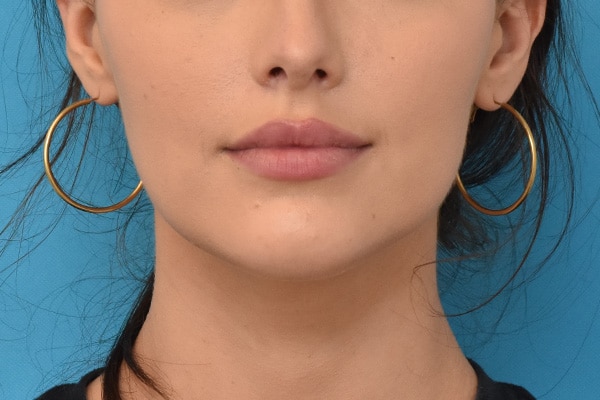

Before
After
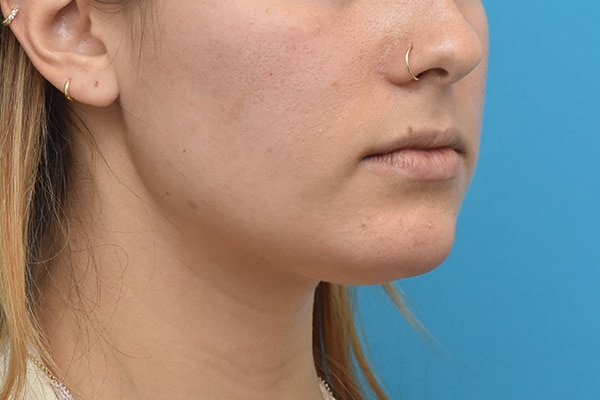
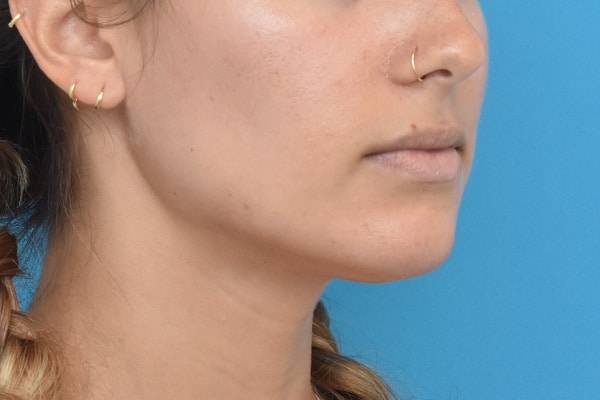
Before
After
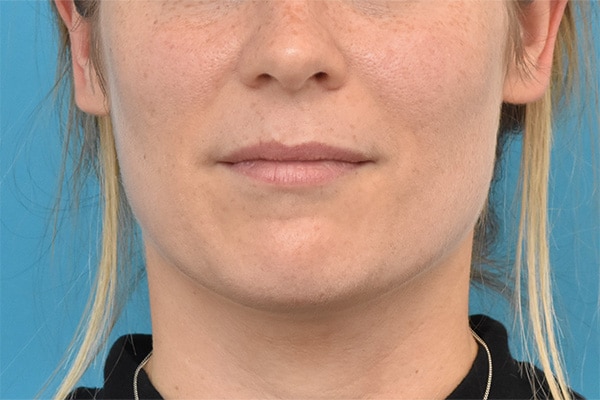
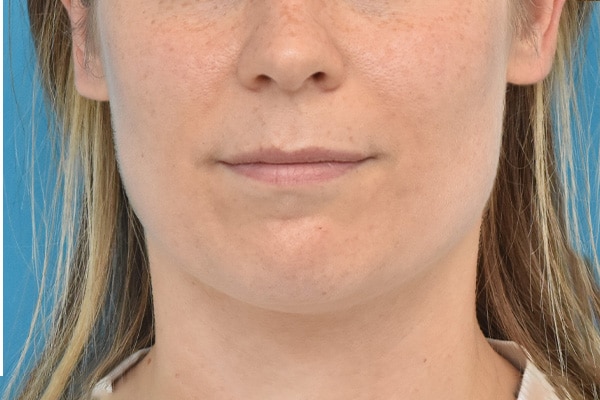
Before
After
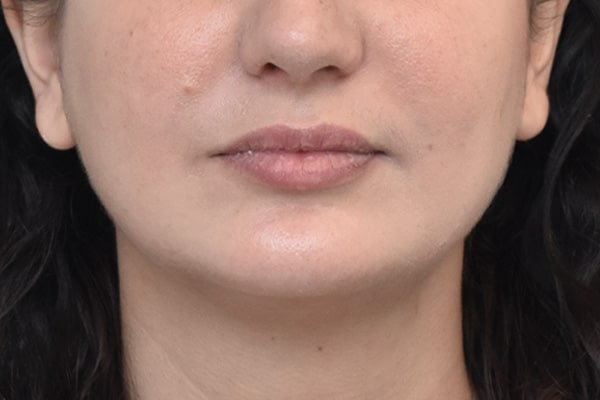
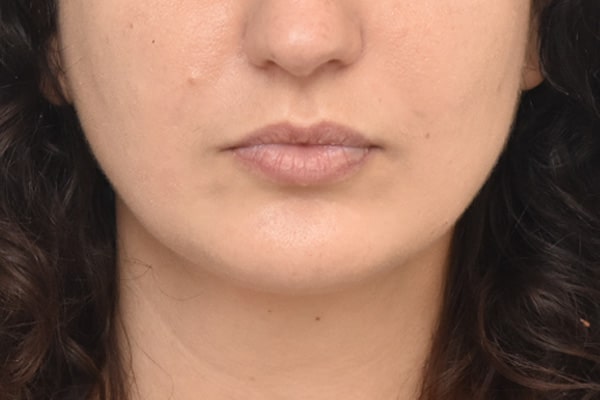
Before
After
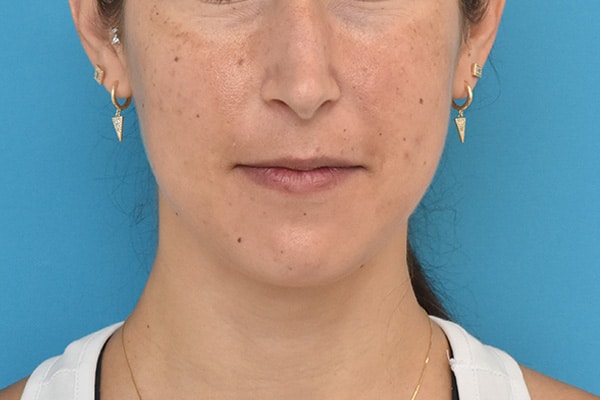
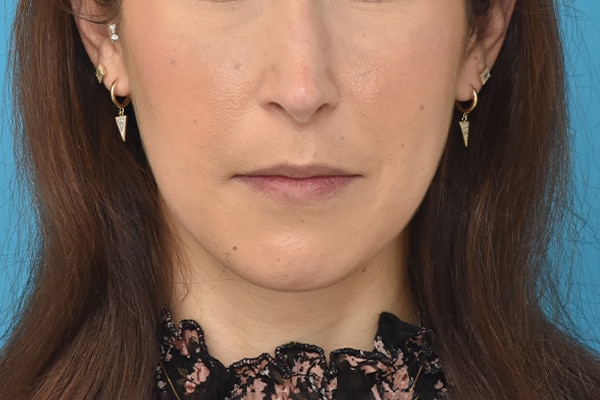
Before
After
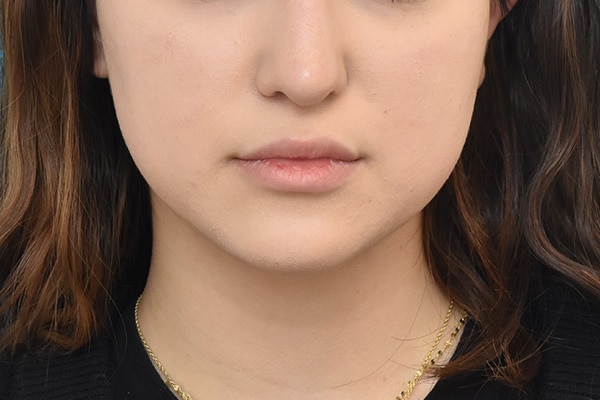
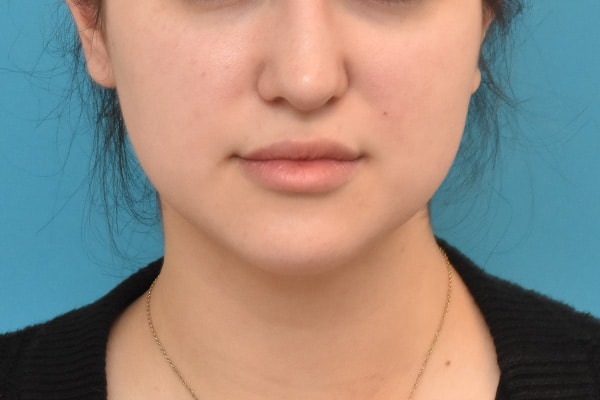
Before
After
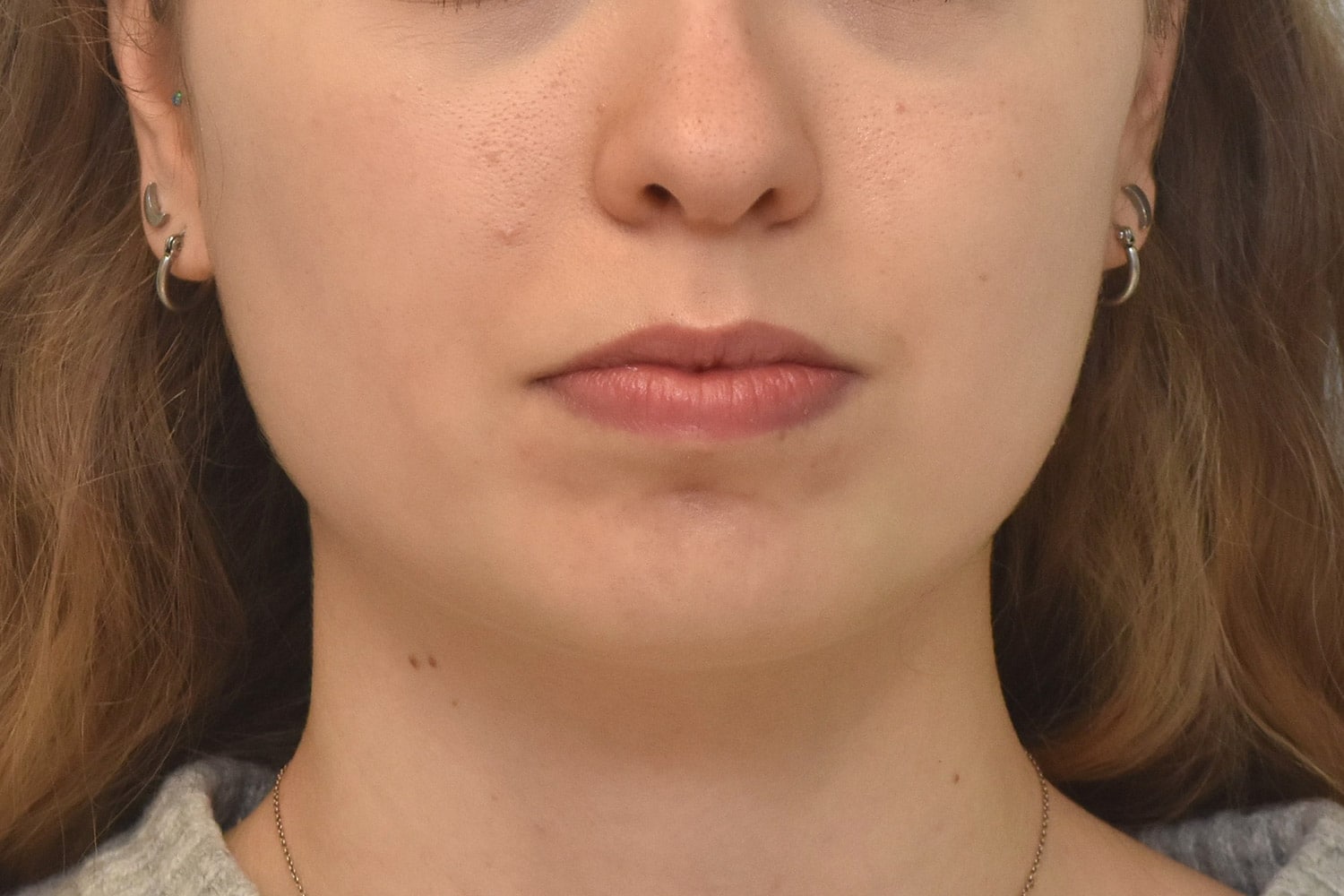
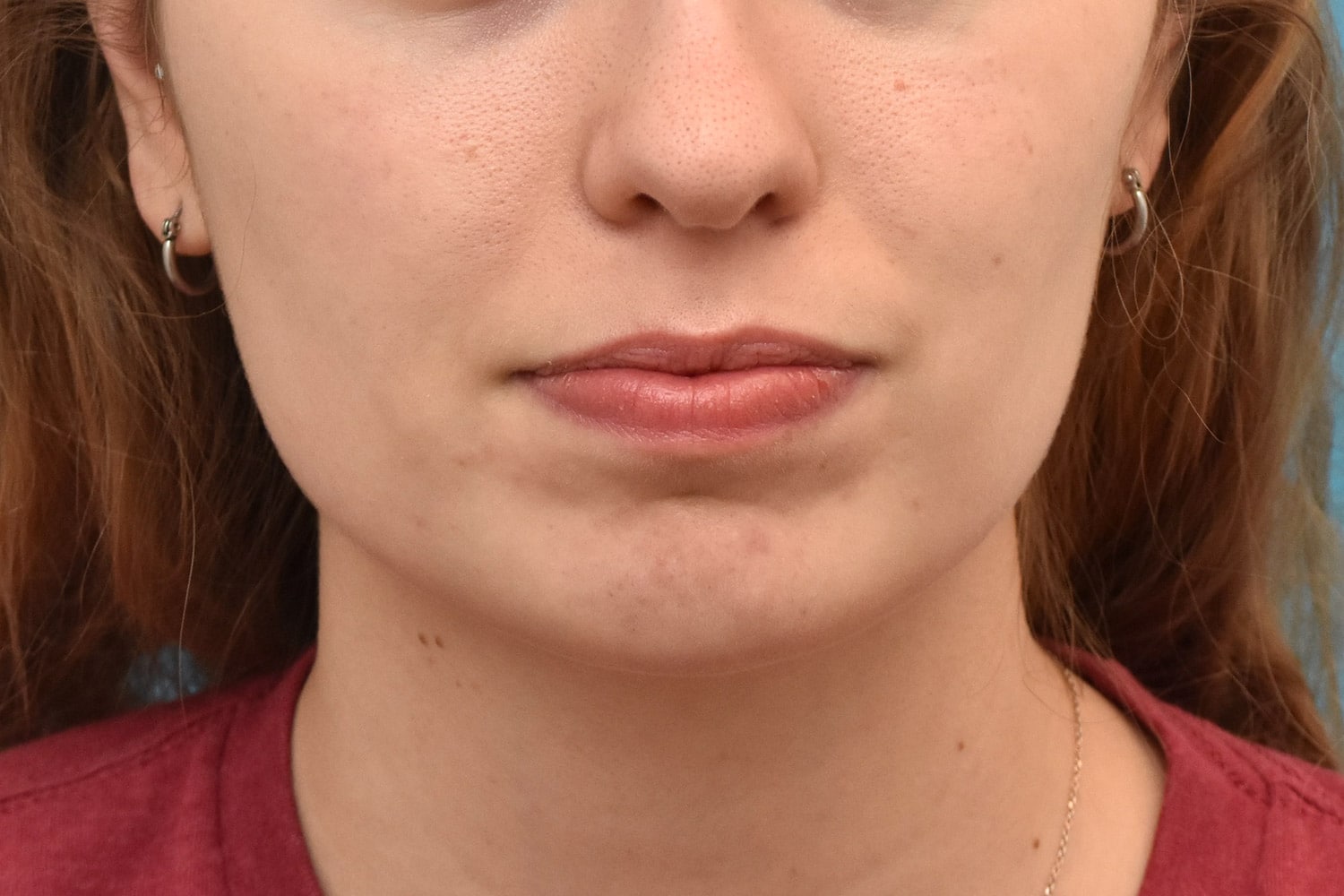
Real Patient Transformations
See how small refinements can create meaningful improvements.
Benefits of Treatment
More Visible Cheekbones
Rhinoplasty corrects structural issues in your nose for a smoother airflow and easier breathing. More than just cosmetic surgery, it enhances your quality of life.
A Leaner-Looking Face
Even a modest reduction in one targeted area can change how the entire face appears.
Permanent Results
Unlike fillers that fade or dissolve, buccal fat removal produces a lasting change that doesn't require retreatment or maintenance.
Confidence in How You Look
Most patients don't describe it as looking different—they describe finally looking like themselves. That's the outcome we're after.
Pairs Well With Other Treatments
Surgeons often combine buccal fat removal with procedures like a neck lift or chin implant for patients aiming to more broadly refine their lower face.
Dr. Lozada’s Approach
Dr. Lozada’s goal for every consultation is simple: you should leave knowing more than when you walked in. Before recommending buccal fat removal, he takes time to evaluate your full facial structure—bone position, cheek volume, and how the lower face relates to everything around it. For patients considering buccal fat removal in Philadelphia, he believes the right outcome depends on understanding the cause, not just treating symptoms.

The Surgical Process
Consultation and Evaluation
1
During consultation, Dr. Lozada evaluates your facial structure, cheek fullness, and goals to determine whether buccal fat removal will actually improve your contour.
Planning the Approach
2
If you’re a candidate, your plan will focus on how much volume to remove and how that change will affect balance across the rest of your face.
Intraoral Procedure
3
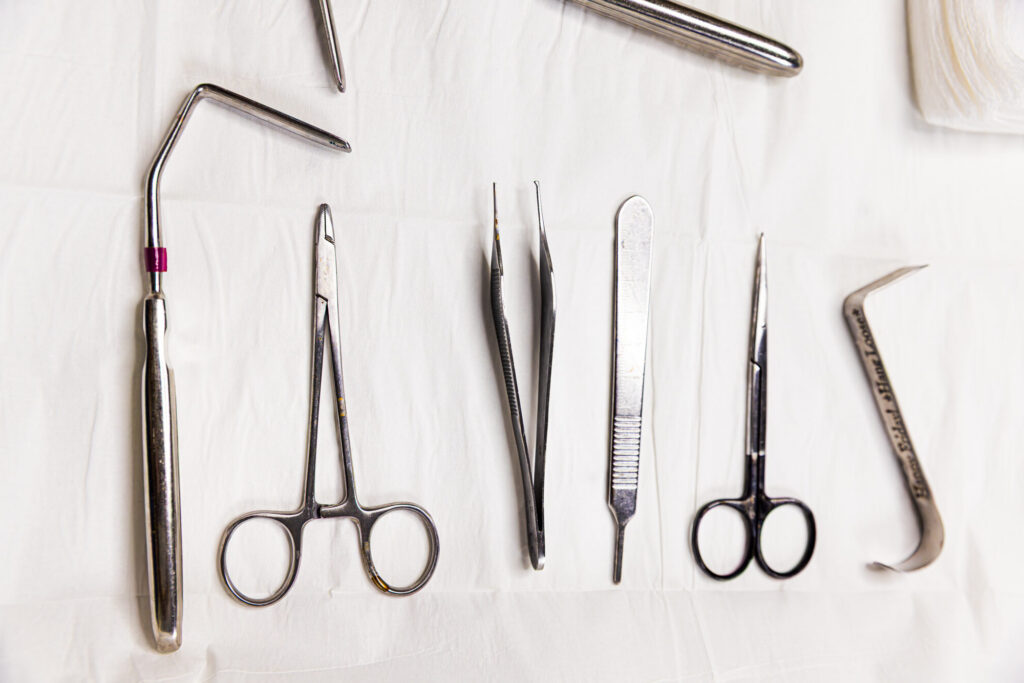
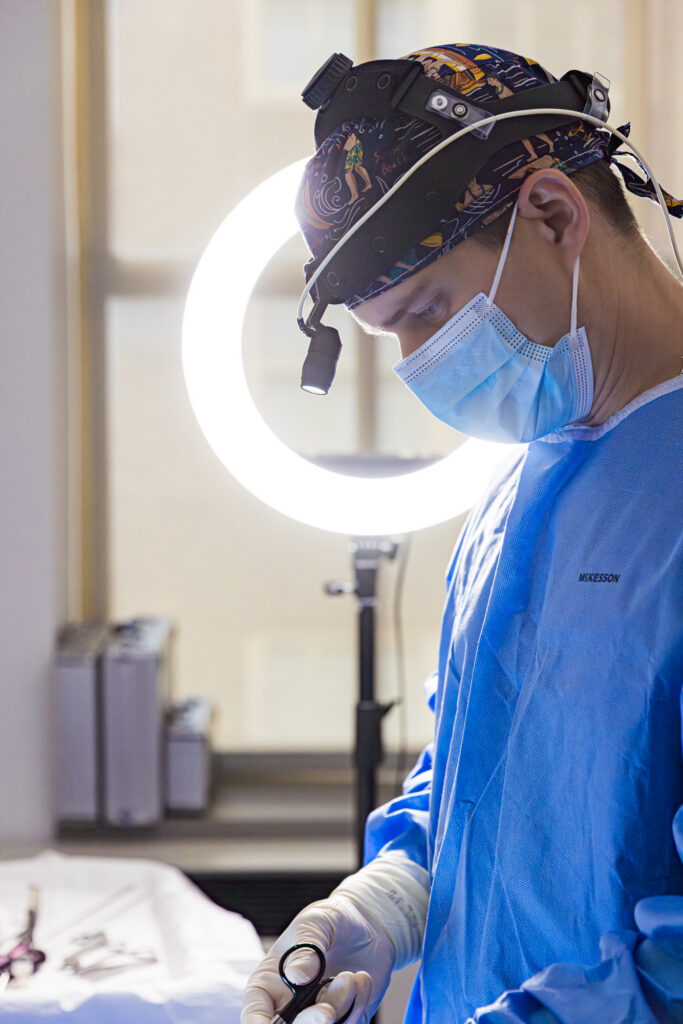
The surgeon makes a small incision inside the mouth, giving access to the buccal fat pad. They then carefully reduce the buccal fat pad to refine the lower cheek.
Precise Contouring
4
The goal is not simply removing fat, but shaping the cheek so the transition from cheekbone to jawline reads more clearly.
Early Recovery
5
After the procedure, you return home the same day with instructions to support healing as swelling develops and gradually settles.

A soft or liquid diet reduces strain on the cheeks. Avoid strenuous activity for at least one week to support proper healing.
Keeping your head elevated, including during sleep, helps reduce swelling. Limiting facial movement early on also protects the surgical area.
Most patients resume normal activity gradually after the first week, with continued guidance and follow-up visits to monitor healing.


Related Treatments

Frequently Asked Questions
Buccal fat is not the cause of every round or full face. In your consultation, Dr. Lozada evaluates cheekbone structure, fat distribution, and how your features relate before recommending surgery. For patients considering buccal fat removal in Philadelphia, this step ensures the change actually improves facial balance rather than flattening natural contours.
In some cases, doctors can adjust volume without surgery. Adding filler to the cheekbones can create more definition, while Botox in the masseter can slim the lower face. When true fullness sits in the buccal space, though, fat removal surgery in Philadelphia is often the only way to reduce that volume directly.
Early changes begin as swelling improves over the first couple of weeks, but the final contour develops more gradually. As the tissues settle, patients who undergo buccal fat removal in Philadelphia typically notice more definition over 3 to 6 months as the cheeks refine.
This procedure focuses on a specific fat pad in the cheek, not overall body weight. It’s designed to refine facial contours rather than reduce fullness everywhere. Patients considering fat removal services in Philadelphia should view it as a targeted structural change, not a substitute for weight loss.
Ready to Move Forward?
Whether you’re exploring surgical options or considering nonsurgical refinement, start with the path that feels right. Use our planning tool for direction or schedule a consultation to speak directly with our team.