



Patients can expect bruising and swelling during the first several days, and they usually rest at home while the face and neck begin to heal. Your doctor will typically remove sutures about one week after surgery.
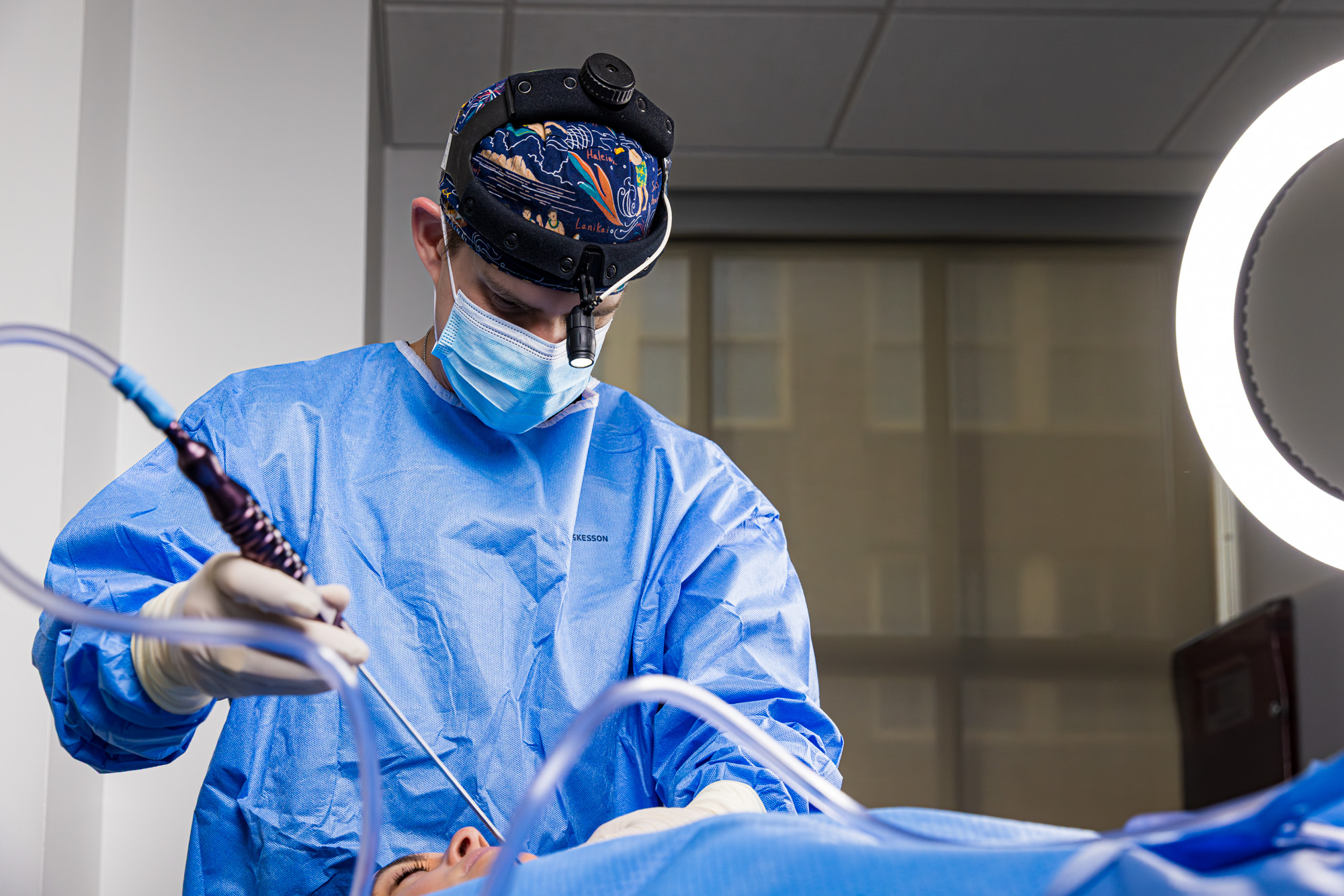
Philadelphia Facelift
Lift What Time Lowered
Facelift surgery—or a rhytidectomy—lifts and rejuvenates the lower face and neck, primarily to address excess skin.
Consultation Required?
Yes
Performed By
Dr. Kirk Lozada
Procedure Length
3 to 4 Hours
Recovery Time
2 to 3 Weeks
What It Treats
- Jowls
- Neck sagging
- Deep folds
- Facial laxity
Understanding Facelift Surgery
A facelift restores definition that softens with age. We tailor each procedure to your anatomy, so the result looks refreshed while preserving the features that make your face your own.
How Aging Changes the Face
Over time, skin loses elasticity and facial tissues shift downward. This leads to jowls, deeper folds around the nose and mouth, and sagging skin on the neck.
What a Facelift Corrects
Facelift surgery lifts and repositions deeper facial layers before redraping the skin. This restores smoother contours through the cheeks, jawline, and neck.
Facelift Techniques
Depending on your anatomy and goals, your doctor may recommend several approaches, including traditional facelift surgery, mini facelift procedures, and deeper structural techniques.
Planning Your Surgery
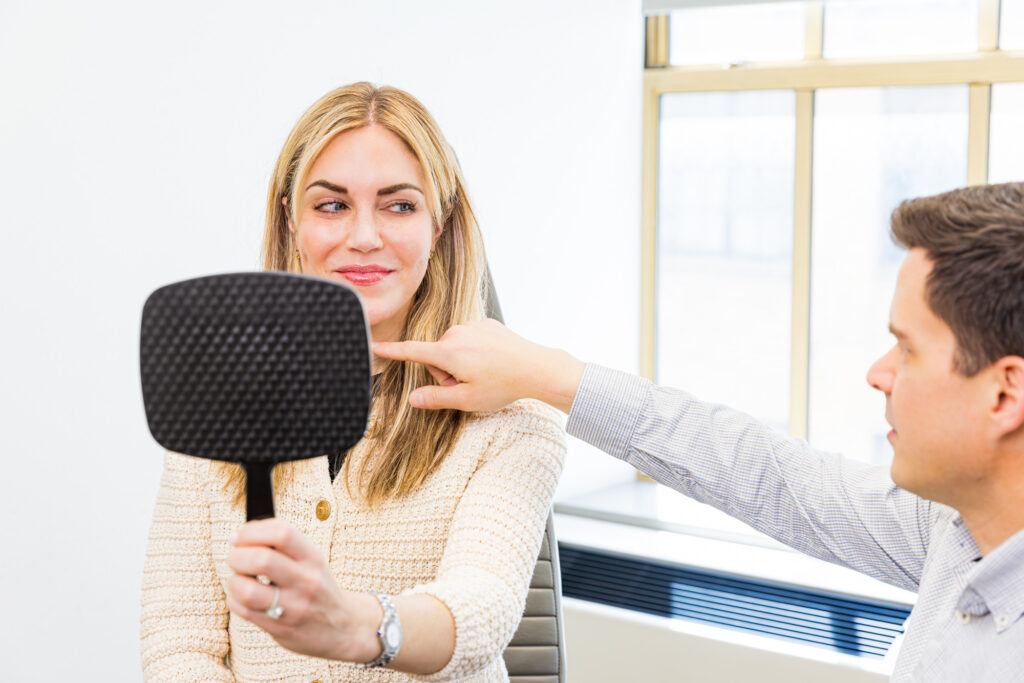
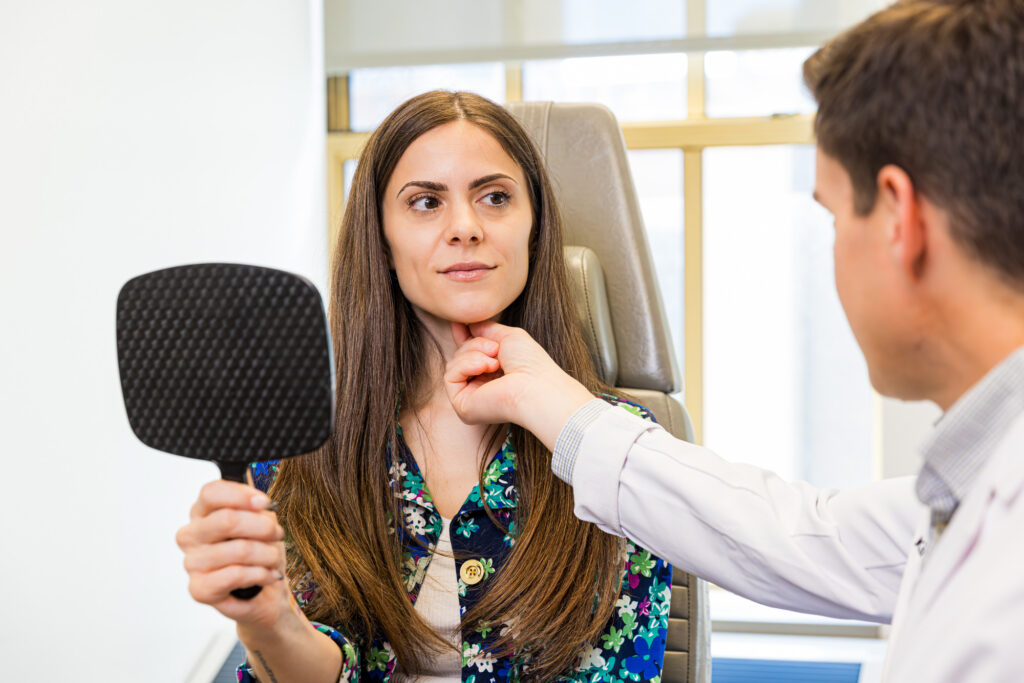
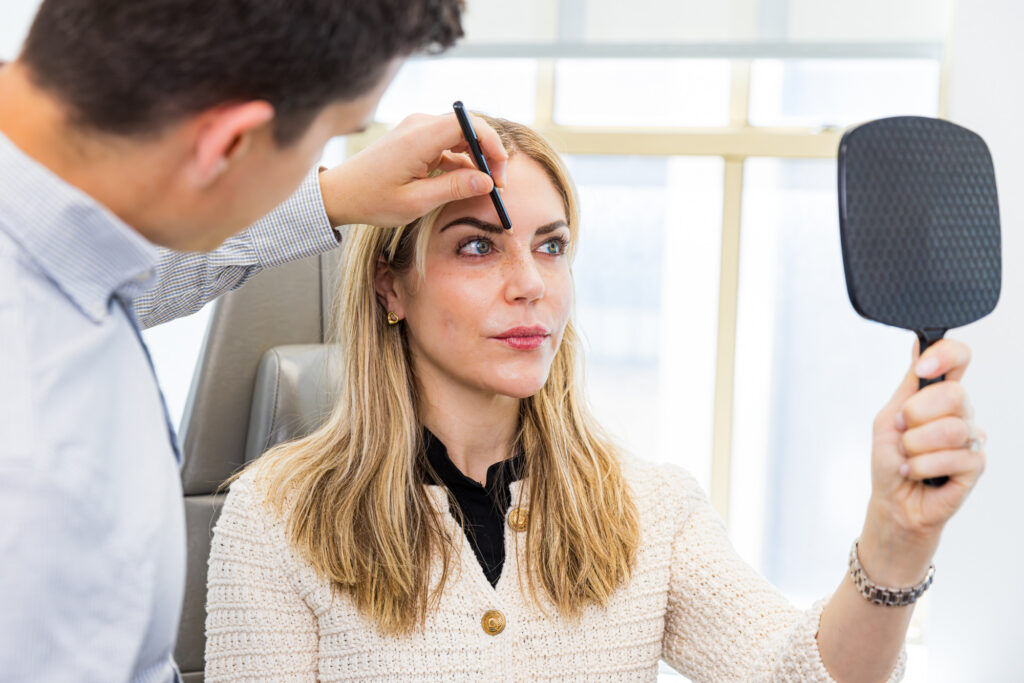
During consultation, Dr. Lozada evaluates skin elasticity, facial structure, and aging patterns to determine the most appropriate surgical approach.
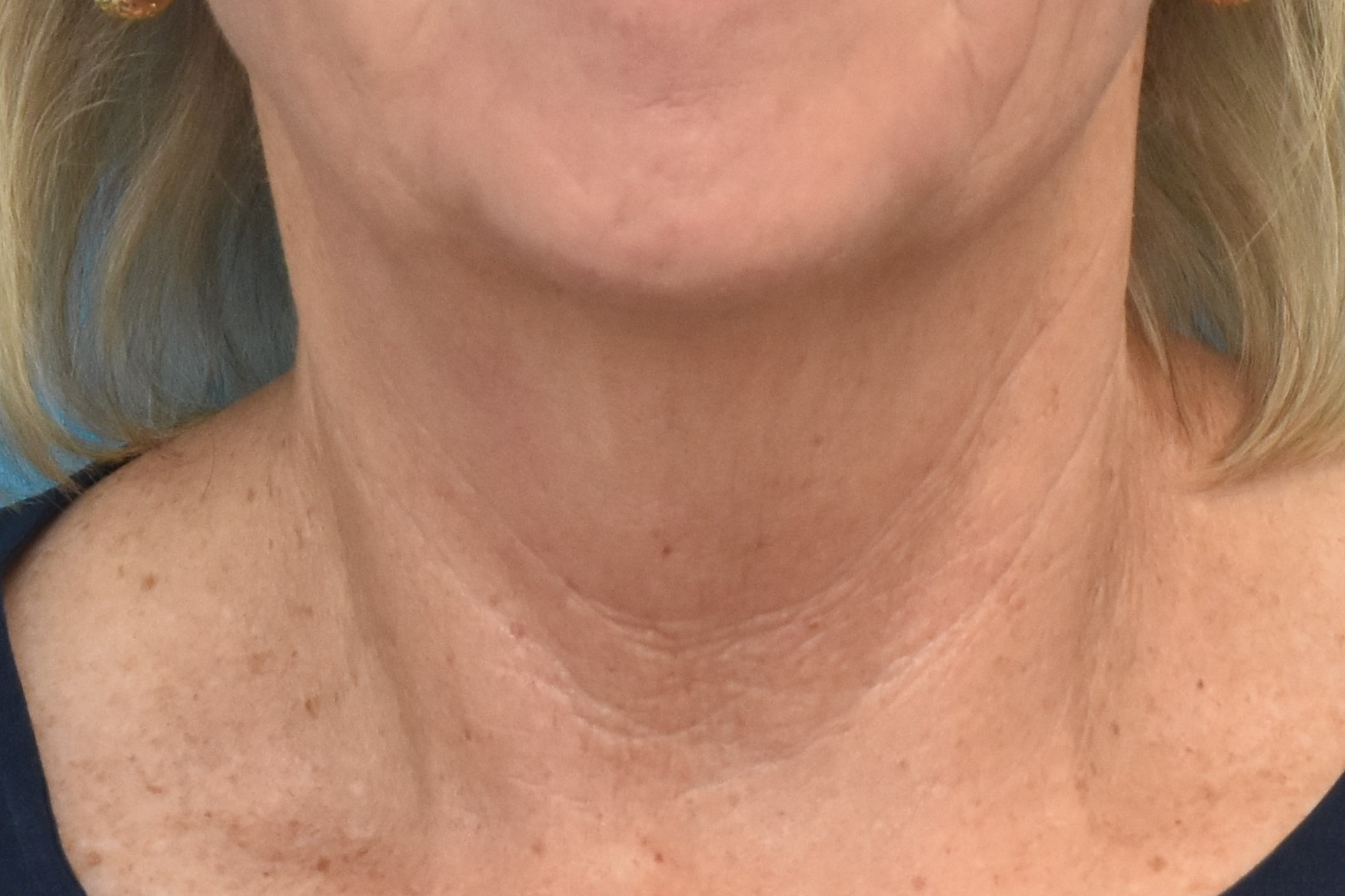
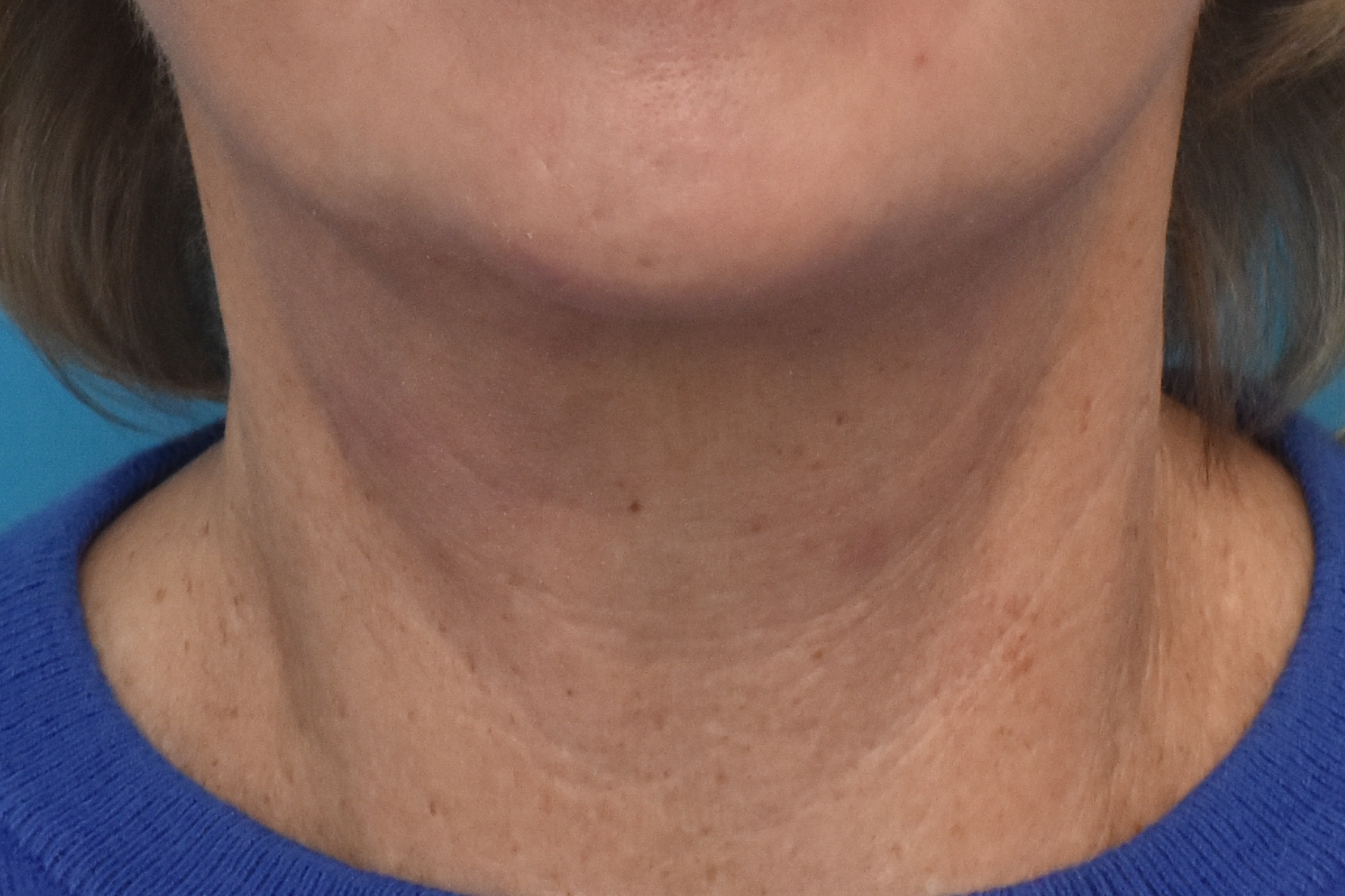
Before
After
Before
After
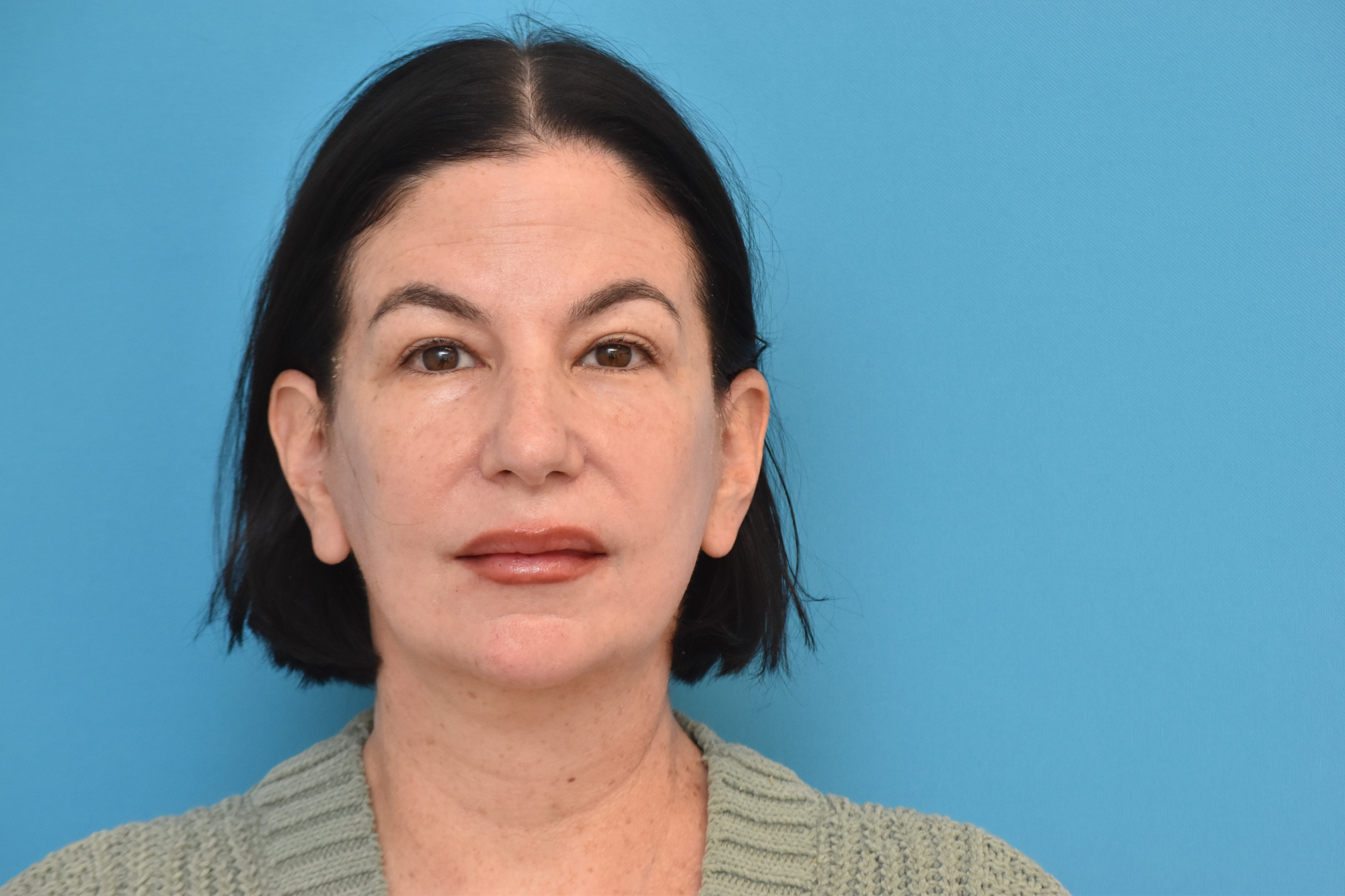
Before
After
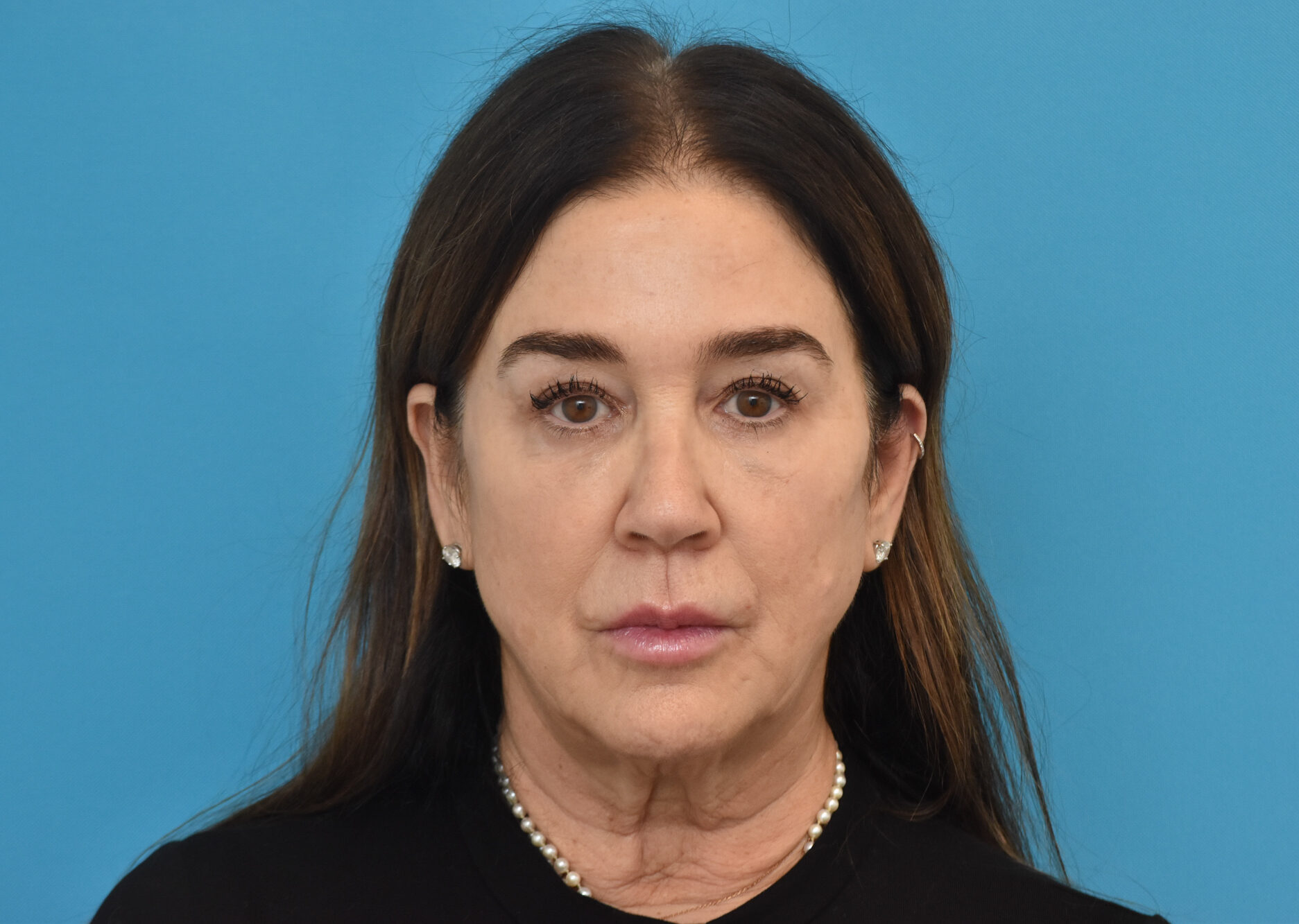
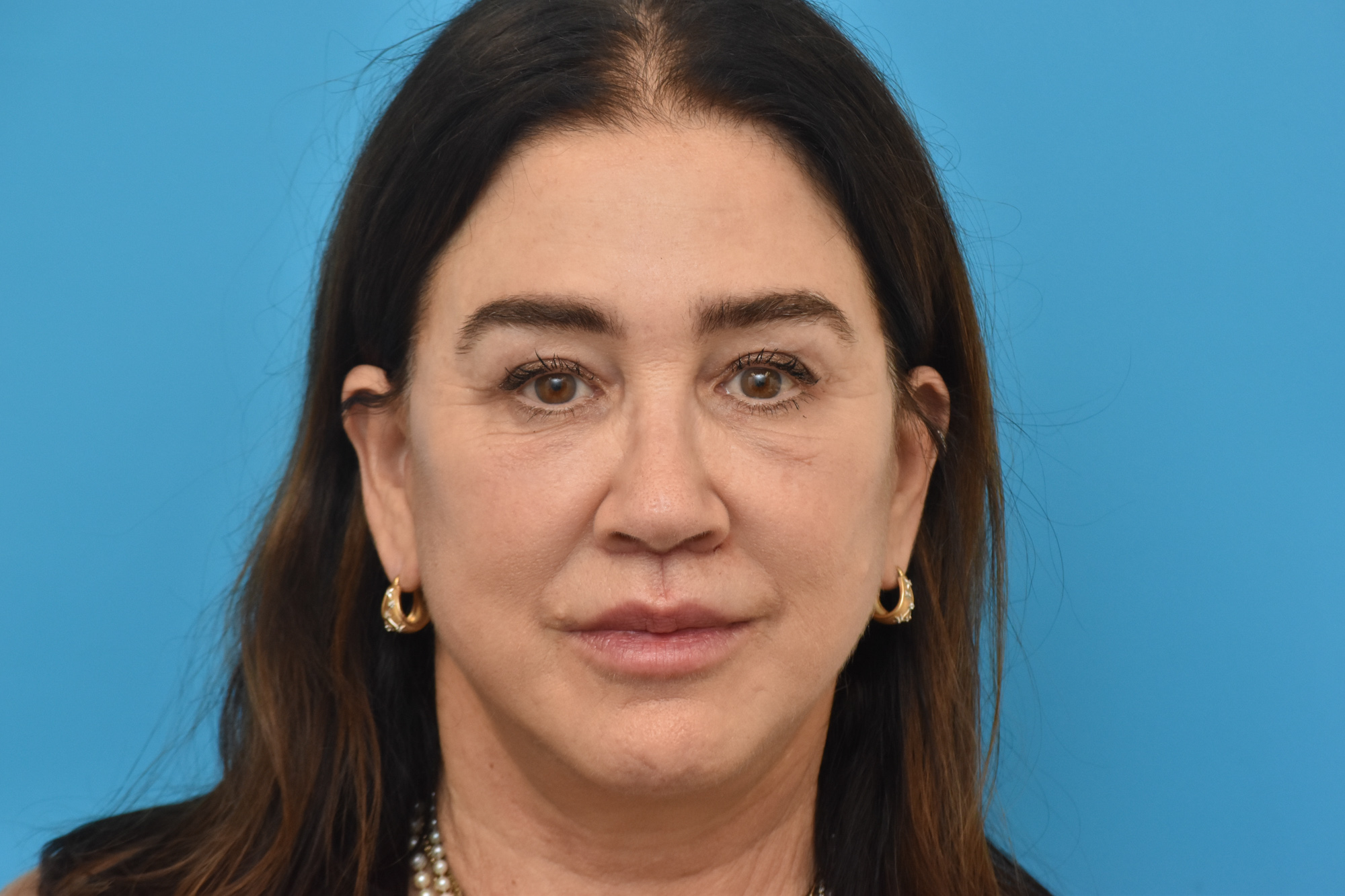
Before
After
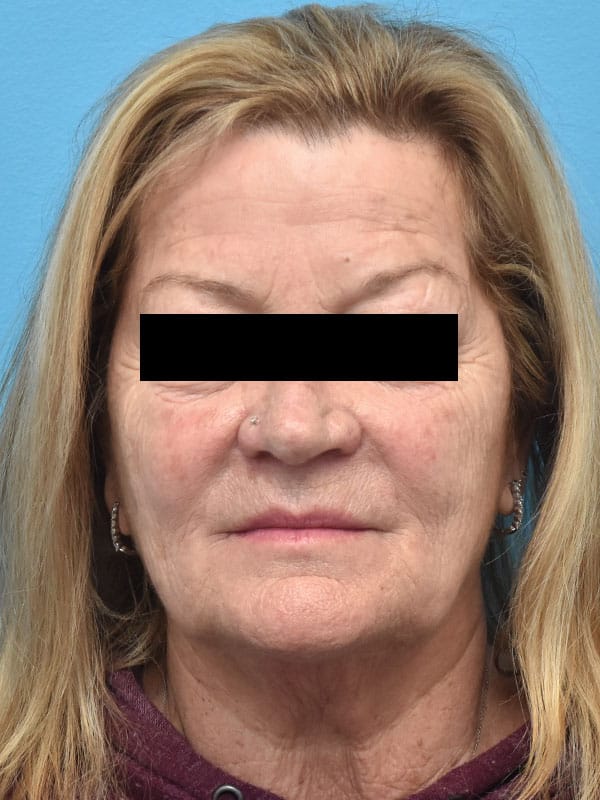
Before
After
Before
After
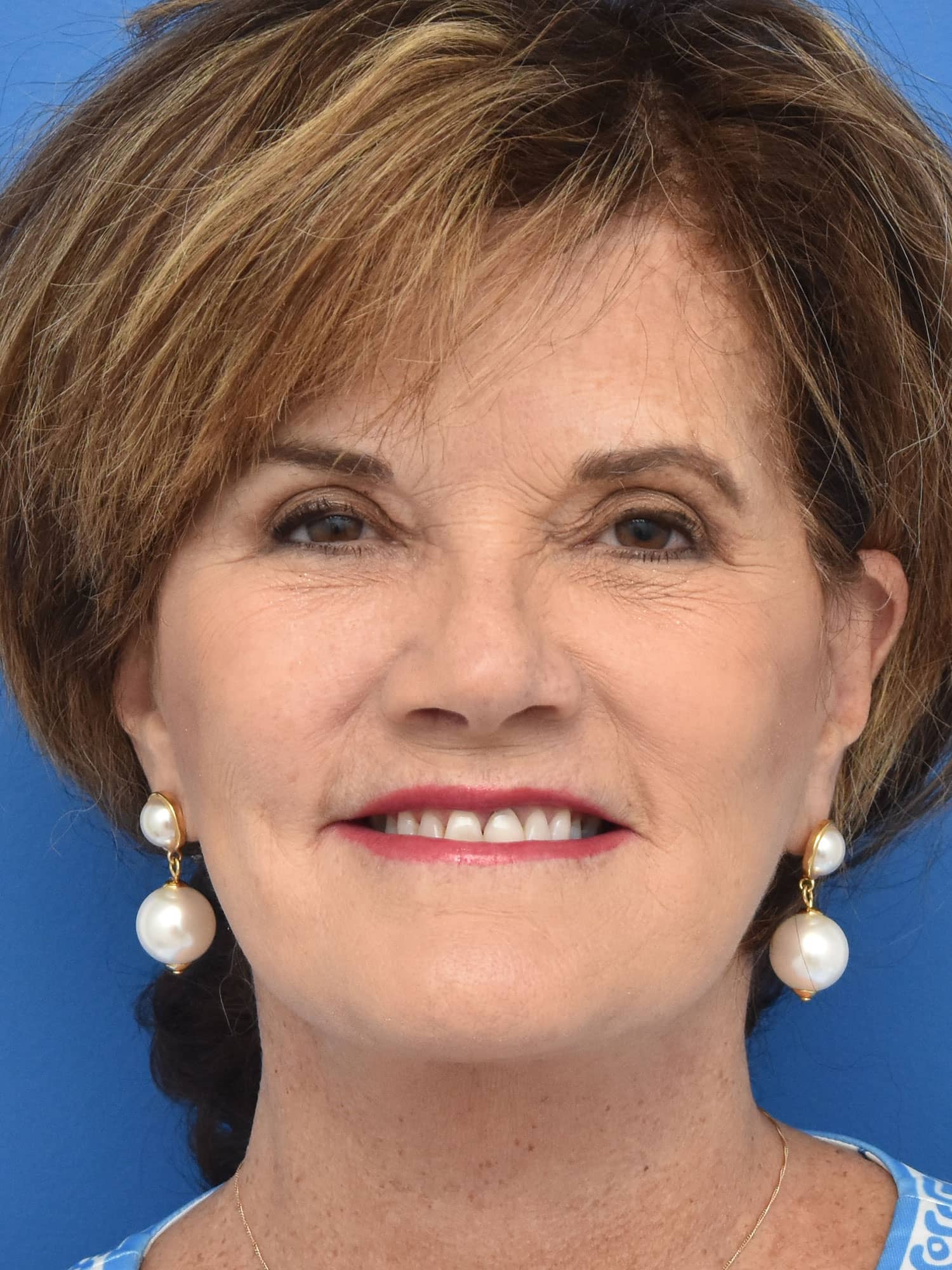
Before
After
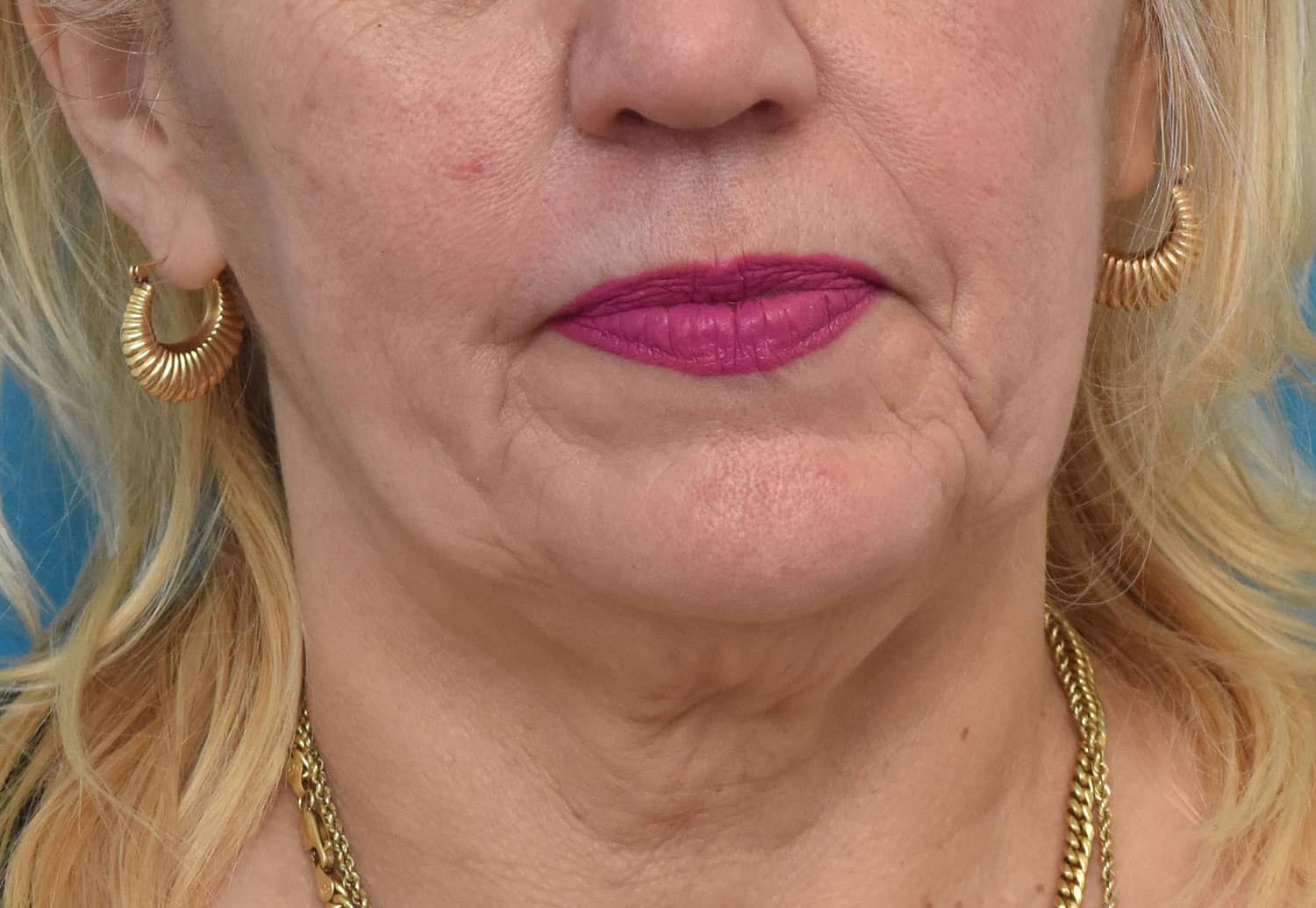
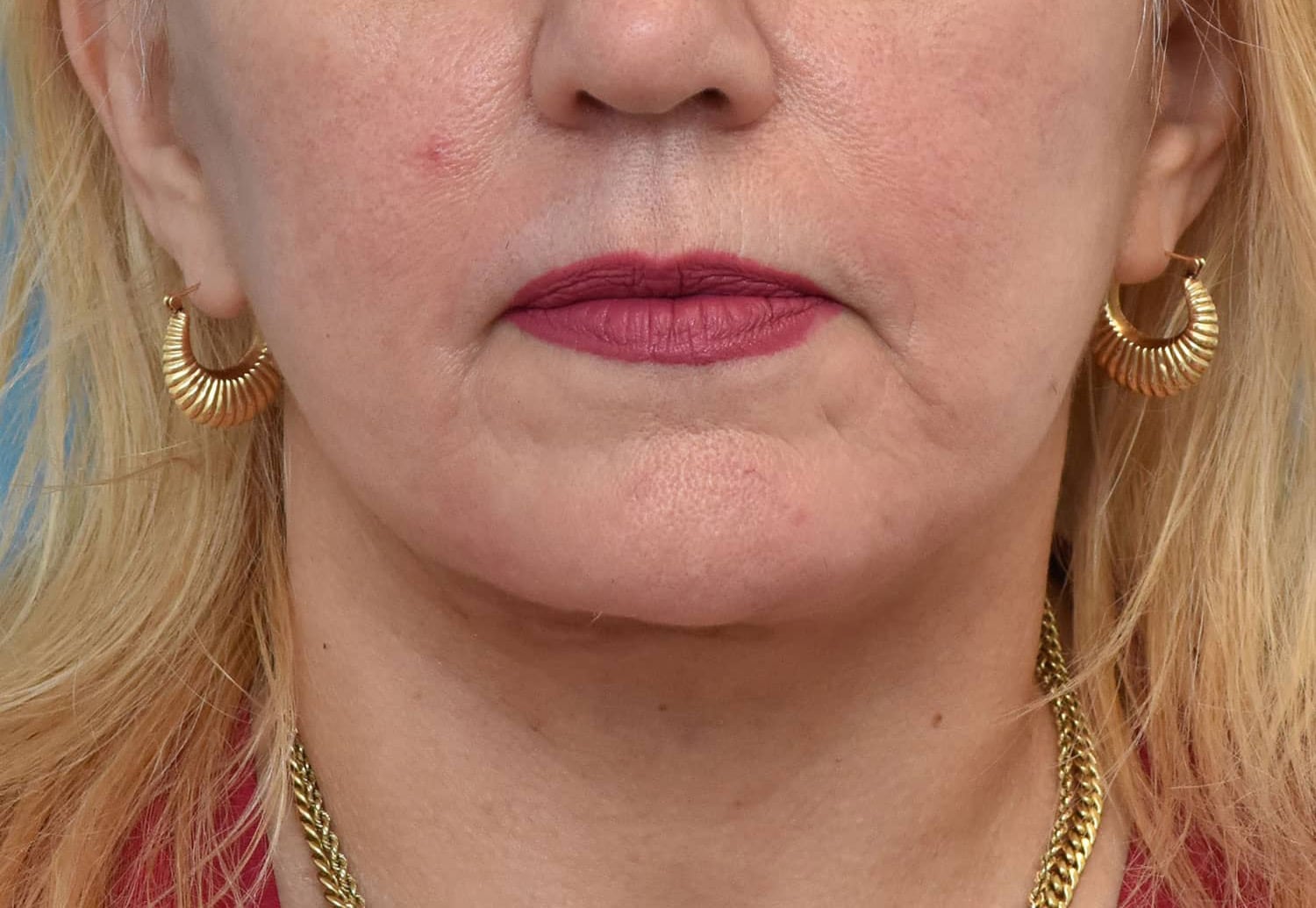
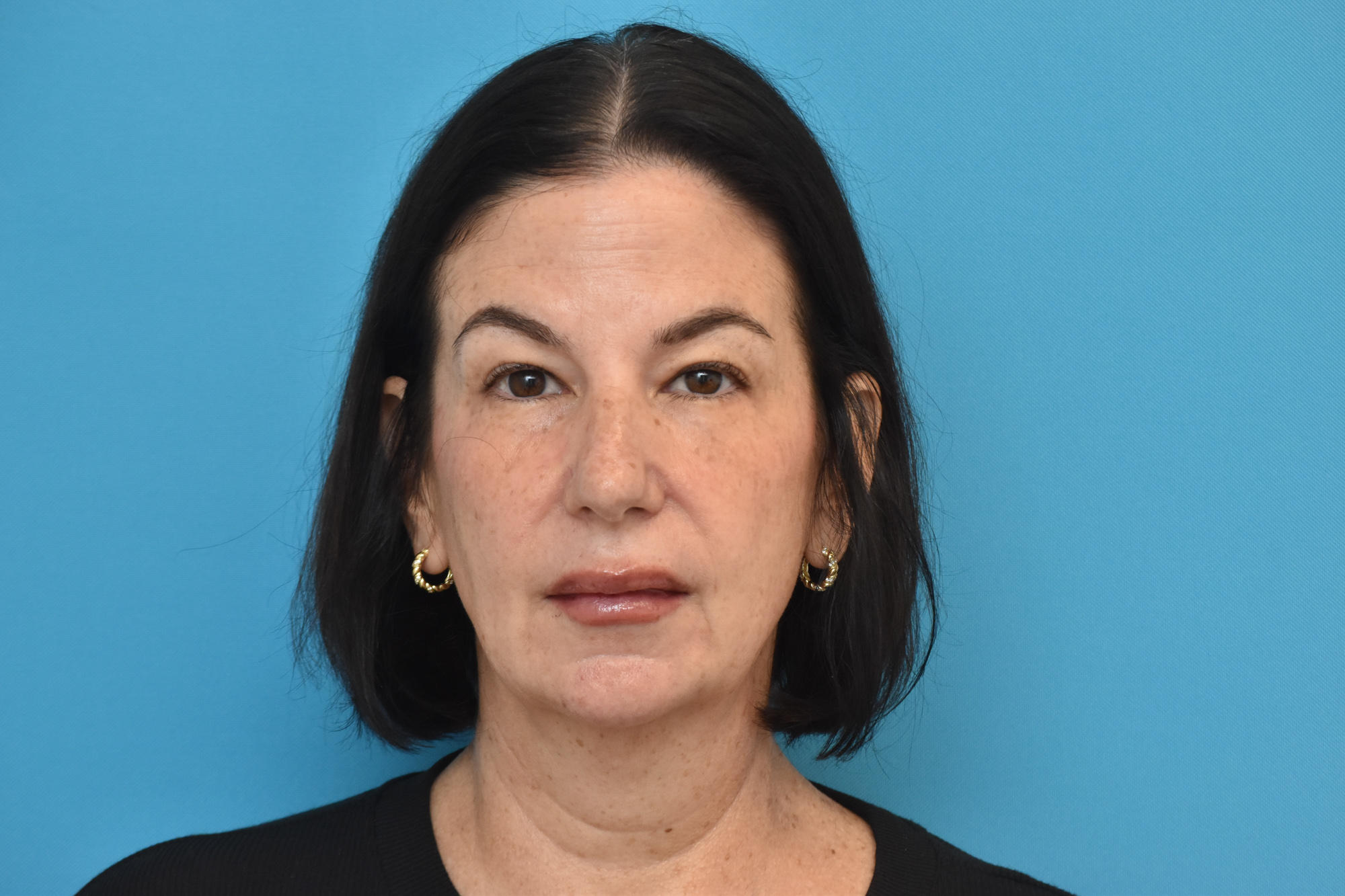
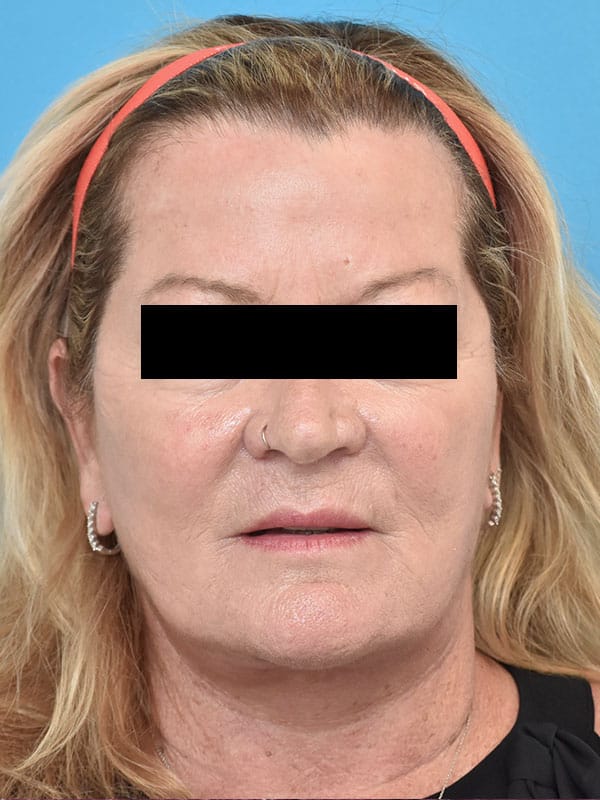
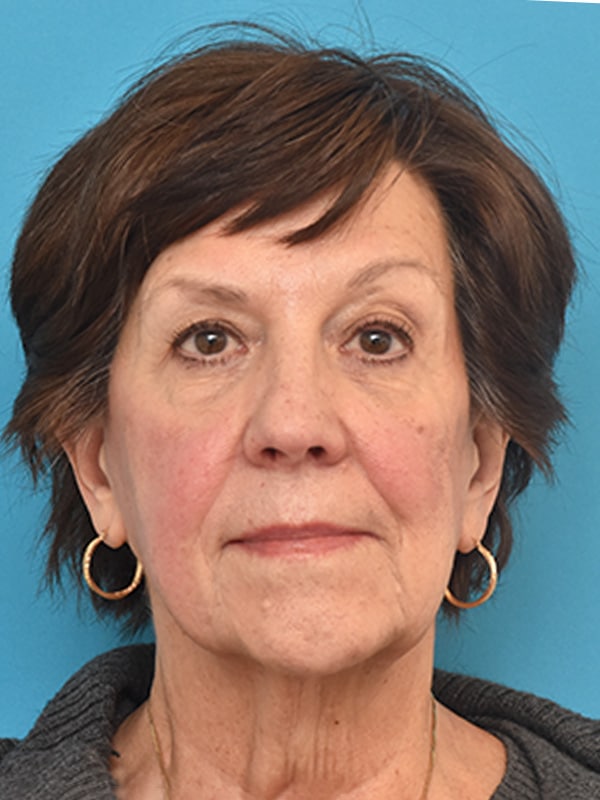
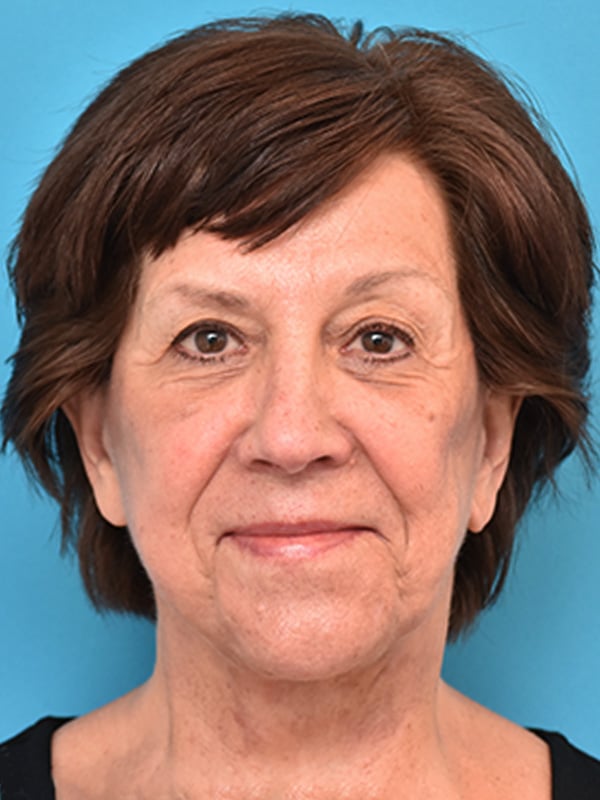
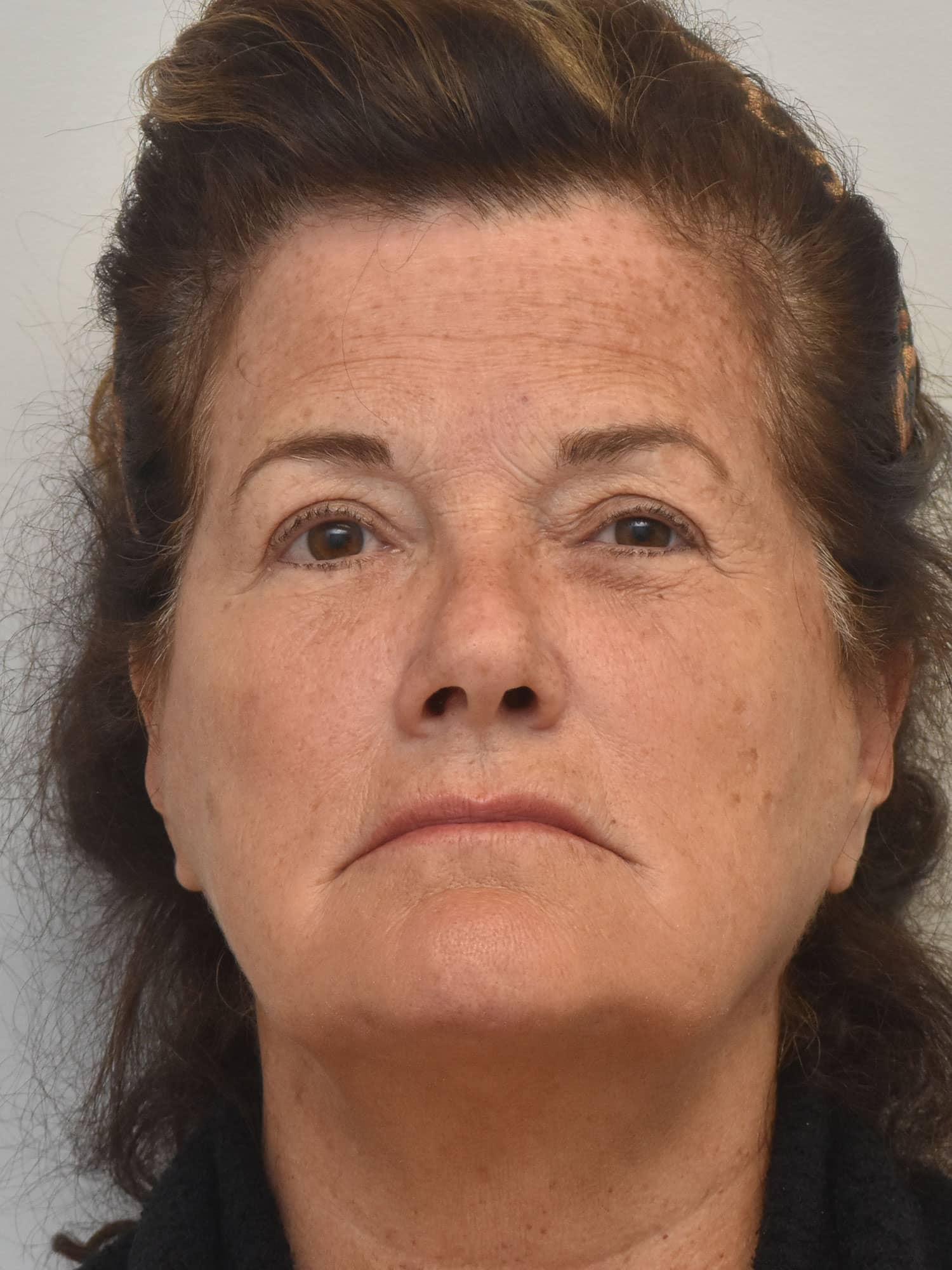
Real Patient Transformations
See how small refinements can create meaningful improvements.
Benefits of a Facelift
Defined Jawline
A facelift restores contour along the jawline by lifting tissue that has shifted downward. This reduces jowls and brings back cleaner definition between the face and the neck.
Tighter Neck
Neck laxity is one of the most common concerns patients notice. Facelift surgery tightens underlying structures, so the neck looks smoother and more supported.
Lifted Cheeks
Aging often causes cheek volume to descend. Repositioning deeper tissue restores a higher cheek contour and softens folds around the mouth.
Smoother Facial Lines
Lifting and repositioning facial structures can reduce the appearance of nasolabial folds and marionette lines that deepen with age.
Long-Lasting Improvement
Because facelift surgery addresses deeper facial support rather than surface skin alone, results typically last longer than non-surgical treatments.
Dr. Lozada’s Approach
Facial Balance First
Dr. Lozada studies how skin, fat, and muscle interact across the face and neck. That assessment guides his surgical approach, so your lift restores proportion instead of simply tightening loose skin.
A Surgeon Focused on the Face
Dr. Lozada is double board-certified in Facial Plastic Surgery and Head & Neck Surgery.
His work centers exclusively on facial procedures. That focus allows for precise adjustments that refine contours while preserving the expressions that make your face recognizable.
Facelift Surgery Steps
Anesthesia
1
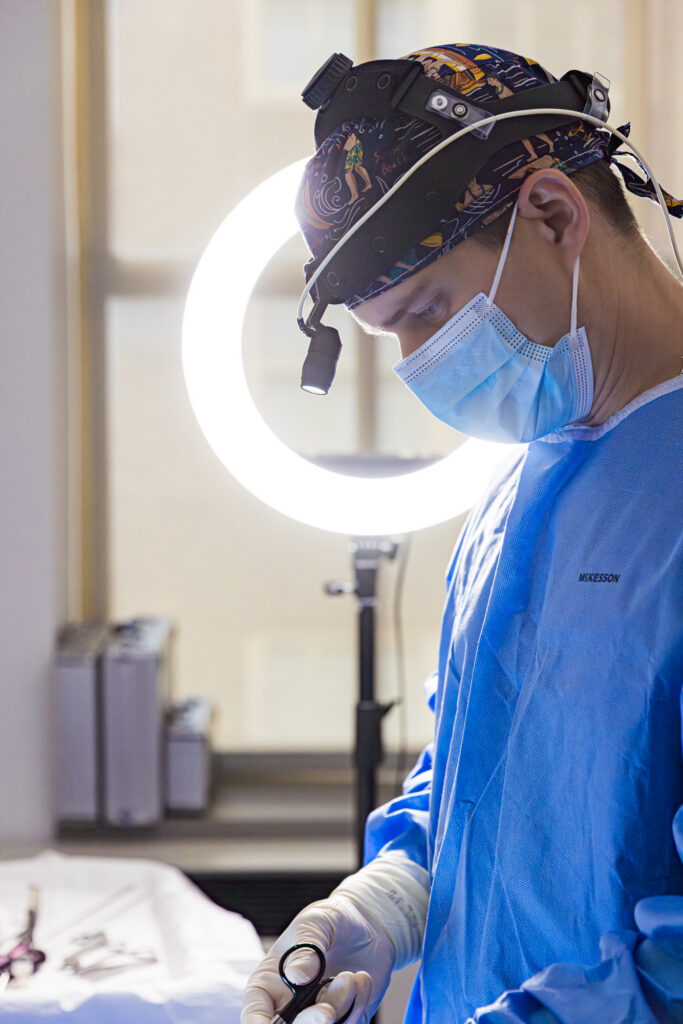
Dr. Lozada performs facelift surgery while you’re under general anesthesia or intravenous sedation. The best option depends on your health, surgical plan, and comfort.
Careful Incisions
2
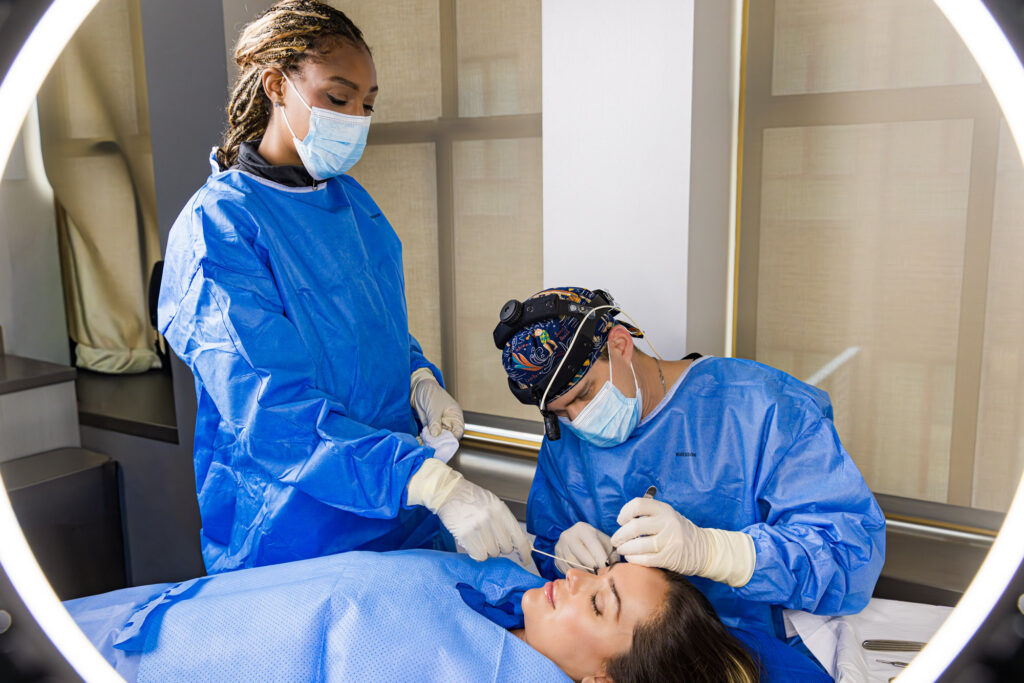
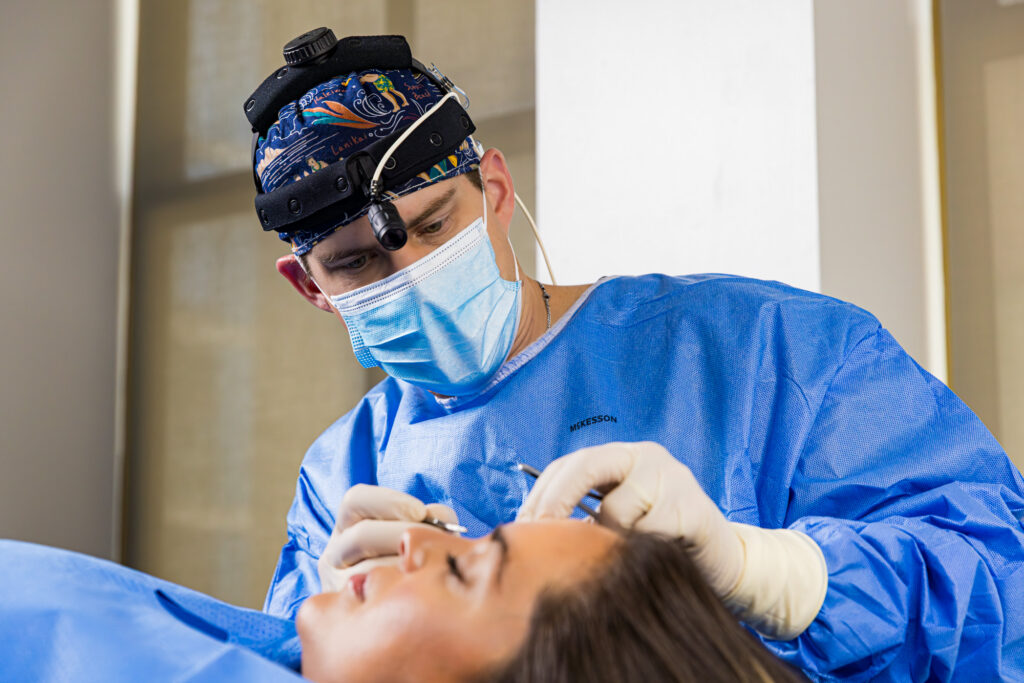
Your surgeon places incisions around the ears so they remain discreet once healed. Their location allows access to deeper facial structures while minimizing visible scarring.
Lifting Facial Support
3
Dr. Lozada lifts and repositions the Superficial Musculoaponeurotic System (SMAS) layer beneath the skin. This structural adjustment restores contour to the cheeks, jawline, and neck.
Closing the Incisions
4
We close incisions using sutures that dissolve naturally. We can also remove them during early follow-up visits. Careful closure supports smooth healing and natural contours.
This is when most swelling begins to improve. Many patients feel comfortable leaving the house and resuming light activities, though social downtime is still common during this phase.
Around 3 weeks after surgery, many patients feel ready to return to work and normal routines. Strenuous exercise should wait until Dr. Lozada confirms that healing is progressing well.
Subtle swelling can continue improving for several months. As tissues settle and scars fade, the final contours of the facelift gradually become more visible.

Related Treatments
Frequently Asked Questions
Dr. Lozada performs several facelift techniques depending on the patient’s anatomy and goals.
These may include a traditional SMAS facelift, deep plane facelift surgery, or a mini facelift done here in Philadelphia. Mini facelifts can be especially effective for patients with earlier signs of aging in the lower face and neck.
Achieving results after a facelift relies on lifting the SMAS layer without pulling the skin. In the past, facelift procedures were often done by tightening the skin alone, which created a pulled or windswept appearance.
Dr. Lozada focuses on lifting the deeper facial layers while leaving the overlying skin relaxed. This approach helps make Dr. Lozada’s facelifts in Philadelphia look rejuvenated and refreshed—not like you just had surgery.
Of course. Combining procedures such as blepharoplasty (eyelid surgery), brow lift surgery, fat grafting, or laser resurfacing can enhance overall facial rejuvenation.
Many patients who choose to visit us in Philadelphia for a facelift can also address other areas of the face during the same surgical plan. This allows everything to heal during a single recovery period.
The day after surgery, we’ll remove your dressings. Most patients notice an immediate improvement in their face and neck.
Swelling and bruising are normal after getting a facelift in Philadelphia at Lozada Facial Plastic Surgery. This usually peaks around 4 to 5 days after surgery before gradually improving over the next 1 to 2 weeks.
Several factors influence the longevity of facelift results, including surgical technique and individual aging patterns.
An effective facelift can often last 10 years or longer. While the aging process continues, surgery resets facial contours to a more youthful starting point.
Ready to Move Forward?
Whether you’re exploring surgical options or considering nonsurgical refinement, start with the path that feels right. Use our planning tool for direction or schedule a consultation to speak directly with our team.