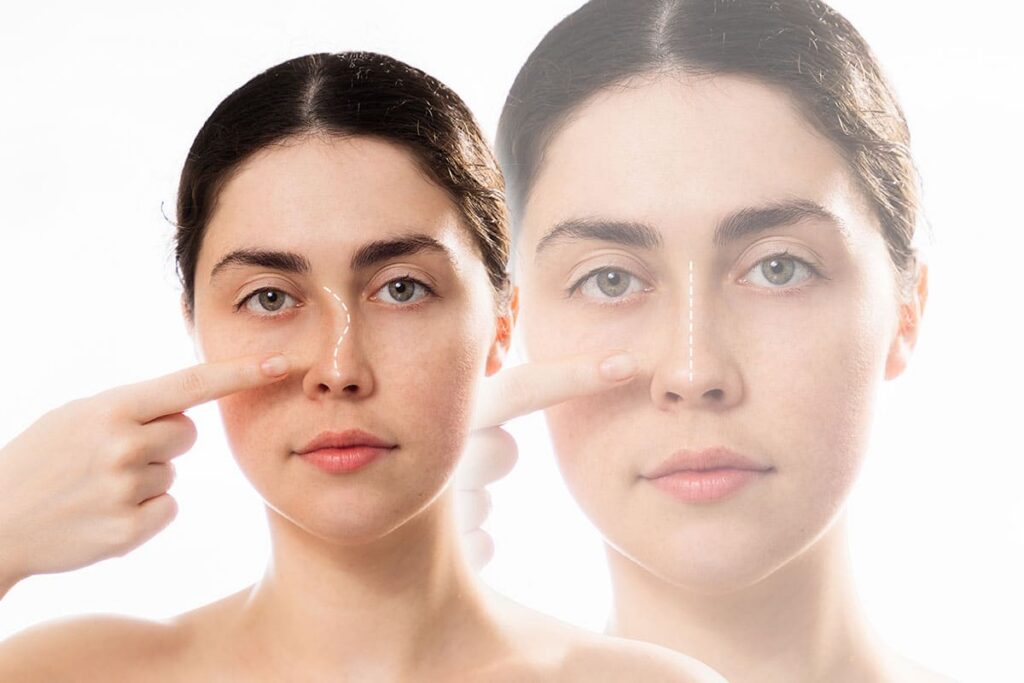
Always felt self-conscious about a crooked nose? Not only does a nose that deviates somewhat from the rest of your face influence your appearance, but also frequently your self-esteem and even your health. The complexity of a crooked nose, the treatments accessible, including rhinoplasty, as well as the post-operative recovery, are thoroughly explained in this article.
Fixing a Crooked Nose Made Simple
- A crooked nose can be caused by injury, genetics, or how your nasal structure develops over time.
- Rhinoplasty can straighten a crooked nose for cosmetic reasons or improve breathing if nasal passages are blocked.
- Septoplasty is often combined with rhinoplasty to fix a deviated septum and improve airflow.
- Non-surgical options like facial exercises or fillers may offer temporary improvement, but won’t correct the structure.
- A consultation with a qualified surgeon is key to understanding your options and setting realistic expectations.
What Does Having a Crooked Nose Mean?
A crooked nose isn’t always just about looks; it can also affect breathing. Some people are born with slight asymmetry, while others develop a crooked nose from injury or growth patterns.
For many, it’s a unique feature that adds character. But if it throws off facial balance or causes breathing issues, correction may be an option. In severe cases, surgery can improve both appearance and airflow.
Whether you embrace it or consider a fix, understanding a crooked nose helps you make the right choice for your confidence and comfort.
Do I Need to Fix My Crooked Nose?
If your crooked nose affects your breathing, causes facial asymmetries, or makes you feel self-conscious, you may consider treatment. Some people seek correction for functional reasons, like resolving breathing problems caused by nasal bones being misaligned, while others want to enhance facial symmetry for aesthetic reasons.
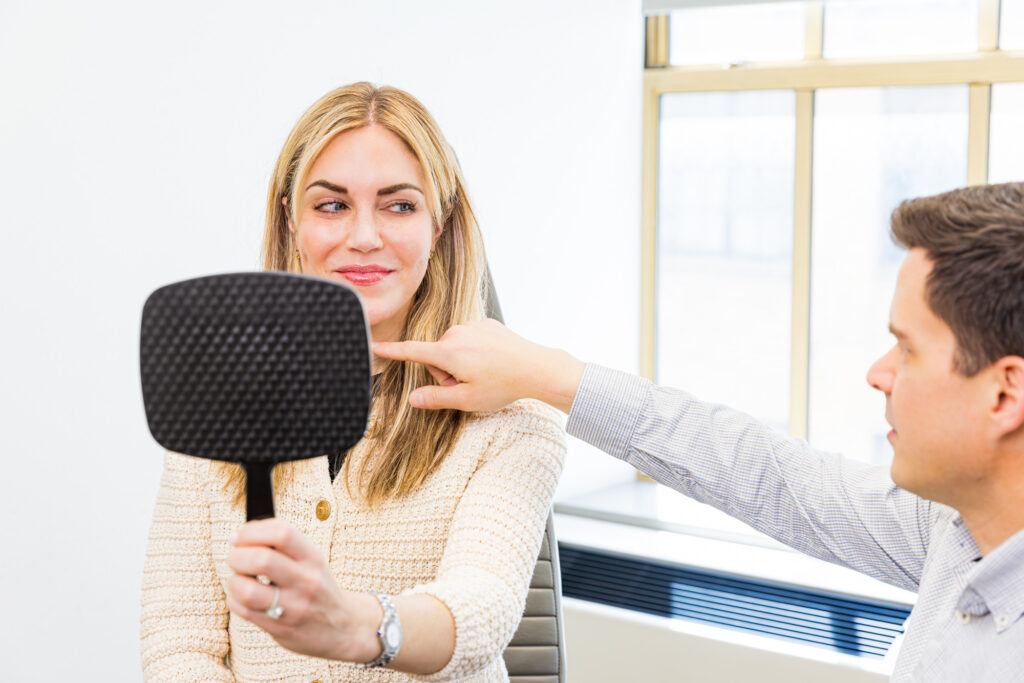
“Dr. Lozada understands that every patient has their own unique reasons for wanting to fix a crooked nose, whether for health, confidence, or purely personal preference. He is committed to providing a judgment-free, supportive environment where patients can openly discuss their goals without any pressure or shame.“
Common Reasons for a Crooked Nose
Many times, a crooked nose results from different causes. The most common causes are:
- Nasal Injuries: A broken nose from a fall, accident, or direct impact can shift the structure, making it appear crooked.
- Birth Conditions: Some people are born with nasal abnormalities that cause asymmetry from an early age.
- Developmental Changes: As the nose grows, slight shifts in cartilage or bone can lead to misalignment.
- Genetics: Facial structure and nasal shape can be inherited, leading to a naturally crooked appearance.
- Other Causes: Medical conditions, infections, or certain connective tissue disorders can contribute to nasal misalignment.
Surgical Options to Fix a Crooked Nose
Surgical treatments offer permanent solutions for straightening the nose. The right approach depends on whether the correction is purely cosmetic or also involves functional issues such as breathing difficulties.
Open and Closed Nose Job
If your crooked nose is purely a cosmetic concern, cosmetic rhinoplasty can reshape the nasal bones and cartilage to improve facial symmetry. There are two main types:
- Open rhinoplasty: This method involves an incision at the base of the nostrils, allowing the surgeon full access to reshape and refine the nose with precision. This is typically recommended for more severe cases of crookedness or when detailed reshaping is needed.
- Closed rhinoplasty: This technique is performed inside the nostrils, leaving no visible scars and leading to a faster recovery. It is often ideal for milder cases where extensive structural changes are not required.
Both types of rhinoplasty surgery can successfully provide a straight nose, enhancing balance across the entire face.
Septoplasty for Breathing and Alignment Issues
For individuals who experience breathing problems due to a deviated septum or other internal nasal obstructions, a functional rhinoplasty combined with septoplasty is often the best solution. This procedure not only improves nasal alignment but also enhances airflow, making breathing easier.
Situations where this may be necessary include:
- Chronic nasal congestion or difficulty breathing through one nostril
- Frequent sinus infections due to restricted airflow
- Snoring or sleep disturbances caused by nasal obstruction
- A visibly crooked nose due to internal structural issues
Unlike purely cosmetic rhinoplasty, septoplasty focuses on function first, though it can also improve the appearance of the nose by making it more symmetrical. For many patients, addressing both cosmetic and functional issues together leads to the best long-term results.esults.
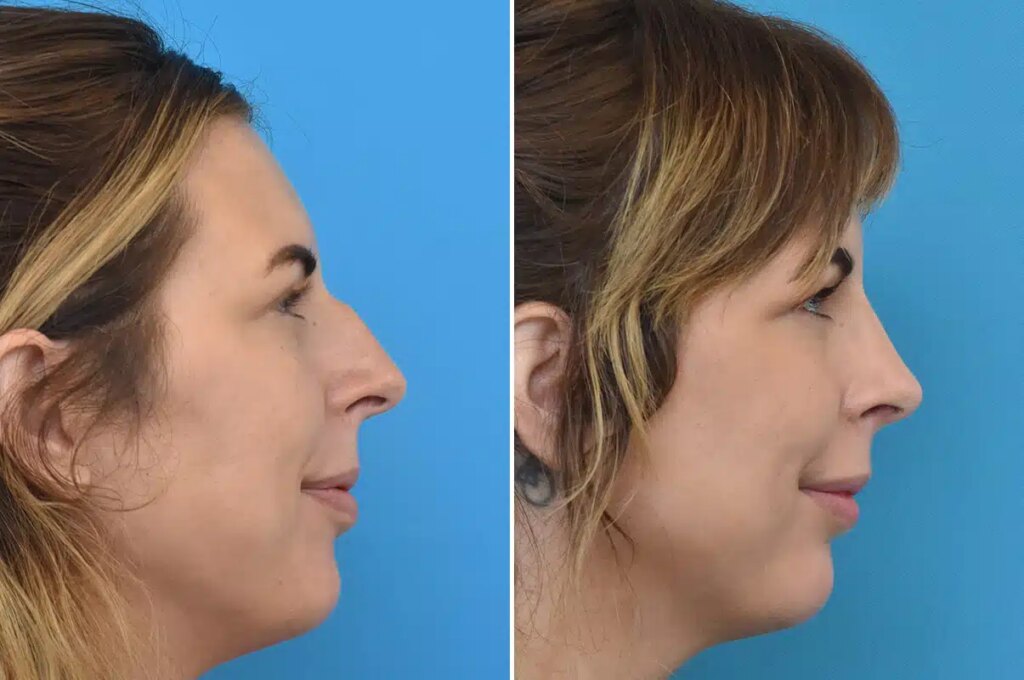
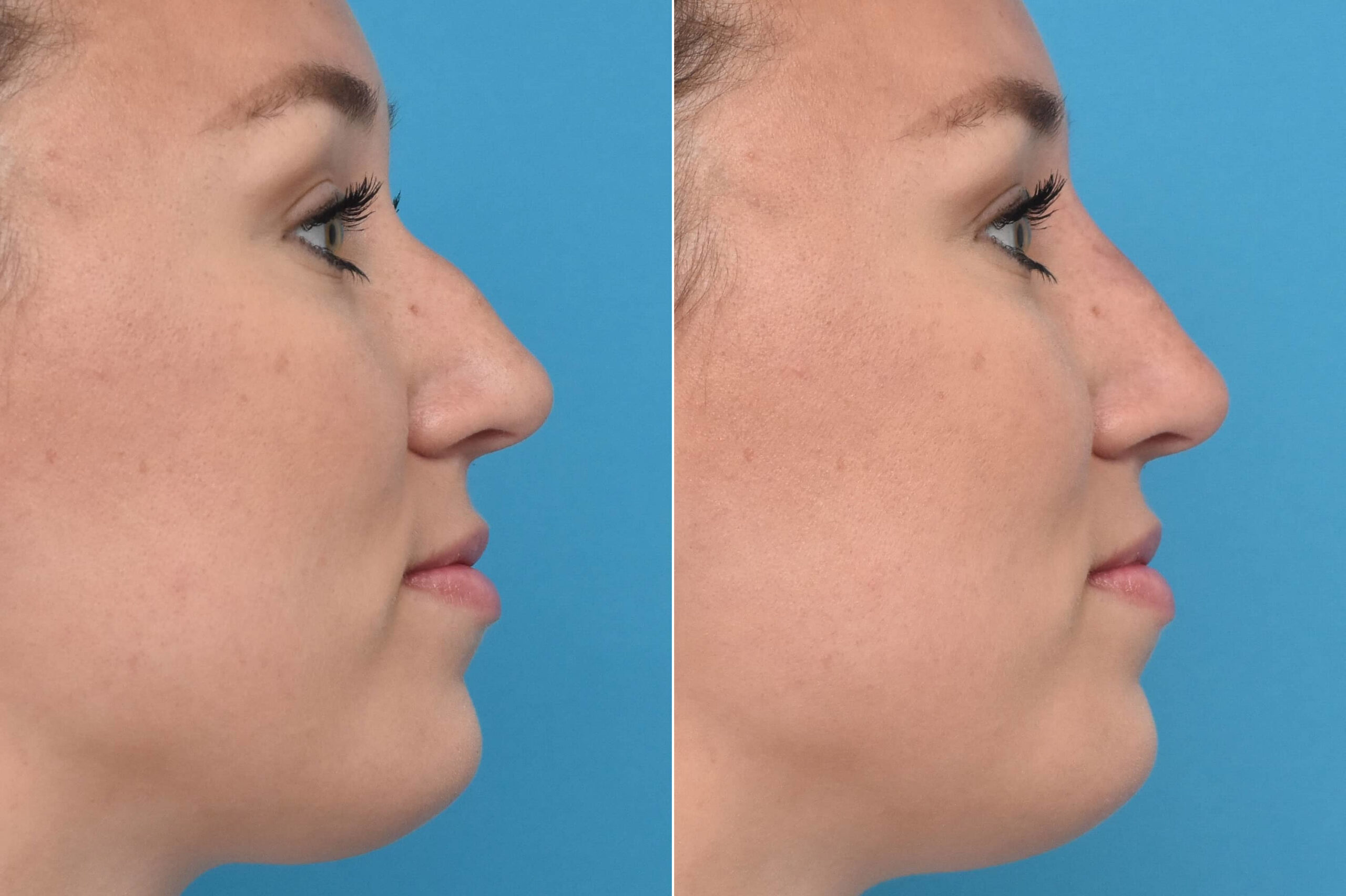
Before and After Rhinoplasty for Crooked Nose Photos
* All patients are unique and individual results may vary.
Non-Surgical Alternatives to Fix a Crooked Nose
If you’re not ready for plastic surgery, non-surgical treatment options may help improve facial symmetry temporarily.
Temporary Results with Dermal Fillers
A liquid rhinoplasty uses hyaluronic acid fillers to mask nasal asymmetry and create the appearance of a straighter nose. While this option does not actually correct the structure of the nasal bones, it can provide a non-invasive solution for mild cases of crookedness. Results typically last 6-12 months and require maintenance treatments.
Recovery After Rhinoplasty for a Crooked Nose
After nose surgery, swelling and bruising are common but improve within a few weeks. Full recovery takes about one year, though most patients see significant improvements within three months. Following your surgeon’s post-operative care instructions, such as avoiding strenuous activities and protecting your nose from impact, is crucial for the best results.

Philadelphia’s Premier Double Board Certified Facial Plastic Surgeon & Rhinoplasty Specialist.
Dr. Lozada is a facial sculpting expert who can help you achieve your desired aesthetic results.
Choosing a Surgeon for Rhinoplasty to Fix a Crooked Nose
Since the procedure often involves both cosmetic refinement and functional correction, you should choose a specialist who has focused training in nasal surgery.
When evaluating a surgeon, consider the following:
- Board certification in facial plastic or plastic surgery
- Experience performing rhinoplasty, especially for crooked or deviated noses
- Before-and-after results that demonstrate natural, balanced outcomes
- A consultation process that addresses both appearance and breathing concerns
- Clear communication about realistic results and limitations
Are there any limitations to fixing a crooked nose?
While rhinoplasty can greatly improve the appearance and function of your nose, some limitations exist. Severe crookedness or past nasal surgeries may make perfect symmetry difficult to achieve. Remember that healing varies by patient, and minor asymmetries may still be present post-surgery.
About Dr. Kirk Lozada
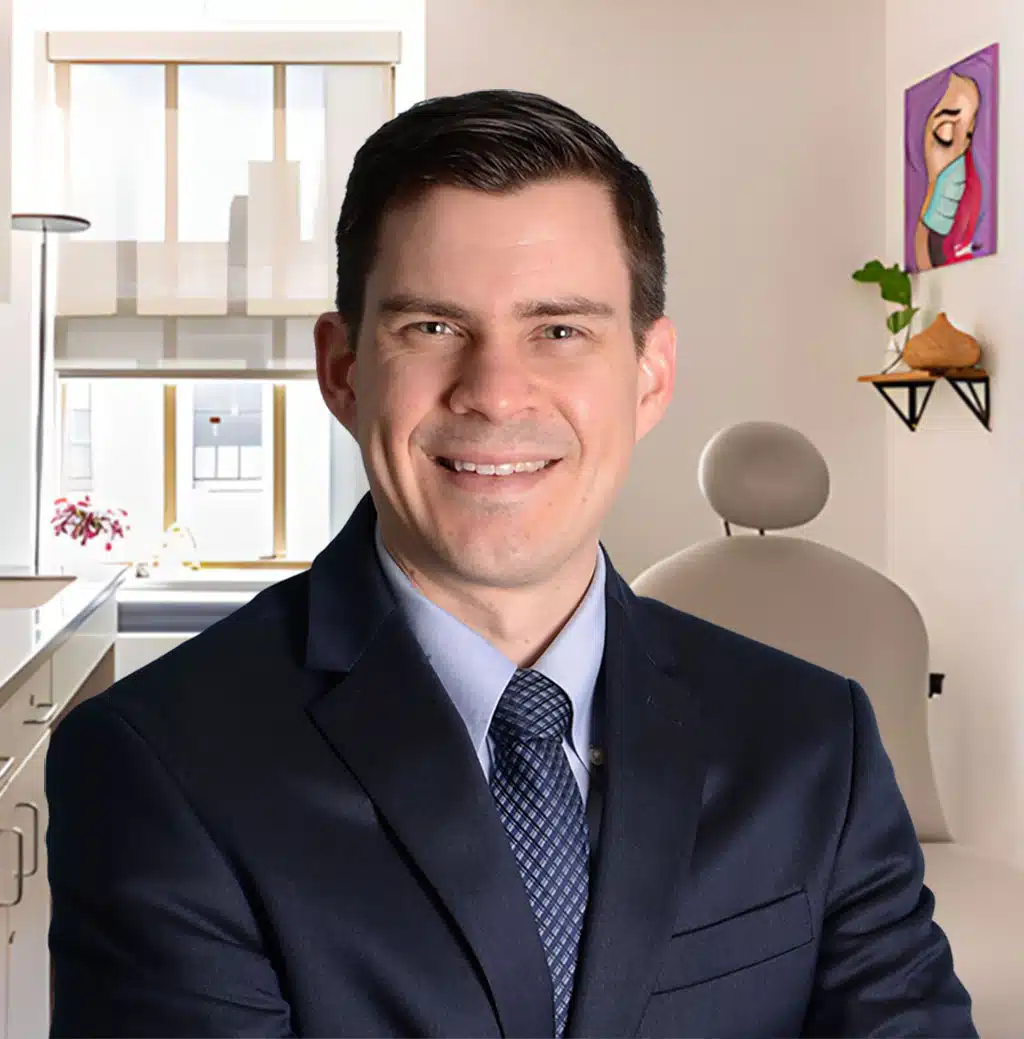
This article was medically reviewed and revised by Dr. Kirk Lozada, a double board-certified facial plastic surgeon at Lozada Facial Plastic Surgery in Philadelphia.
Credentials & Expertise:
- Double Board-Certified: Diplomate of the American Academy of Facial Plastic and Reconstructive Surgery and the American Board of Otolaryngology – Head and Neck Surgery.
- Active Memberships: Member of the American Academy of Facial Plastic & Reconstructive Surgery (AAFPRS).
- Rhinoplasty Expert: Specializes in cosmetic and functional nasal surgery, including scarless (endonasal) rhinoplasty and complex revision cases.
- Academic Leadership: Serves as the assistant editor of Rhinoplasty Archive and Rejuvenation Resource, and is an active faculty member training future surgeons for a facial plastic surgery fellowship program.
Education & Training
- Bachelor’s degree in Biology from the University of Pennsylvania
- Medical degree from Thomas Jefferson University
- Residency in Otolaryngology at the New York Eye & Ear Infirmary of Mount Sinai
- Fellowship training in Facial Plastic & Reconstructive Surgery at the University of Pennsylvania
Approach to Patient Care:
Dr. Kirk is known for creating balanced, natural-looking results that maintain authentic expression. He avoids “one-size-fits-all” approaches, designing highly personalized treatment plans for each patient’s unique anatomy and goals.
Frequently Asked Questions About Rhinoplasty for Crooked Nose
Deciding if Rhinoplasty is Right for Your Crooked Nose
If your crooked nose makes you feel self-conscious or causes breathing issues, you might be wondering if rhinoplasty is the right solution. The good news? You have options!
Surgery is a great way to permanently straighten and refine your nose, but if you’re not ready for that step, non-surgical treatments like fillers can offer a temporary fix. Either way, you don’t have to make this decision alone.
Dr. Lozada is here to guide you through the process. Whether you’re looking for a long-term solution with rhinoplasty or just want to test the waters with a non-surgical approach, he’ll help you find the best option for your goals. Book a consultation today and take the first step toward a nose that looks and feels better!