Hooded eyes are one of the more commonly misunderstood concerns that patients bring to Lozada Facial Plastic Surgery. Hooding happens when skin, or the tissue beneath it, drapes over the eyelid’s natural crease.
Some people are born with naturally hooded eyelids. Hooding can also develop gradually as skin loses elasticity and tissue around the eyes shifts with age, adding to the sense of heaviness.
You probably noticed it before you had a name for it. For example, eyeliner disappearing into the fold, photos where you may appear more tired than you feel, or even a friend asking if you slept enough. But knowing why hooding happens is only half the picture. The other half is figuring out where it’s actually coming from—your eyelid, your brow, or both.

Your Brow Can Play a Bigger Role Than Your Eyelid
A brow that’s gradually dropped over time can pull skin down over the eyelid, creating hooding, even when the eyelid itself
changed. Forehead skin relaxes over time, shifting brow height accordingly.
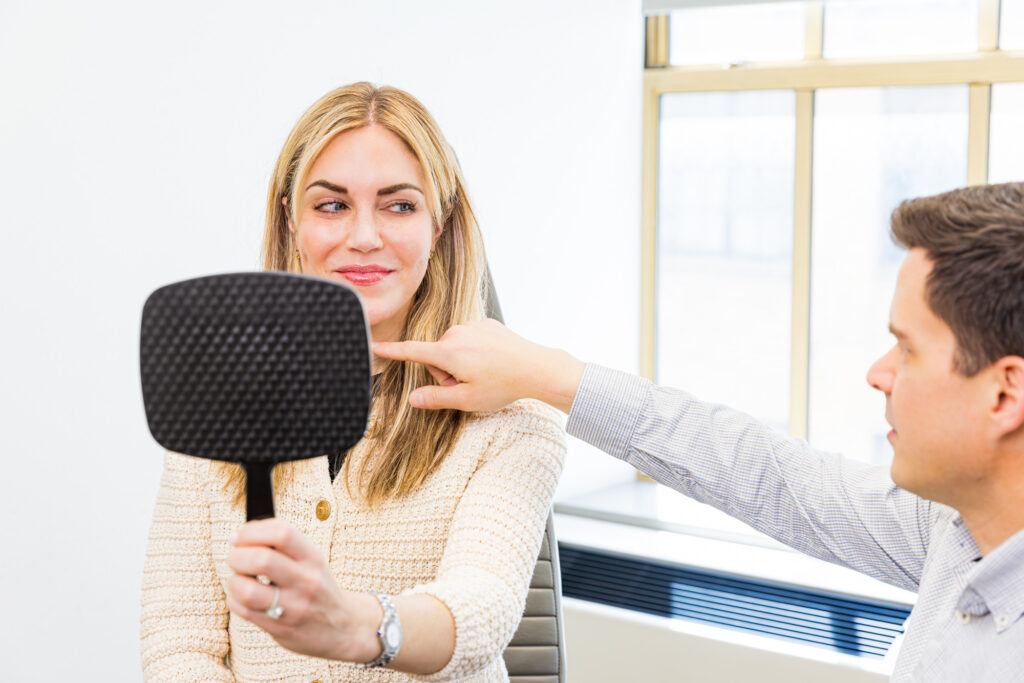
Try this in the mirror: gently lift your brow with 2 fingers. If the hooding eases, your brow may be playing a bigger role than your eyelid.
That connection matters when it comes to treatment. Eyelid surgery addresses the eyelid and won’t lift a brow that has dropped. When the brow is the real cause, a brow lift addresses it directly.
Can Hooded Eyes Be Fixed Without Surgery?
To a point, yes. Makeup and skincare can change how hooded eyes look, and Botox can lift the outer brow slightly, usually about 1 to 2 millimeters, focused on the outer edge. Fillers can also camouflage some of the earliest changes. However, none of these options actually remove excess skin.
So, if your hooding is being caused by extra skin or a brow that has structurally dropped, the above options help less. That’s when surgery becomes worth a conversation.
When Eyelid Surgery Makes Sense
Upper eyelid surgery—known clinically as blepharoplasty—removes that skin and restores the natural crease underneath it.
For some patients, hooded eyes affect more than appearance. When excess skin blocks part of the visual field, removing it restores clearer sight and eases eyestrain. The American Academy of Facial Plastic and Reconstructive Surgery confirms that upper eyelid surgery addresses this excess skin, whether the concern is hooding or vision.
Finding the Right Answer for You
The most reliable way to know whether hooded eyes call for eyelid surgery, a brow lift, or both is an evaluation of how your brow and eyelids work together.
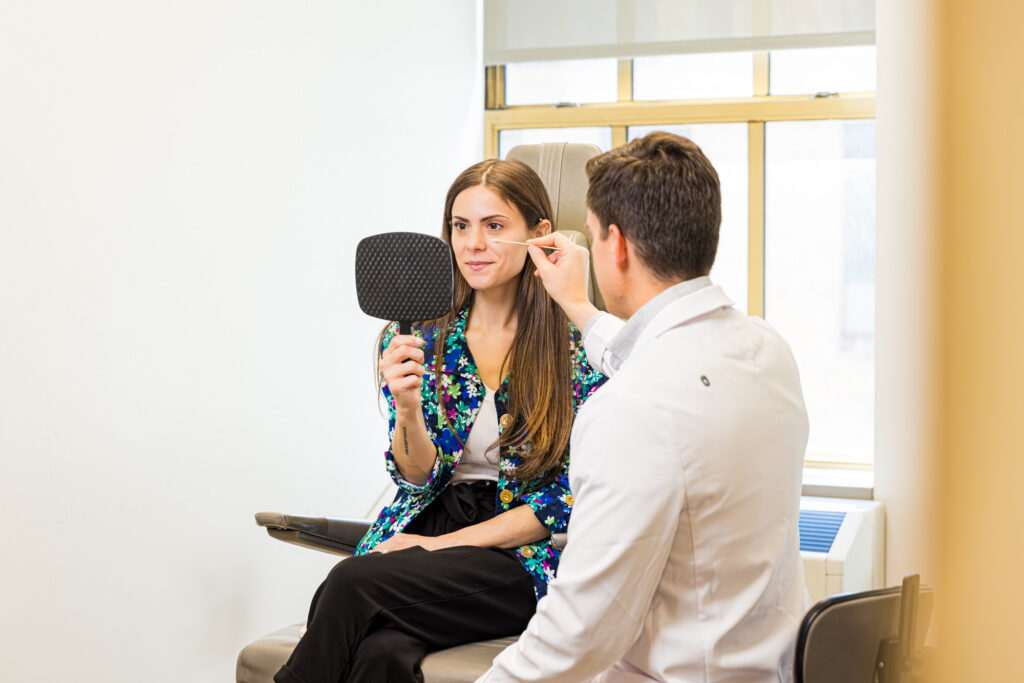
During a consultation, Dr. Lozada evaluates your eyelid anatomy, skin elasticity, facial balance, and how your brow and lid work together. He is double board-certified in Facial Plastic Surgery and Otolaryngology–Head and Neck Surgery, with a practice focused on facial procedures.
Frequently Asked Questions About Hooded Eyes
Here’s what else patients want to know before making a decision.
Do genetics cause hooded eyes?
They can. Some people are born with a naturally hidden eyelid crease, but most hooding develops gradually with age. It’s a question we hear often from patients with hooded eyes who come to our office in Philadelphia.
What’s the difference between hooded eyes and droopy eyelids?
Hooded eyes usually involve skin or brow tissue over the crease, while eyelid drooping (ptosis) involves the muscle that lifts the lid. If you have hooded eyes, an evaluation at Lozada Facial Plastic Surgery in Philadelphia is the only way to tell the two apart.
Can you have both a heavy brow and excess eyelid skin?
Yes, and it’s common. Many patients with hooded eyes that come to us in Philadelphia have both, which is why we evaluate your entire face before recommending treatment.
Talk It Through With Dr. Lozada
You started this article looking in the mirror, wondering what you were seeing. Now you know the real questions to ask. Book a consultation with Dr. Lozada for an honest assessment, a clear plan when treatment makes sense, and time to consider your options at your own pace.
Book an Appointment